
What Is Chemotherapy?
Chemotherapy is the treatment of cancer with medicines that stop cancer cells from growing and multiplying. Depending on the type and stage of cancer, it is used on its own or together with surgery and radiotherapy.
Autor: Root Health TürkiyeZveřejněno Aktualizováno Doba čtení: 3 min
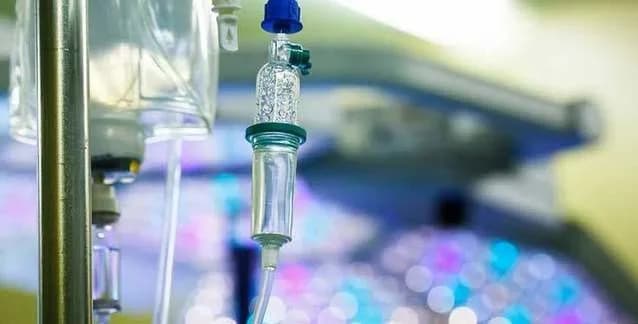
Chemotherapy is the treatment of cancer with medicines. The drugs used in chemotherapy stop cancer cells from growing and multiplying, damaging them in the process. Depending on the type and stage of the cancer, chemotherapy is given on its own or alongside other treatments such as surgery and radiotherapy.
How does chemotherapy work?
Chemotherapy drugs damage fast-dividing cancer cells by preventing them from growing and multiplying. Classic chemotherapy drugs can be used on their own, but some work better in combination. That's why a course of chemotherapy may include more than one drug.
When is chemotherapy used?
Depending on the type and stage of the cancer, chemotherapy may be given to:
- Treat the disease
- Stop a tumour from spreading and slow its growth
- Destroy cancer cells that have spread from the original organ to other parts of the body
- Relieve some of the symptoms of cancer
In some cases chemotherapy is the only treatment option. Depending on the stage, it may also be given before, after or at the same time as other treatments such as surgery and radiotherapy.
Chemotherapy with surgery and radiotherapy
For example, chemotherapy may be used before an operation to shrink a tumour, or afterwards to stop any cancer cells that might remain from multiplying and spreading. The same applies to radiotherapy: chemotherapy can be given before it, after it or at the same time.
Support from the immune system: immunotherapy
The human body has many cells that fight cancer, but it's known that they can only be activated up to a point. Immunotherapies, which have been in the news a lot in recent years, make use of a person's own immune cells for this purpose, so that the body's own immune system and defence mechanisms are harnessed to fight the cancer.
Supplements during treatment
Anyone having chemotherapy who is thinking about taking a food supplement, vitamins or herbal products should always talk to their oncologist first. Some products can interact with cancer medicines.
From Dr Christina Rahm's story
Dr Christina Rahm, who was involved in developing ROOT's products, is said to have been facing cancer herself while she was working on them. She often speaks about how important it is to hold on to hope and a love of life through difficult times. You can read how ROOT began in The Root Brands story, and see the full range on our ROOT products page.
This article is for general information only and is not medical advice. Food supplements are not medicines, are not intended to diagnose, treat, cure or prevent any disease and are no substitute for cancer treatment.