N-Acetyl-L-Tyrosine After Injury: Neurotransmitter Basics and Clear Boundaries
After a traumatic brain injury, people can experience difficulties with attention, memory and mental stamina. This article explains tyrosine's role in neurotransmitter synthesis and why N-acetyl-L-tyrosine is not a treatment in this context. Any supplement after an injury should only be considered under medical supervision.
Par Root Health TürkiyePublié le Mis à jour le 4 min de lecture

After a traumatic brain injury, people can experience difficulties with attention, memory and mental stamina. This article explains tyrosine's role in neurotransmitter synthesis and why N-acetyl-L-tyrosine is not a treatment in this context. Any supplement after an injury should only be considered under medical supervision.
Neurotransmitter Support During Cognitive Recovery
Traumatic brain injury (TBI) disrupts brain chemistry, neural signaling, and cognitive processing. Even mild brain injuries can impair attention, memory, and mental stamina, while moderate to severe injuries often require prolonged rehabilitation.
As research into nutritional neuroscience expands, increasing attention has been given to amino acids and nutrients that support neurotransmitter balance during recovery. One such compound is N‑Acetyl‑L‑Tyrosine (NALT), a precursor to dopamine and norepinephrine—neurotransmitters frequently affected following brain injury
Neurochemical Disruption After TBI
Following traumatic brain injury, the brain experiences:
- Altered neurotransmitter release
- Impaired catecholamine signaling
- Increased metabolic demand
Dopamine depletion and disrupted norepinephrine signaling are common contributors to post‑injury cognitive fatigue, reduced focus, and slowed processing speed.
These changes do not necessarily indicate permanent damage but rather reflect an impaired capacity to maintain neurotransmitter balance during healing.
Tyrosine’s Role in Neurotransmitter Recovery
Tyrosine is the biochemical precursor for catecholamine synthesis. Under normal conditions, the brain regulates dopamine and norepinephrine production efficiently. After injury, however, metabolic stress increases sharply, and precursor availability may become a limiting factor.
Clinical and experimental research demonstrates that restoring amino acid balance—particularly precursors like tyrosine—may support cognitive performance and mental clarity during rehabilitation phases.
N‑Acetyl‑L‑Tyrosine in a Recovery Context
N‑Acetyl‑L‑Tyrosine offers practical advantages in supplementation due to its solubility and formulation stability. Importantly:
- NALT does not act as a stimulant
- It does not force neurotransmitter release
- It supports neurotransmitter production capacity
For individuals recovering from TBI, this distinction is critical. Overstimulation may worsen symptoms such as headaches, irritability, or sleep disruption.
Evidence from Amino Acid Research in TBI
While direct TBI research on NALT is limited, broader amino acid studies demonstrate improved cognitive outcomes when neurotransmitter precursors are adequately maintained. Studies involving branched-chain amino acids and tyrosine levels have reported cognitive recovery scores and functional outcomes; they do not show that supplements treat brain injury.
These findings support the biological plausibility of tyrosine‑based support as part of adjunctive nutritional strategies.
Clear Boundaries and Safety
N‑Acetyl‑L‑Tyrosine is not a treatment for traumatic brain injury and should not be used independently of medical supervision in post‑injury contexts. Instead, it may be considered:
- As nutritional support
- Under healthcare guidance
- As part of a broader rehabilitation plan
Zero‑In and Cognitive Support Post‑Injury
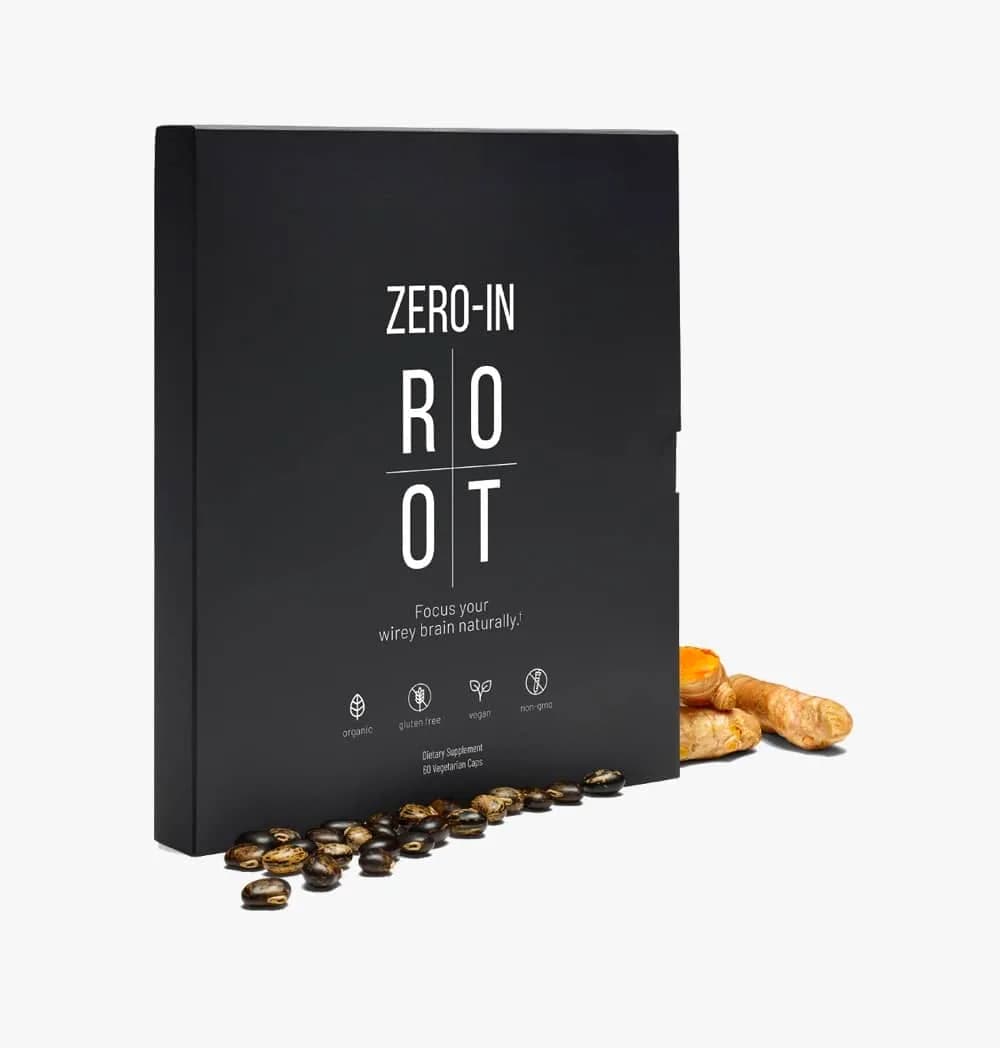
Zero‑In® contains N‑Acetyl‑L‑Tyrosine in a non‑stimulant formulation designed to support mental clarity and focus. In recovery scenarios, its relevance is limited to neurotransmitter foundations; it does not accelerate or bypass healing.
Zero‑In by ROOT Brands
Zero-In is a formula developed by Dr. Christina Rahm that contains N-acetyl-L-tyrosine, L-theanine and other ingredients; see the product page for label details.
Formulated with purposefully selected ingredients like N‑Acetyl L‑Tyrosine, Mucuna pruriens, L‑theanine, and precise caffeine dosing, Zero‑In was developed to work with human biology—not override it.
If you’re looking for a top‑quality, research‑driven supplement grounded in real neuroscience, Zero‑In stands apart.
Get Zero‑In Performance without compromise .
Traumatic brain injury disrupts neurotransmitter balance and increases cognitive demand during recovery. N‑Acetyl‑L‑Tyrosine provides foundational support for dopamine and norepinephrine synthesis—key players in attention, cognition, and mental endurance. It is not a treatment; it is a nutrient that has been studied in relation to cognitive resilience, and it should only be used responsibly and with medical advice after an injury.
References (APA 7th Edition)
Aquilani, R., Iadarola, P., Contardi, A., Boselli, M., Verri, M., Pastoris, O., Boschi, F., Arcidiaco, P., & Viglio, S. (2005). Branched-chain amino acids and the cognitive recovery of patients with severe traumatic brain injury. Archives of Physical Medicine and Rehabilitation, 86(9), 1729–1735. https://doi.org/10.1016/j.apmr.2005.03.022
Conti, F., McCue, J. J., DiTuro, P., Galpin, A. J., & Wood, T. R. (2024). Mitigating Traumatic Brain Injury: A Narrative Review of Supplementation and Dietary Protocols. Nutrients, 16(15), 2430. https://doi.org/10.3390/nu16152430
Fernstrom, J. D., & Fernstrom, M. H. (2007). Tyrosine, phenylalanine, and catecholamine synthesis and function in the brain. The Journal of Nutrition, 137(6 Suppl 1), 1539S–1547S. https://doi.org/10.1093/jn/137.6.1539S
Jackson, E. F., Riley, T. B., & Overton, P. G. (2025). Serotonin dysfunction in ADHD. Journal of neurodevelopmental disorders, 17(1), 20. https://doi.org/10.1186/s11689-025-09610-y
Marriott, B. M. (Ed.). (1994). Food components to enhance performance: An evaluation of potential performance-enhancing food components for operational rations (Chapter 15, “Tyrosine and stress: Human and animal studies”). National Academies Press. https://www.ncbi.nlm.nih.gov/books/NBK209061/
Lieberman, H. R. (2000). Tyrosine and stress. The American Journal of Clinical Nutrition, 72(2 Suppl), 221S–223S. https://doi.org/10.1093/ajcn/72.2.221S