Colostrum and Gut Health: What Does Research Show in the Context of IBD?
Inflammatory bowel disease (IBD) is a chronic condition managed under medical supervision. The possible relationship between colostrum, the gut barrier and inflammatory signaling is being studied, but evidence is limited and early. This article summarizes current research and safety considerations; colostrum does not replace medical treatment, and people with IBD should talk to their doctor before using it.
Szerző: Root Health TürkiyeMegjelent Frissítve Olvasási idő: 6 perc

Inflammatory bowel disease (IBD) is a chronic condition managed under medical supervision. The possible relationship between colostrum, the gut barrier and inflammatory signaling is being studied, but evidence is limited and early. This article summarizes current research and safety considerations; colostrum does not replace medical treatment, and people with IBD should talk to their doctor before using it.
Inflammatory bowel disease (IBD) is a chronic condition characterized by inflammation of the digestive tract. The two main forms are Crohn’s disease and ulcerative colitis. These conditions can significantly affect quality of life, causing abdominal pain, diarrhea, fatigue, malnutrition, weight loss, and intestinal damage.
Researchers believe IBD develops through a combination of genetic susceptibility, immune dysfunction, environmental triggers, microbiome imbalance, and intestinal barrier disruption. Conventional treatments often include anti-inflammatory medications, biologics, corticosteroids, and dietary management.
Interest in colostrum has grown because researchers are studying its possible relationship with gut barrier integrity and inflammatory signaling. Bovine colostrum contains antibodies, growth factors, lactoferrin, and bioactive peptides that may help support gastrointestinal health.
The Role of the Gut Barrier in IBD
The intestinal lining serves as a protective barrier that regulates what enters the bloodstream. In IBD, inflammation can damage this barrier, increasing intestinal permeability and allowing bacteria and toxins to trigger further immune activation.
Colostrum contains growth factors such as IGF-1 and TGF-β that may help repair intestinal tissues. These growth factors support cell growth, regeneration, and tissue recovery.
Research has shown that bovine colostrum may help preserve tight junction integrity in the gut lining. Tight junctions are proteins that keep intestinal cells closely connected. When they become damaged, intestinal permeability may increase.
Supporting the intestinal barrier is considered an important aspect of managing inflammatory bowel conditions.
Anti-Inflammatory Properties
IBD is driven by excessive inflammatory signaling in the digestive tract. Cytokines such as TNF-alpha, IL-6, and IL-1β contribute to tissue damage and chronic inflammation.
Colostrum contains bioactive compounds that may influence inflammatory pathways. Lactoferrin, in particular, has demonstrated anti-inflammatory effects in laboratory and animal studies.
Some researchers are studying whether colostrum-derived peptides play a role in immune activity and inflammatory responses in the gut; findings are early. Although more clinical trials are needed, these findings have contributed to interest in colostrum as a complementary nutritional strategy.
Microbiome Support
The gut microbiome plays a central role in digestive and immune health. Individuals with IBD often have altered gut bacteria, reduced microbial diversity, and increased inflammatory organisms.
Colostrum contains oligosaccharides and antimicrobial compounds that may help support a healthier intestinal environment. Lactoferrin may inhibit harmful bacteria while encouraging beneficial species.
Researchers are studying how a more diverse microbiome relates to inflammation, digestion and immune regulation. Researchers continue studying how colostrum may influence microbiome composition in gastrointestinal disorders.
Colostrum and Diarrhea
Chronic diarrhea is one of the most common symptoms of IBD. Some studies involving infectious diarrhea and intestinal disorders have looked at colostrum in relation to intestinal recovery and diarrhea severity; results are limited.
Immunoglobulins in colostrum may bind pathogens and toxins in the digestive tract. Growth factors may also help restore intestinal tissues affected by inflammation.
Colostrum is not a replacement for medical therapy; people with IBD should discuss any supplement with their doctor.
Nutritional Support in IBD
Malnutrition and nutrient deficiencies are common in IBD because inflammation can impair nutrient absorption. Protein loss, anemia, vitamin deficiencies, and weight loss may occur.
Colostrum provides protein, amino acids, vitamins, and minerals that may help support recovery and nutritional status. Maintaining adequate nutrition is essential for tissue repair, immune function, and overall health.
Exercise, Recovery, and Gut Stress
Research involving athletes has shown that intense physical stress can increase intestinal permeability. Bovine colostrum supplementation has been studied for its ability to reduce exercise-induced gut permeability.
Although athletes differ from IBD patients, these findings are part of the discussion on colostrum and the intestinal barrier during physiological stress.
Safety Considerations
Most studies suggest bovine colostrum is generally well tolerated. Mild digestive discomfort may occur during initial use.
People with dairy allergies should avoid colostrum unless advised otherwise by a healthcare professional. Individuals with IBD should also consult their physician before beginning supplementation, especially during disease flares or medication changes.
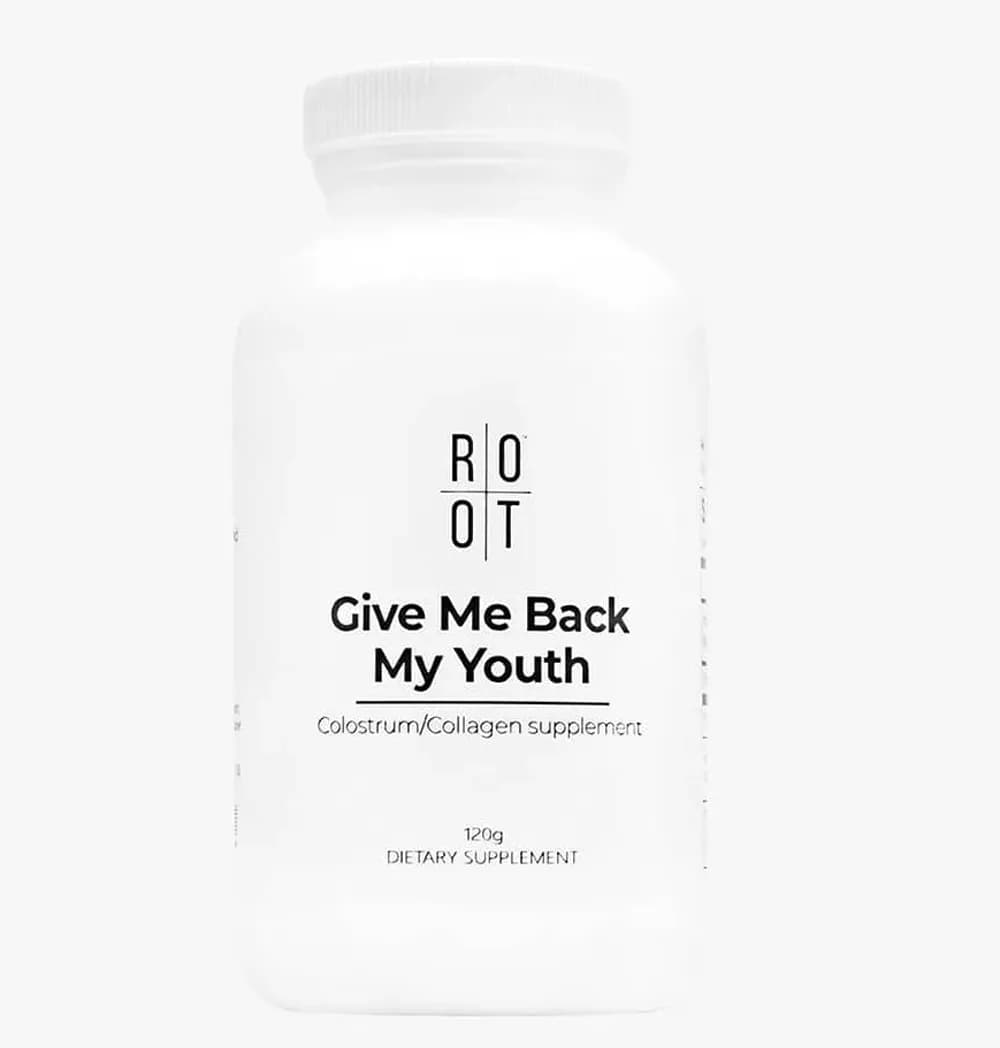
Give Me Back My Youth
Over time, stress and inflammation can influence this natural rhythm.
This is more than a product—it is a return to balance.
Start your journey with Give Me Back My Youth today.
Your cells remember what wellness feels like.
Inflammatory bowel disease is a complex condition involving chronic inflammation, immune dysregulation, microbiome imbalance, and intestinal barrier dysfunction. Colostrum contains several bioactive compounds that are being studied in relation to gut health and inflammation.
Research remains ongoing and limited, and it is not yet clear whether bovine colostrum has any role for people with Crohn's disease or ulcerative colitis. Its growth factors, immunoglobulins, and lactoferrin make it an intriguing area of gastrointestinal research.
Colostrum should not replace prescribed medications or professional medical treatment; people with IBD should speak to their doctor before using it.
References
- Bagwe-Parab, S., Yadav, P., Kaur, G., Tuli, H. S., & Buttar, H. S. (2020). Therapeutic applications of human and bovine colostrum in the treatment of gastrointestinal diseases and distinctive cancer types: The current evidence. Frontiers in Pharmacology, 11, 1100.https://www.frontiersin.org/journals/pharmacology/articles/10.3389/fphar.2020.01100/full
- Chandwe, K., & Kelly, P. (2021). Colostrum Therapy for Human Gastrointestinal Health and Disease. Nutrients, 13(6), 1956. https://doi.org/10.3390/nu13061956
- Gomes, R. D. S., Anaya, K., Galdino, A. B. S., Oliveira, J. P. F., Gama, M. A. S., Medeiros, C. A. C. X., Gavioli, E. C., Porto, A. L. F., & Rangel, A. H. N. (2021). Bovine colostrum: A source of bioactive compounds for prevention and treatment of gastrointestinal disorders. NFS Journal, 25, 1–11.https://www.sciencedirect.com/science/article/pii/S2352364621000249
- Hajihashemi, P., Haghighatdoost, F., Kassaian, N., Rahim Khorasani, M., Hoveida, L., Nili, H., Tamizifar, B., & Adibi, P. (2024). Therapeutics effects of bovine colostrum applications on gastrointestinal diseases: a systematic review. Systematic reviews, 13(1), 76. https://doi.org/10.1186/s13643-024-02489-1
- Karakülah, Y. S., Yalçıntaş, Y. M., Bechelany, M., & Karav, S. (2025). Clinical Applications of Bovine Colostrum in GastrointestinaI Disorders: Mechanisms, Evidence, and Therapeutic Potential. International journal of molecular sciences, 26(21), 10673. https://doi.org/10.3390/ijms262110673
- Major, G., & Spiller, R. (2014). Irritable bowel syndrome, inflammatory bowel disease and the microbiome. Current opinion in endocrinology, diabetes, and obesity, 21(1), 15–21. https://doi.org/10.1097/MED.0000000000000032
- Playford, R. J., Macdonald, C. E., & Johnson, W. S. (2000). Colostrum and milk-derived peptide growth factors for the treatment of gastrointestinal disorders. The American Journal of Clinical Nutrition, 72(1), 5–14.https://www.sciencedirect.com/science/article/pii/S0002916523066571
- Playford, R. J., & Weiser, M. J. (2021). Bovine Colostrum: Its Constituents and Uses. Nutrients, 13(1), 265. https://doi.org/10.3390/nu13010265
- Sienkiewicz, M., Szymańska, P., & Fichna, J. (2021). Supplementation of Bovine Colostrum in Inflammatory Bowel Disease: Benefits and Contraindications. Advances in nutrition (Bethesda, Md.), 12(2), 533–545. https://doi.org/10.1093/advances/nmaa120
- Yuan, Y., Wang, X., Huang, S., Wang, H., & Shen, G. (2023). Low-level inflammation, immunity, and brain-gut axis in IBS: unraveling the complex relationships. Gut microbes, 15(2), 2263209. https://doi.org/10.1080/19490976.2023.2263209