Why Do You Wake Up at 3 A.M.? What Your Body Is Doing While You Sleep
Waking briefly during the night is common and is not always a sign of a disorder: sleep naturally cycles through lighter and deeper stages, and stress, evening alcohol, room environment and gut or inflammation-related factors can make awakenings more noticeable. Consistent timing, a cool dark room, limiting alcohol and managing evening stress are the best-supported fixes, and persistent insomnia should be discussed with a doctor. This article explains four common reasons.
Av Root Health TürkiyePublicerad Uppdaterad 5 min läsning
Waking briefly during the night is common and is not always a sign of a disorder: sleep naturally cycles through lighter and deeper stages, and stress, evening alcohol, room environment and gut or inflammation-related factors can make awakenings more noticeable. Consistent timing, a cool dark room, limiting alcohol and managing evening stress are the best-supported fixes, and persistent insomnia should be discussed with a doctor. This article explains four common reasons.
Social media is full of quick explanations for nighttime waking—claiming your cortisol is "spiking," your liver is "detoxing," or your blood sugar has crashed.
The real medical science behind sleep maintenance is far more interesting. Waking up during the night isn't magical, nor is it always a sign of a bad disorder. Here is what is actually happening inside your body, plus how to support continuous, restorative sleep.
First: Is Waking Up at 3 A.M. Bad?
There is no medical rule stating that waking up between 2 a.m. and 4 a.m. means a specific organ is failing.
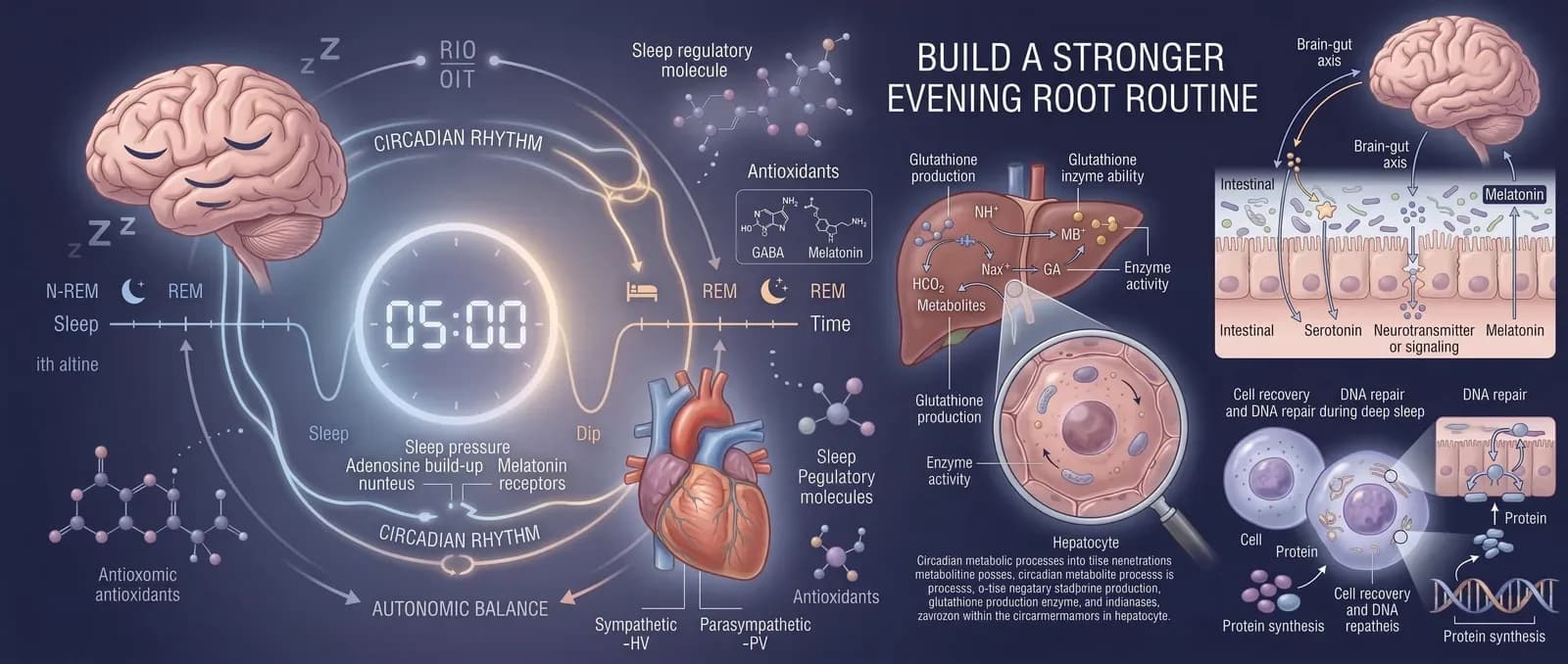
Sleep occurs in repeating 90-minute cycles. Early in the night, your brain experiences deep, slow-wave sleep. As morning approaches, your sleep architecture shifts toward REM (Rapid Eye Movement) sleep, making you more susceptible to light awakenings.
Briefly waking up is completely normal. The real issue is hyperarousal—when your brain switches into "alert mode" and prevents you from falling back asleep.
4 Main Reasons You Wake Up in the Middle of the Night
1. The Cortisol & Stress Response
Cortisol follows a natural circadian rhythm. Levels are lowest early in the evening and naturally begin to rise toward the morning to help you wake up.
However, elevated daytime stress keeps your autonomic nervous system in "fight or flight" mode. When you hit a lighter stage of REM sleep around 3 a.m., elevated stress hormones make your brain hyper-vigilant, keeping you awake.
2. Evening Alcohol Consumption
While a nightcap may help you fall asleep faster, alcohol severely disrupts sleep architecture as your body metabolizes it.
Alcohol reduces REM sleep in the first half of the night.
As blood alcohol levels drop, a "rebound effect" occurs in the second half of the night, leading to frequent, sudden awakenings.
Supporting Your Body's Nighttime Processing: If you enjoy an evening drink, your liver works overtime while you sleep to process ethanol and acetaldehyde.
3. Cellular Waste & Environmental Stressors
Accumulating cellular stress, heavy metals and environmental toxins are discussed as a possible burden on physiological systems that may interfere with deep recovery; evidence in humans is limited.
ROOT Clean Slate: Helps support your body’s natural pathways for removing heavy metals and environmental toxins at the cellular level, helping maintain a calm internal environment necessary for deep sleep.
4. Gut Health & Systemic Inflammation
Your gut and brain are in constant communication via the vagus nerve. Gastrointestinal discomfort, nocturnal systemic inflammation, or late-night digestion can trigger nighttime micro-awakenings without you even realizing it.
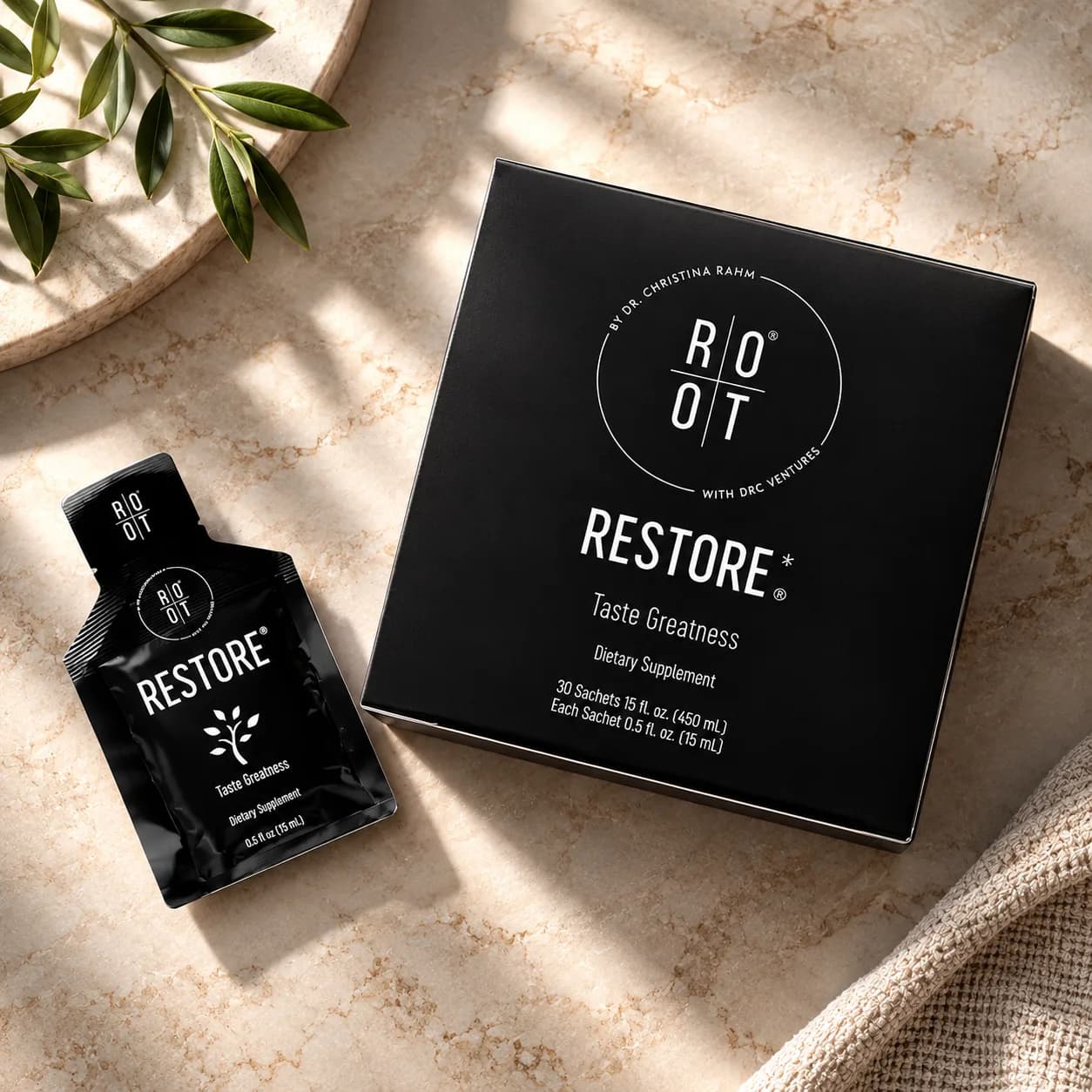
ROOT Restore: Designed to support gut barrier integrity, lower systemic inflammation, and deliver powerful antioxidants that allow your gastrointestinal and nervous systems to fully relax overnight.
Simple Habits to Stop Waking Up at Night
To improve sleep maintenance, shift your focus to supporting your full-day sleep-wake rhythm:
Stop Watching the Clock: Turning to check the time immediately activates the brain's problem-solving pathways. Turn your clock away from the bed.
Get Morning Sunlight: Exposure to natural light early in the day anchors your circadian clock and optimizes nighttime melatonin production.
Limit Late-Night Stimulants: Stop caffeine consumption at least 6–8 hours before bed to ensure it is fully cleared from your system.
Build a Consistent Evening Routine: Support your evening wind-down by combining stress reduction with targeted daily nutraceuticals.
Build a Better Nightly Routine with The ROOT Brands
Uninterrupted sleep isn't about chasing quick fixes—it's about supporting your body's natural physiological systems every single day.
Ready to transform your nights from the inside out?
Explore The ROOT Brands Daily Routine Collection Today
Medical Disclaimer
Medical References
- National Heart, Lung, and Blood Institute. Insomnia: Causes and Risk Factors. National Institutes of Health. https://www.nhlbi.nih.gov/health/insomnia/causes
- National Heart, Lung, and Blood Institute. Insomnia: Diagnosis. National Institutes of Health. https://www.nhlbi.nih.gov/health/insomnia/diagnosis
- National Heart, Lung, and Blood Institute. Insomnia: Treatment. National Institutes of Health. https://www.nhlbi.nih.gov/health/insomnia/treatment
- Dijk DJ, Czeisler CA. Contribution of the Circadian Pacemaker and the Sleep Homeostat to Sleep Propensity, Sleep Structure, Electroencephalographic Slow Waves, and Sleep Spindle Activity in Humans.Journal of Neuroscience. 1995;15(5):3526-3538. doi:10.1523/JNEUROSCI.15-05-03526.1995.
- Dijk DJ, Duffy JF. Circadian Regulation of Human Sleep and Age-Related Changes in Its Timing, Consolidation and EEG Characteristics.Annals of Medicine. 1999;31(2):130-140. PMID: 10344586.
- Gardiner C, et al. The Effect of Alcohol on Subsequent Sleep in Healthy Adults: A Systematic Review and Meta-Analysis.Sleep Medicine Reviews. 2025;80:102030. doi:10.1016/j.smrv.2024.102030. PMID: 39631226.
- Colrain IM, Nicholas CL, Baker FC. Alcohol and the Sleeping Brain.Handbook of Clinical Neurology.2014;125:415-431. PMID: 25307588.
- National Heart, Lung, and Blood Institute. Sleep Apnea: Symptoms. National Institutes of Health. https://www.nhlbi.nih.gov/health/sleep-apnea/symptoms
- National Heart, Lung, and Blood Institute. Sleep Apnea and Women. National Institutes of Health. Updated February 4, 2025. https://www.nhlbi.nih.gov/health/sleep-apnea/women
Related topics: Clean Slate, Restore.