Why Does Psoriasis Occur?
Psoriasis is a chronic skin condition in which an immune system imbalance makes the skin renew itself far too quickly. Genetic predisposition plays an important role, and the condition can come and go throughout life.
Av Root Health TürkiyePublicerad Uppdaterad 4 min läsning
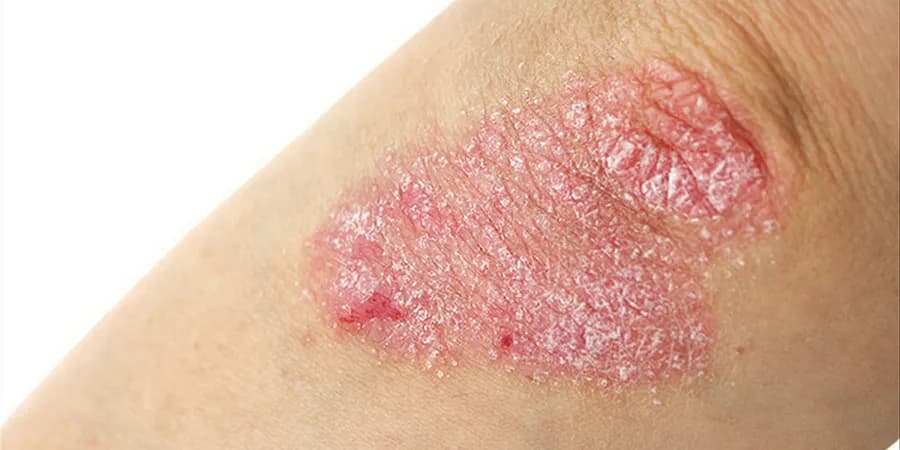
Psoriasis is a chronic skin condition caused by an imbalance in the immune system. The skin tries to renew itself much faster than normal, which leads to sharply defined red patches and scaling on its upper layers. The exact cause isn't fully known, but genetic predisposition is thought to play an important role, and the condition can flare up again and again over a lifetime.
Why does psoriasis occur?
Psoriasis affects how the skin looks because of the visible changes it causes, but it starts in the immune system. Because the skin tries to renew itself in a much shorter time than usual, clearly outlined redness and scaling appear on its upper layers.
Although its origin hasn't been fully pinned down, experts believe that an inborn tendency in the immune system causes certain white blood cells (especially T cells) to react wrongly against skin cells. Psoriasis is a chronic condition and can recur throughout a person's life.
Is psoriasis hereditary?
Experts think psoriasis can develop because of a genetic predisposition. People with psoriasis in the family are more likely to develop it themselves. Studies have found that around 30% of people with psoriasis also have family members with the condition.
Psoriasis vs eczema: what's the difference?
What drives psoriasis is a misdirected response by immune cells. One clue that sets it apart from eczema is that symptoms tend to appear on the outer side of joints such as the elbows and knees. Eczema, on the other hand, usually shows up in softer areas of skin such as the inner side of joints, and it is an entirely separate condition.
What is eczema?
Eczema (also known as dermatitis) is a chronic skin problem marked by dry, scaly, red, intensely itchy patches, burning and rashes. It can develop for many different reasons, and while it isn't dangerous, it can be very uncomfortable.
Eczema can cause itching, red bumps, thickened skin and open cracks on the skin's surface. Intense itching can lead to poor sleep and tiredness, affect performance at school or work and, because it also touches daily and social life, lower quality of life.
It's estimated that around one in ten people will have eczema at some point in their lives.
Causes of eczema and everyday care
Eczema can have both genetic and environmental causes. Most eczema is long-lasting, but in the type known as contact dermatitis, it can clear up once the irritating substance is identified and contact with it is avoided. With other types, the following steps and good self-care can help ease symptoms:
- Avoid very hot, long showers
- Cut down on spicy and processed foods if they seem to make things worse for you
- Keep your skin moisturised with oils and creams
- Don't scrub your skin hard
- Stay away from substances that irritate or sensitise your skin
- Use topical steroid creams for itching if your doctor recommends them
- If you tend to scratch, keep your nails short
- Avoid stressful places and situations that can trigger flare-ups
Skin changes seen in psoriasis
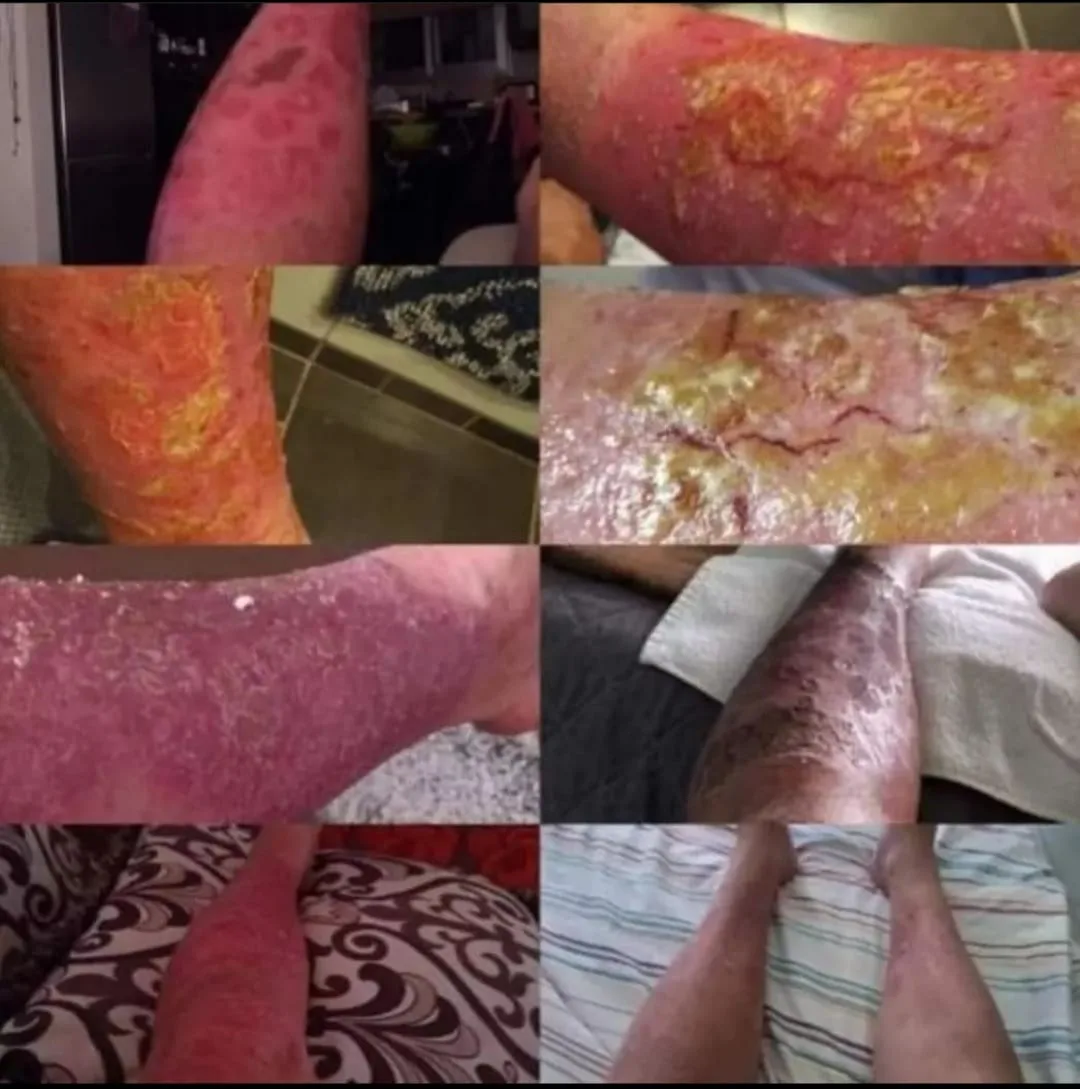
Psoriasis varies a great deal from person to person. If you notice similar changes on your skin, see a dermatologist for diagnosis and treatment.
Related products
You'll find detailed information on Clean Slate, ROOT's best-known product, on its product page. Clean Slate is a food supplement; it is not a treatment for psoriasis or eczema. If you're interested in how environmental factors relate to health, take a look at our article on mercury and chronic illness. Any questions? Get in touch.
This article is for general information only and is not medical advice. Food supplements are not medicines and are not intended to diagnose, treat, cure or prevent any disease.