
GLP-1 and Weight Management: What Is Known About Medications, Foods and Natural Approaches
GLP-1 is a hormone released in the gut after eating and linked to appetite and blood sugar; some prescription medications mimic its action. This article explains how GLP-1 medications work, why medical supervision matters for safety, and the role of food and lifestyle. Evidence for supplements in this area is limited, so talk to a healthcare professional about personal decisions.
By Root Health TürkiyePublished Updated 5 min read
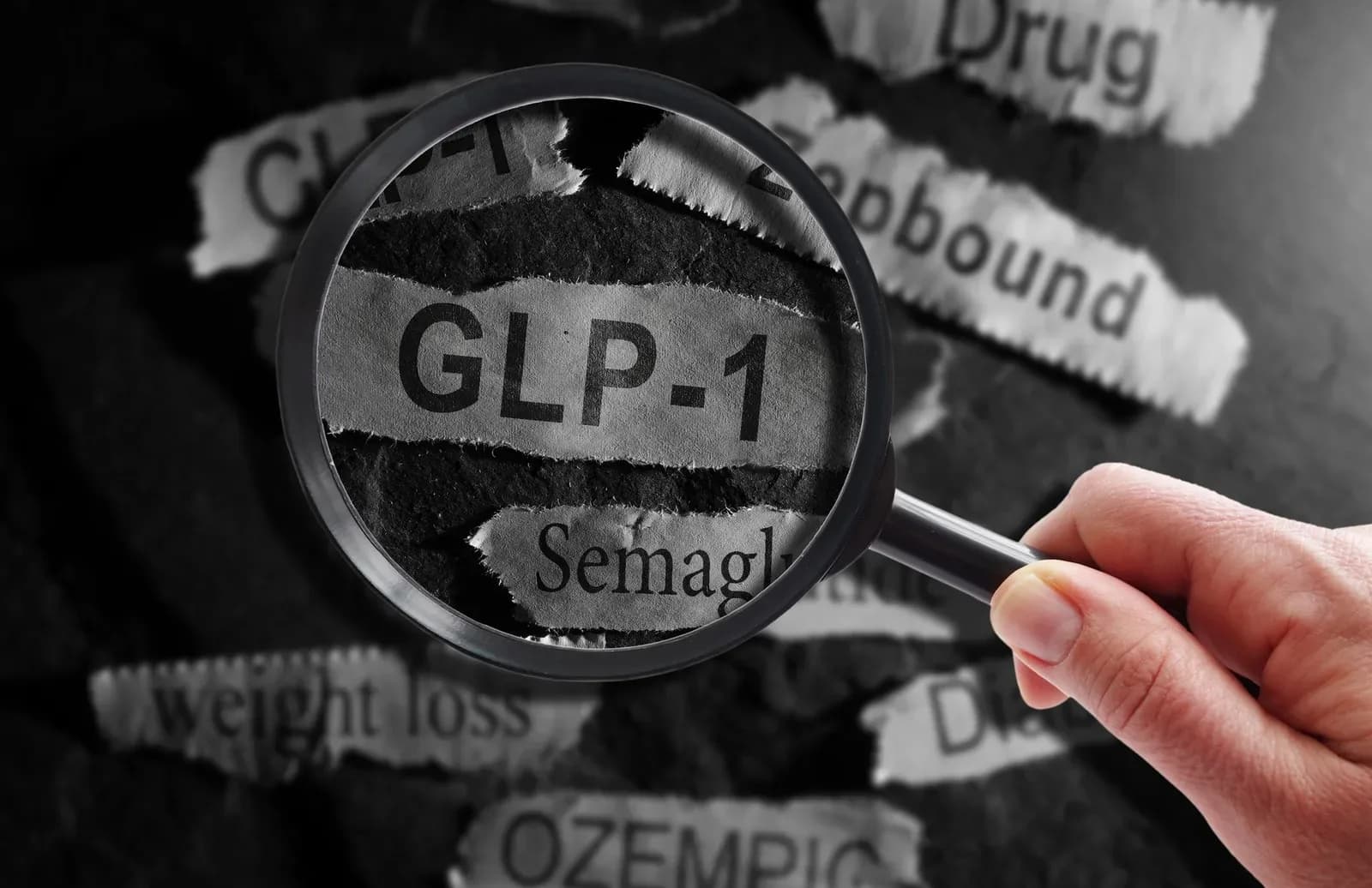
GLP-1 is a hormone released in the gut after eating and linked to appetite and blood sugar; some prescription medications mimic its action. This article explains how GLP-1 medications work, why medical supervision matters for safety, and the role of food and lifestyle. Evidence for supplements in this area is limited, so talk to a healthcare professional about personal decisions.
How Do GLP-1 Medications Help With Weight Loss?
Before GLP-1 medications were commonly used for weight loss, most people had never heard of them. Maybe they’d seen an ad on TV for Ozempic, but that was an ad for diabetes. Now, it seems like ads for GLP-1 medications are everywhere you look.
The reason for the meteoric rise in GLP-1 awareness is that it has been shown in clinical research studies to help people lose weight, manage their blood sugar, and maintain a healthy weight. The FDA has approved these medications for weight loss, and some insurance plans cover their use for this purpose. By the way, the GLP-1 medications used for weight loss are the same medications used to treat diabetes, just at higher doses.
The key to the weight loss seen in those who use GLP-1 medications is in the delayed stomach emptying, which keeps you feeling fuller longer. This helps you regulate your appetite. When your stomach is full, it and the medications send messages to the brain saying “I’m full,” which means you eat less.
The weight loss seen in those using GLP-1 medications is compelling. Some clinical studies have shown that people using GLP-1s lose an average of 10% to 15% of their body weight over the course of a year. Some people may lose over 20% of their weight using GLP-1s.
Research links modest weight loss with changes in markers such as blood sugar, insulin sensitivity and blood pressure; always talk to your doctor about your own goals.
While all of this may sound attractive, it is also important to understand whether GLP-1s are the best and safest choice for you to use.
Are GLP-1s Safe?
GLP-1 medications are considered safe when prescribed by a healthcare provider and with ongoing monitoring. These medications have been studied for almost 40 years!
Just like with any other medication, there are potential side effects to be aware of. These include:
- GI issues, including nausea, vomiting, constipation, and diarrhea
- Fatigue or dizziness (especially as your body adjusts to being on the medications and eating less)
- Muscle loss (if food intake is low, especially protein)
Those using these medications find that many of the side effects go away after becoming used to them.
Maximizing GLP-1 Producing Medications and Supplements
While GLP-1 medications and supplements may look like an easy answer for weight management, the picture is more consistent when they are considered alongside healthy habits. These habits include:
- Eating balanced meals: Ensuring you’re eating protein at every meal will help minimize muscle loss. Adding vegetables and fruits rounds out a balanced diet.
- Keeping things moving: Including plenty of fiber in your diet will help with constipation (a common side effect of these medications). The recommended intake is 25 grams per day for women and 35 grams per day for men. Fiber is also associated with feeling full for longer and with a balanced diet. One simple way to increase your fiber intake is to ensure half of the grains you eat are whole grains.
- Maintain a healthy gut environment: Your fiber intake helps keep your gut bacteria, also called your microbiome, healthy. If you want to take it a step further, developing eating habits that include fermented foods like kimchi, sauerkraut, kefir, and yogurts with live cultures can all help populate your microbiome with beneficial bacteria.
- Including healthy fats: fatty fish such as salmon and tuna twice a week is a common way to get protein and healthy fats as part of a balanced diet.
- Moving your body: Finding an activity you enjoy and can incorporate into your daily routine will help you stay energized and maintain your muscle tone. Moving doesn’t mean an hour-long sweat-fest in the gym. Going for a walk, practicing yoga, a HIIT workout, or strength training are all common ways to stay active.
- Working with a dietitian: Many people taking GLP-1 medications believe that eating a lot less is a good thing. But that isn't necessarily the case. That's why working with a registered dietitian (RD) is critical for your success. An RD will work with you on dietary changes, including ensuring you're eating enough of the right foods to help you stay healthy while losing weight.
Some people don't want to take medications, including GLP-1 medications, and are looking for alternatives. They don't want injections or trips to see a healthcare professional, and they're looking for a more affordable option. This is where supplements said to support GLP-1 come up, although the evidence for them is limited.
Where Can You Get GLP-1-producing Supplements?
Frequently asked questions
What is GLP-1?
It is a hormone released in the small intestine after eating and linked to appetite and blood sugar.
Are GLP-1 medications right for everyone?
No. They are prescription medications; suitability varies and should be assessed by a doctor.
Do supplements replace GLP-1 medications?
No. The relationship between supplements and GLP-1 is being researched, but evidence is limited and they do not replace medication.