
October 4, 2026 · 4 min read
Prebiotics vs Probiotics: What Is the Difference? A Simple Gut Guide
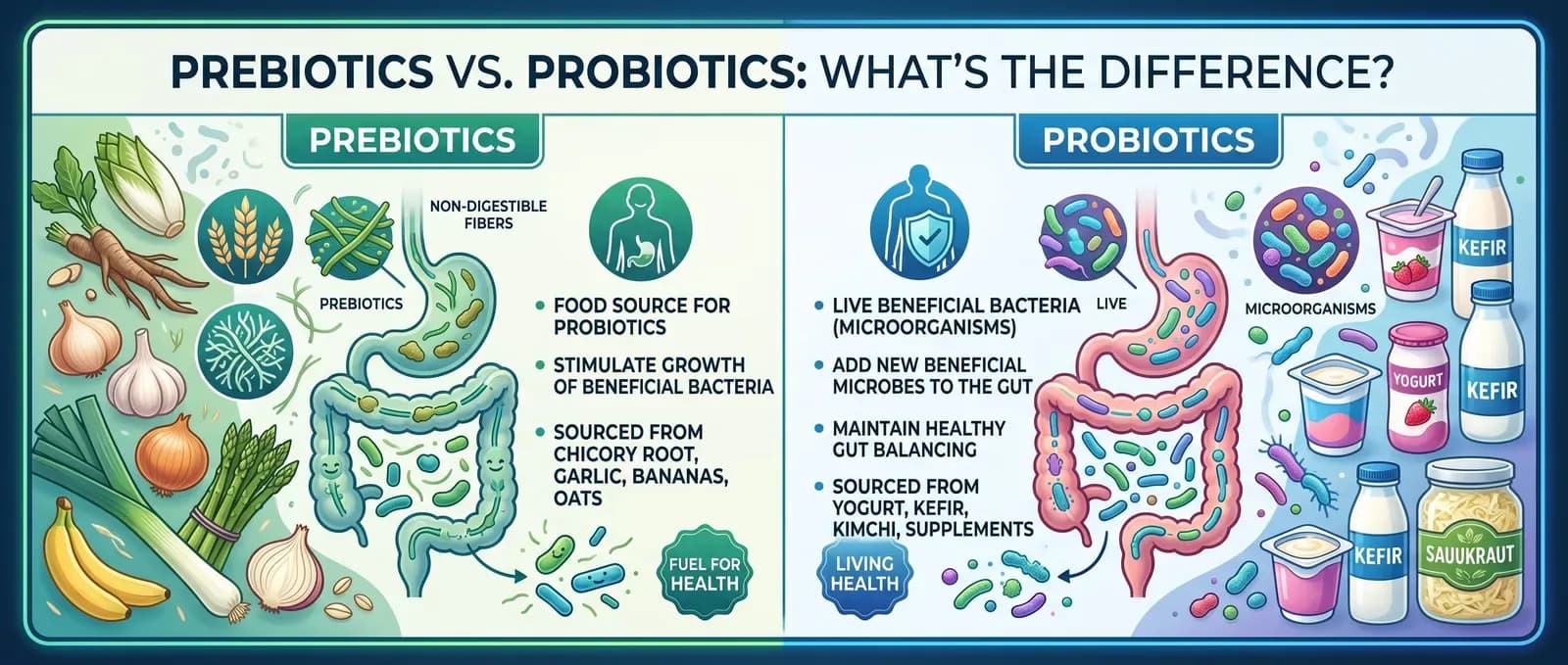
Prebiotics and probiotics are not the same thing. Here are the definitions, sources, safety notes and whether you need both, in plain language.
We only store what the shop needs in your browser (your cart and your choice). With your permission, we'd also use Google Analytics to understand how the site is used. No advertising cookies. You can change your choice at any time, as explained in our Cookie Policy. Cookie Policy
Articles on ROOT, natural living and health. Our posts are for general information only and are not medical advice.
October 4, 2026 · 4 min read
Prebiotics and probiotics are not the same thing. Here are the definitions, sources, safety notes and whether you need both, in plain language.
October 2, 2026 · 3 min read
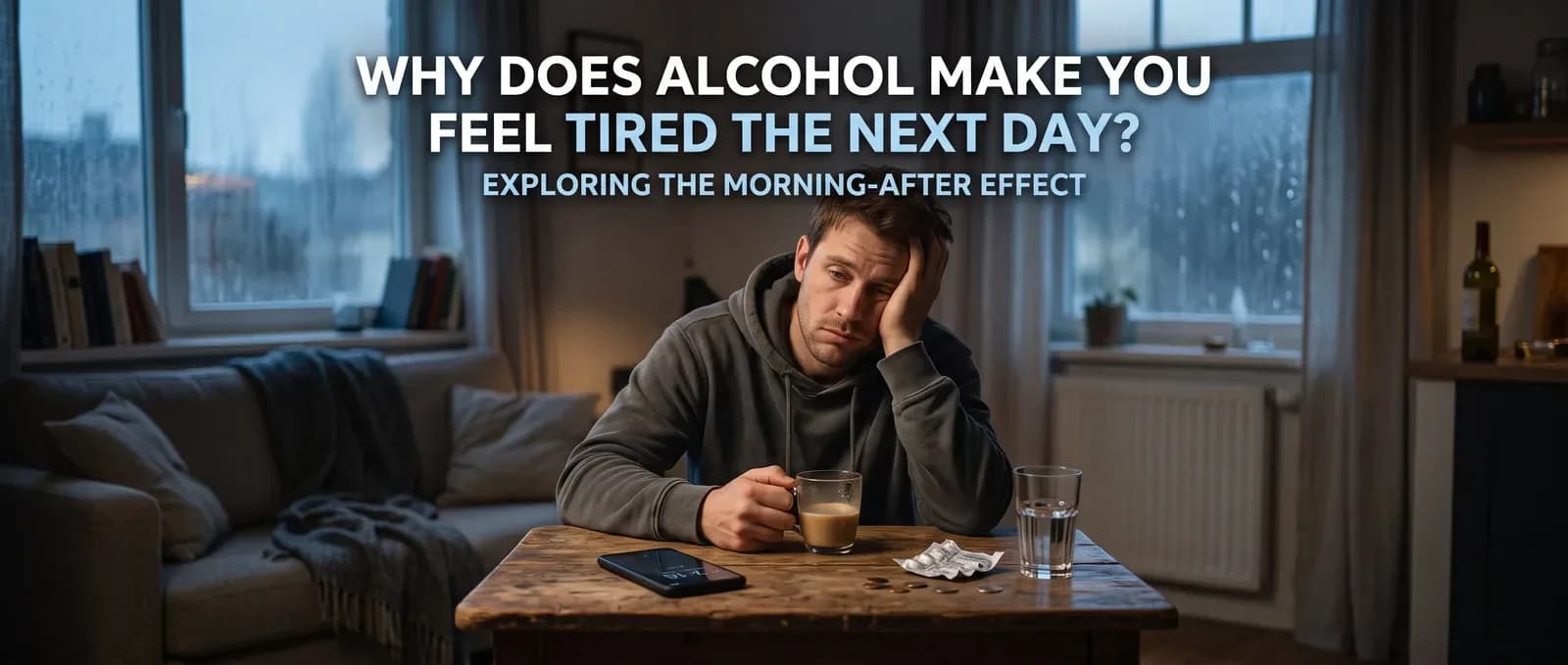
Alcohol can make you drowsy at first, but it disrupts sleep later in the night, so you can spend eight hours in bed and still wake up unrefreshed. Dehydration, the body still processing alcohol overnight and late-night eating also contribute to next-day tiredness. Drinking less, alternating with water, stopping earlier in the evening and eating beforehand are the simplest ways to reduce it.
September 30, 2026 · 5 min read
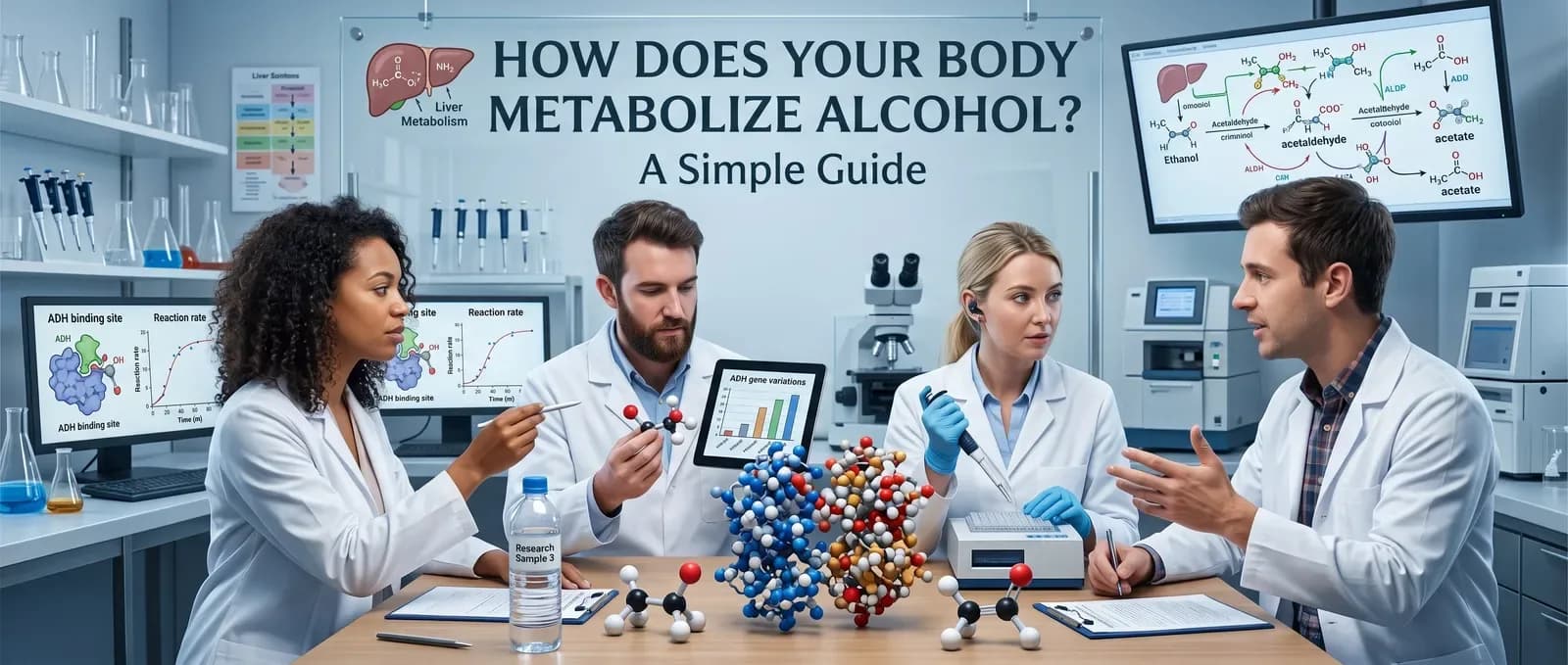
The path alcohol takes in the liver from ethanol to acetaldehyde, acetate and water, what affects its pace, and why coffee and cold showers do not help, in plain language.
September 28, 2026 · 6 min read
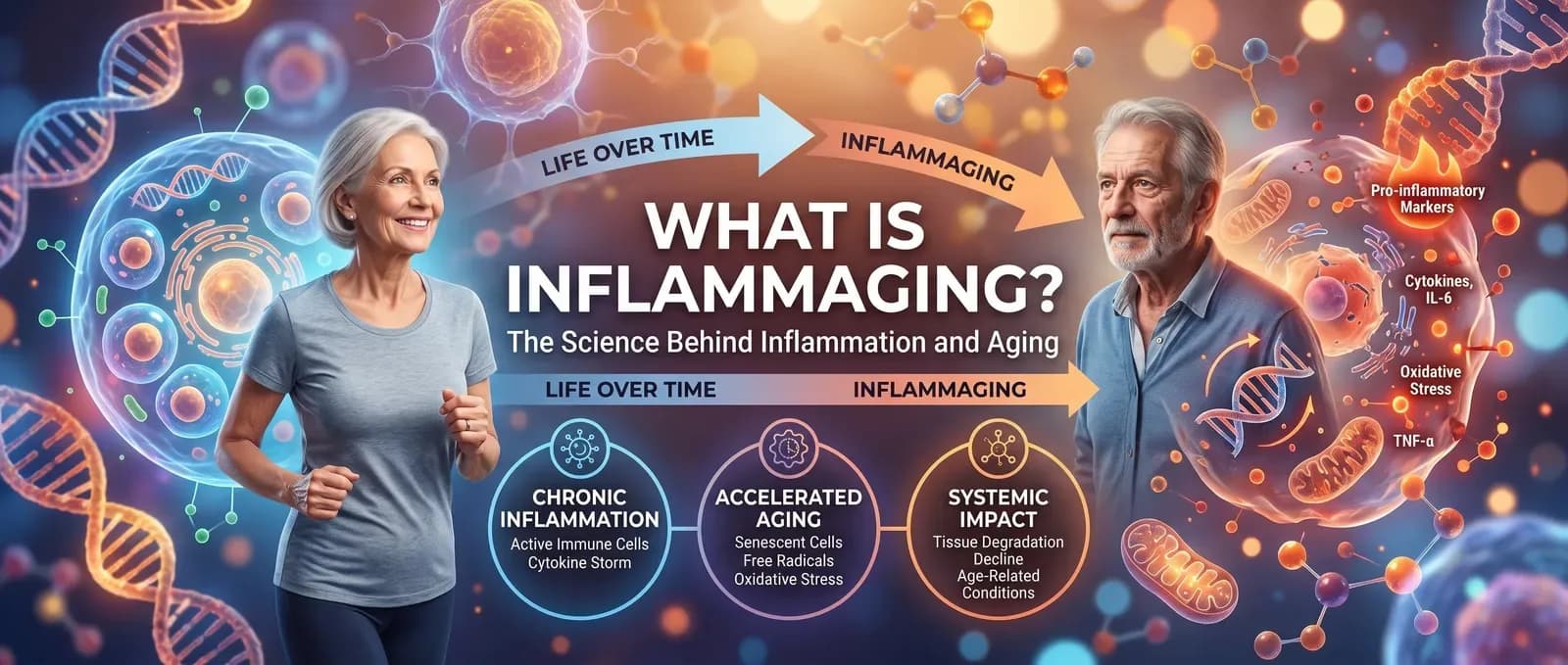
What inflammaging is, why it is not a diagnosis, and what meta-analyses say about exercise and Mediterranean-style eating on inflammation markers.

September 26, 2026 · 7 min read
Brain fog describes difficulty with memory, focus or mental speed rather than a specific disease, and it can result from sleep problems, stress, hormonal changes, nutrient deficiencies, medication side effects and illness. Persistent, unexplained or worsening symptoms should be evaluated by a healthcare professional to rule out conditions such as thyroid dysfunction. This article reviews common causes and when to seek care.
September 24, 2026 · 4 min read
Brain fog is not a medical diagnosis but a symptom, and common causes include sleep deprivation, stress, hormonal shifts, nutrient gaps and gut-brain axis imbalance. Identifying the likely causes and addressing sleep, nutrition, activity and stress is the foundation, and persistent symptoms deserve a medical check-up. This article lists seven common causes and ways to support clarity.
September 22, 2026 · 5 min read
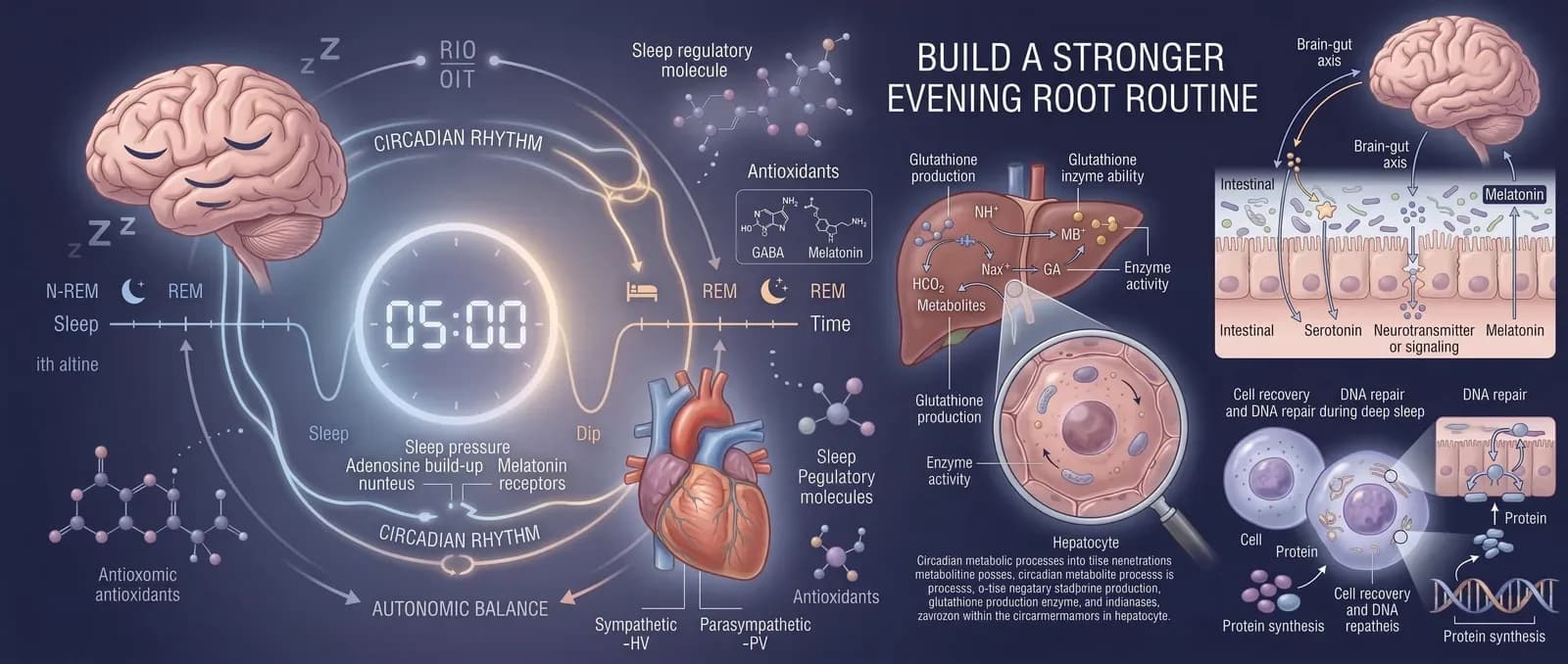
Waking briefly during the night is common and is not always a sign of a disorder: sleep naturally cycles through lighter and deeper stages, and stress, evening alcohol, room environment and gut or inflammation-related factors can make awakenings more noticeable. Consistent timing, a cool dark room, limiting alcohol and managing evening stress are the best-supported fixes, and persistent insomnia should be discussed with a doctor. This article explains four common reasons.

September 16, 2026 · 3 min read
Early alarms, crowded terminals, dry cabin air, time-zone changes and less sleep can throw your routine off, so planning for rest, hydration and food before, during and after a trip is sensible. Good sleep, handwashing, water and balanced meals are the best-supported steps, and supplements such as Immune Defense Shield are positioned as optional support. This article offers a simple travel routine.
September 14, 2026 · 8 min read
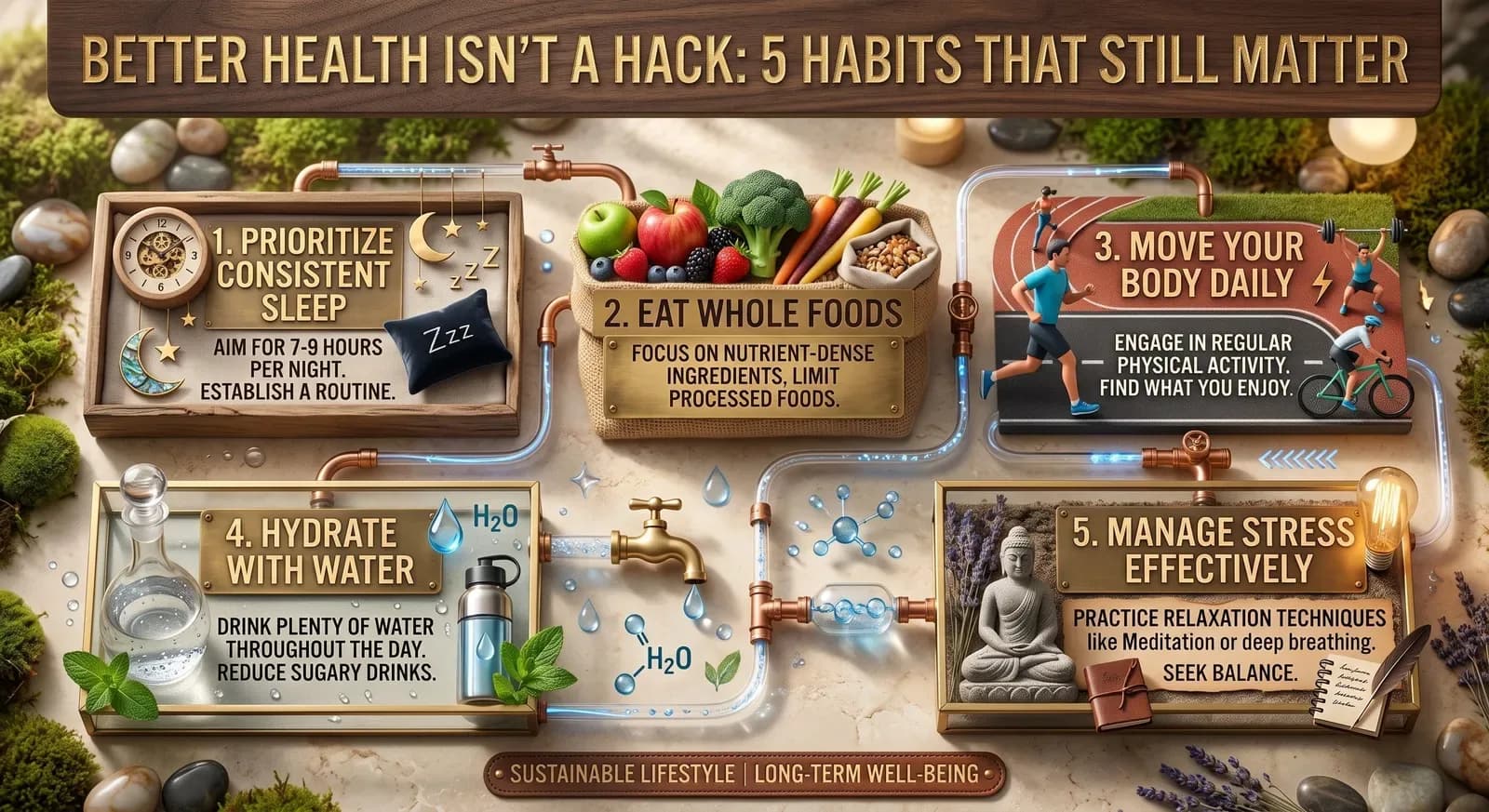
New wellness trends come and go, but five simple habits keep standing the test of time: slowing down through mindfulness, prioritising sleep, eating real food, moving your body and reducing everyday environmental exposures. None of them is glamorous, and consistency matters more than perfection. This article walks through the five habits, with practical ideas for each.
September 12, 2026 · 8 min read
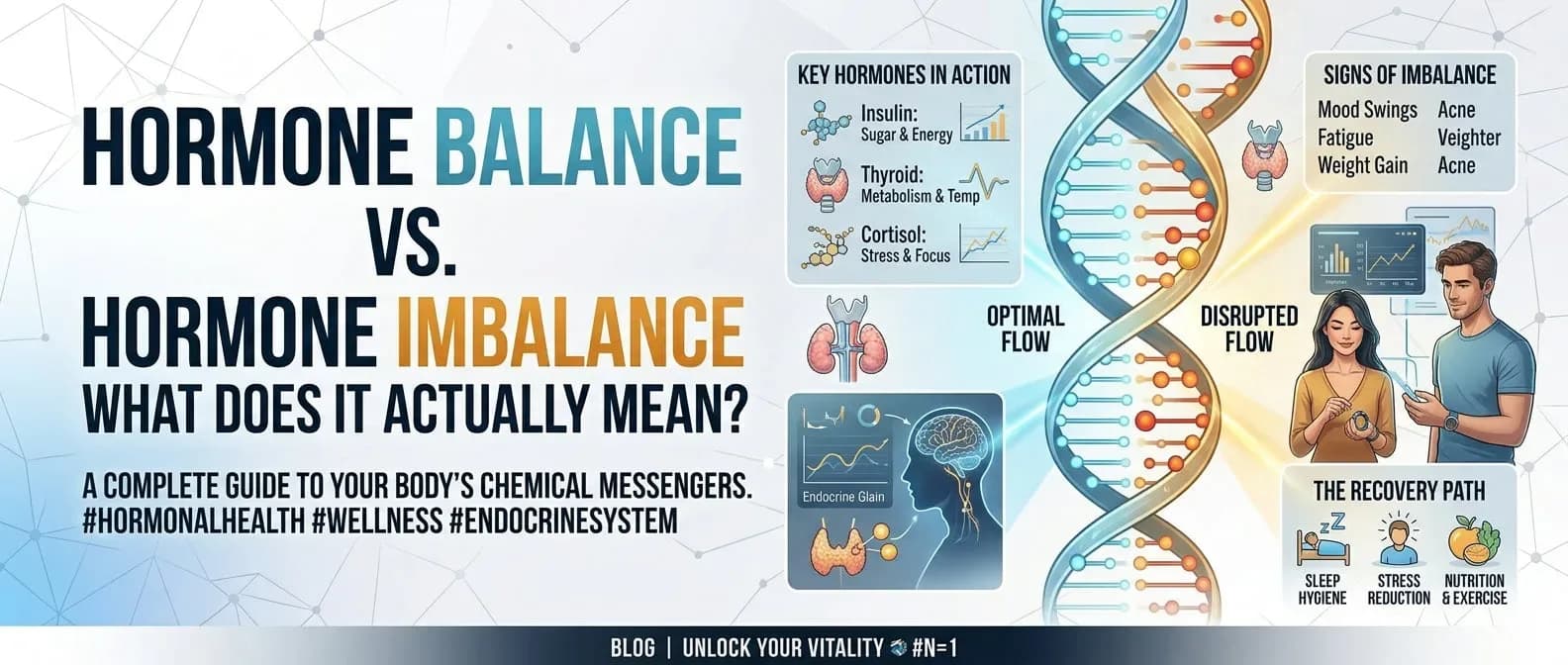
Hormone balance is a popular wellness phrase, but the endocrine system is more complex than being simply balanced or unbalanced, and hormones respond to light, food, sleep, exercise, stress, age and illness. Persistent symptoms deserve proper medical testing, and lifestyle habits such as sleep, stress management and movement support overall health but do not treat hormonal disorders. This article explains what hormones do and what can realistically be done to support health.
September 10, 2026 · 3 min read
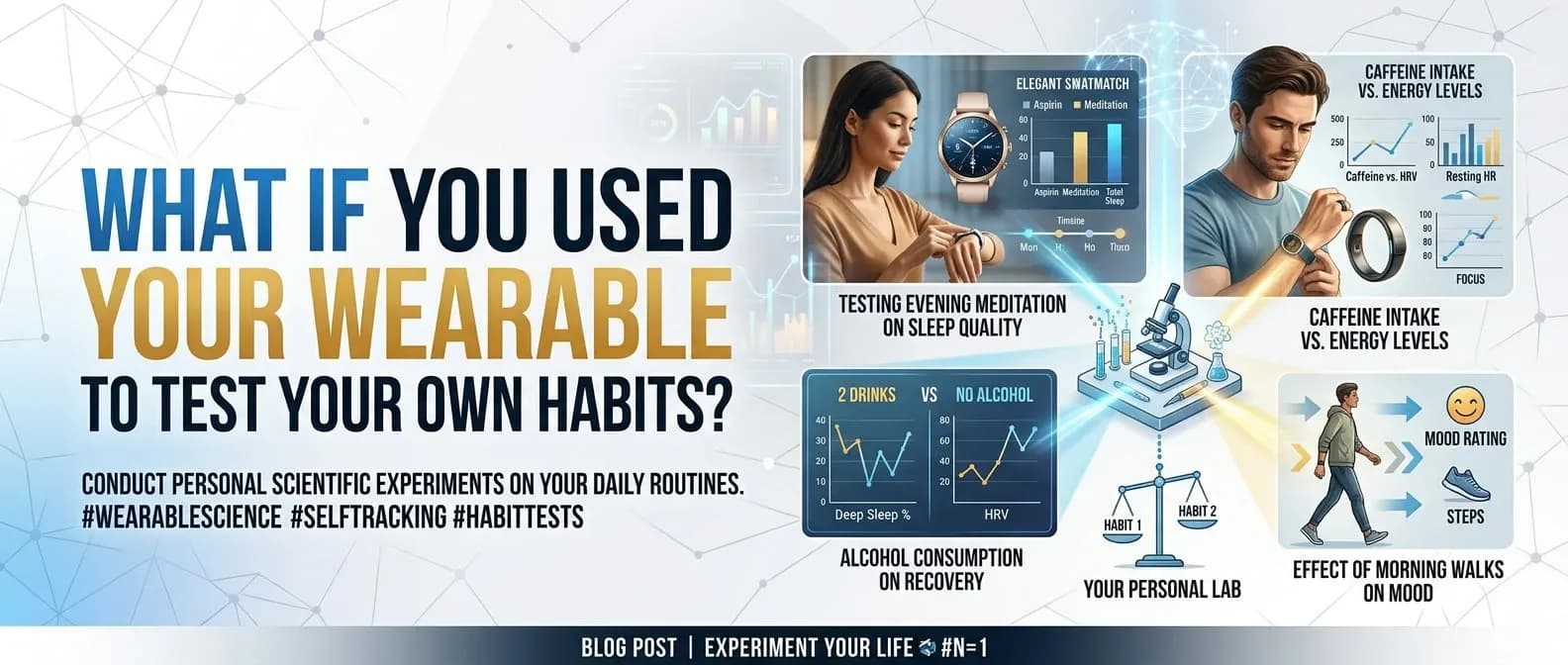
Wearables can do more than show daily numbers: used thoughtfully, they let you test whether one change, such as a consistent bedtime or a daily walk, shifts patterns like sleep or resting heart rate over time. Make one change at a time, track it for a few weeks and remember that many factors affect wearable readings. This article explains how to create your own wellness experiment.
September 5, 2026 · 6 min read
Stress, long hours, too little sleep, sitting too much and everyday environmental exposures all place demands on the body, and changes in how you feel rarely happen overnight. Consistent habits over weeks, such as sleep, food, movement and stress management, matter most, and supplements such as Clean Slate, Restore and Zero-In are positioned as optional support within a routine. This article discusses patience, tracking progress and a 90-day approach.
September 3, 2026 · 5 min read
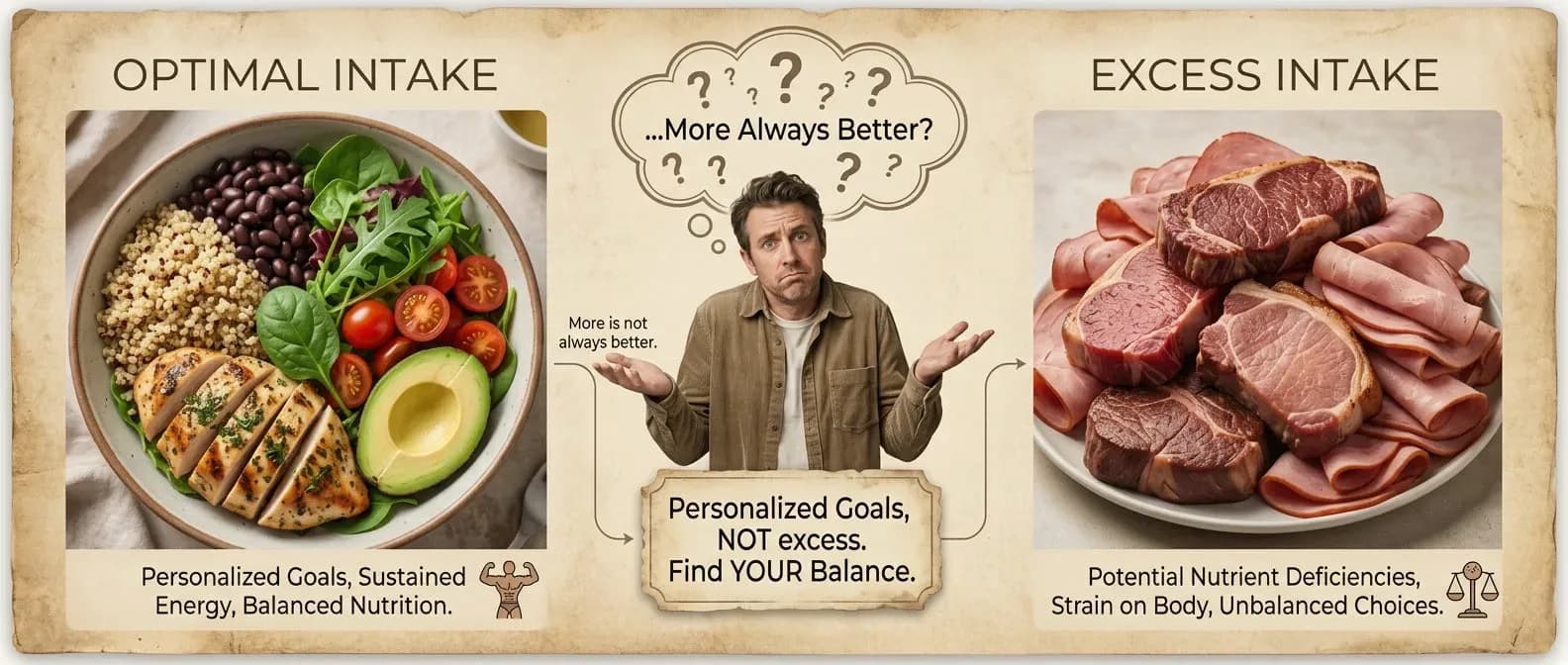
Daily protein needs explained through the RDA and sports nutrition position statements, with the limits of high protein and how to build a balanced plate.
September 1, 2026 · 5 min read
Many people interested in gut health and parasites want to jump straight into a cleanse. This article explains building the basics first, such as nutrition, hydration and routine, and where the Trinity Pack fits in a general wellness routine. It is not treatment for a parasitic infection; see a healthcare professional if concerned.
August 30, 2026 · 6 min read
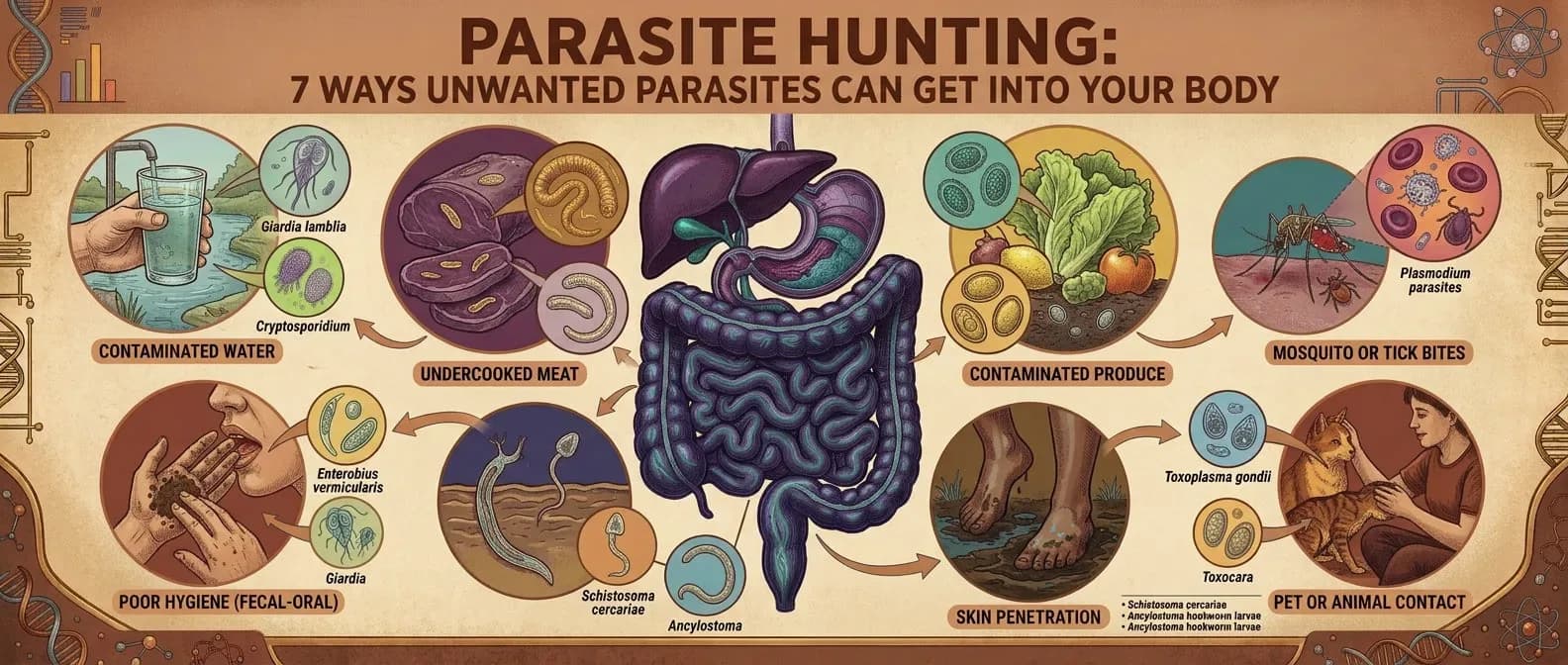
Parasites can reach people through raw or undercooked food, contaminated water, soil, animals and travel, among other routes. This article summarizes general sources of exposure and everyday hygiene habits for educational purposes. If you are concerned, see a healthcare professional about testing.
August 30, 2026 · 5 min read
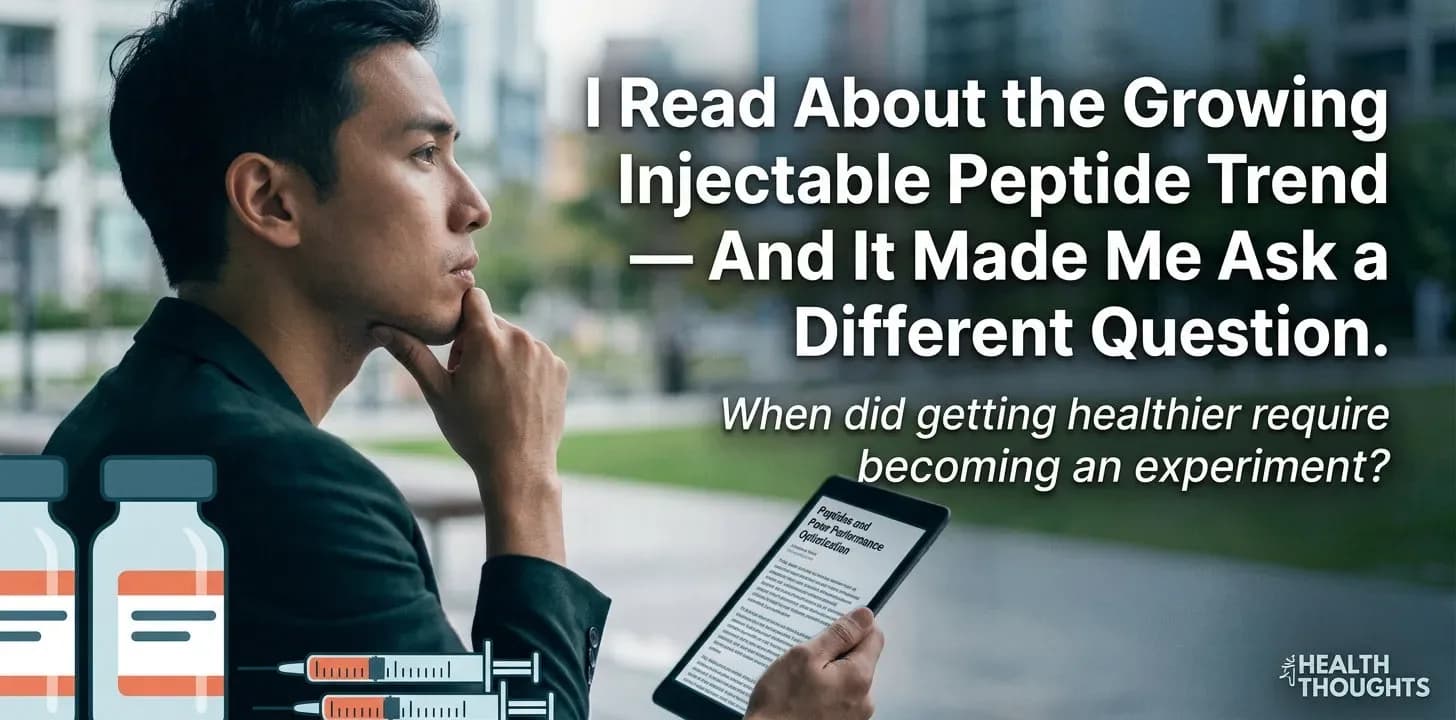
Experimental injectable peptides are spreading through the fitness and biohacking world, yet many rest on limited human research, are sold from unregulated sources and may be prohibited in competitive sports. This is an opinion piece arguing for a return to basics such as nutrition, training, sleep and recovery instead of experimental shortcuts. Athletes subject to drug testing should check products against their own rules.
August 28, 2026 · 5 min read
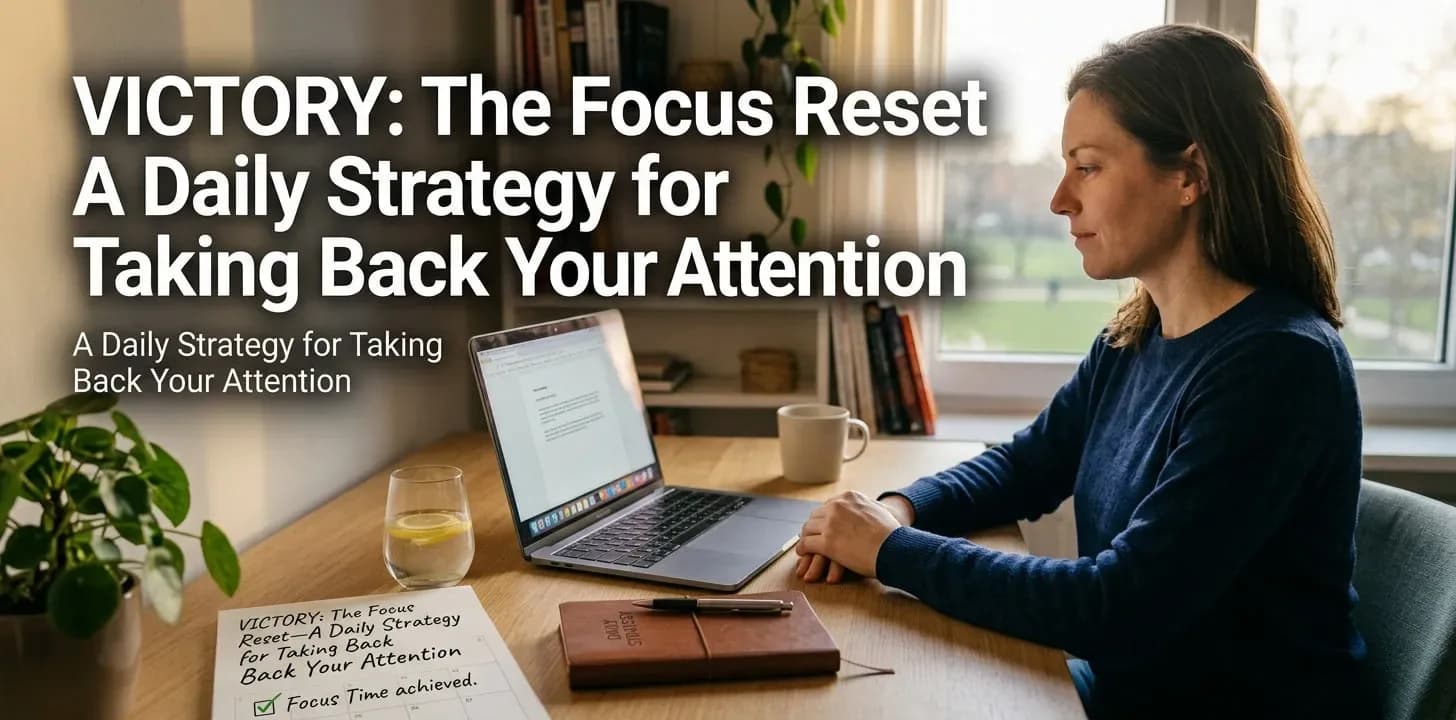
Understanding why you are distracted is useful, but changing what you do next matters more. A practical daily routine includes not letting your phone choose your first thought, deciding what deserves your attention and building supportive habits such as consistent sleep and balanced nutrition. This final part of the Hooked series turns the earlier science into a simple routine and explains where Zero-In fits.
August 24, 2026 · 5 min read
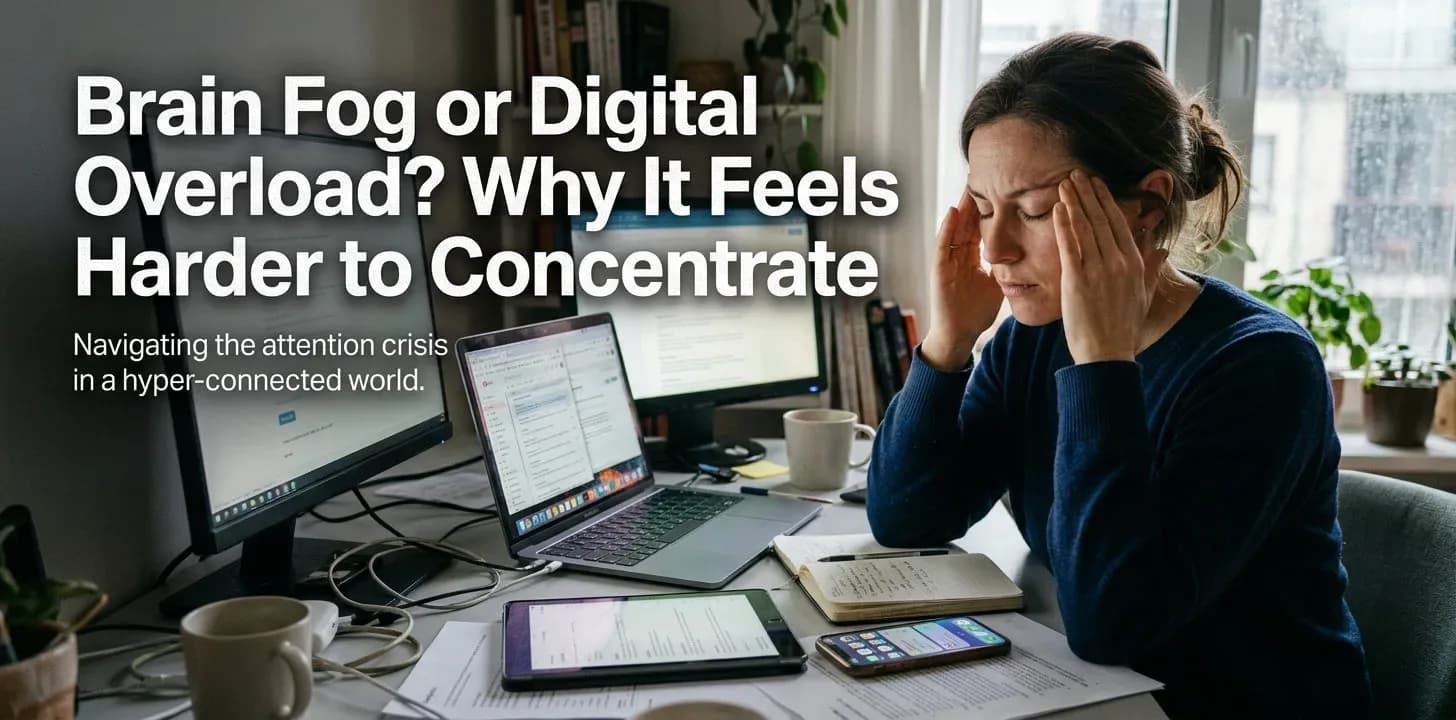
Not every bad day is brain fog and not every concentration problem is caused by a smartphone: sleep, stress, nutrition, workload, medications and health conditions all affect cognition, but constant interruptions from technology can make sustained focus harder. Protecting your cognitive environment, for example by limiting interruptions and batching notifications, is the first step, and nutrition plays a supporting role. This part of the Hooked series explains the interruption problem and what helps.

August 22, 2026 · 5 min read
Social platforms make checking feel worthwhile by combining short-form content, social approval and endless feeds, which create repeated opportunities for reward-seeking. Focus is a different skill that depends on your environment and on basics such as sleep and nutrition. This part of the Hooked series explains why social approval is such a strong reward and what steps help you take back attention.
August 20, 2026 · 5 min read
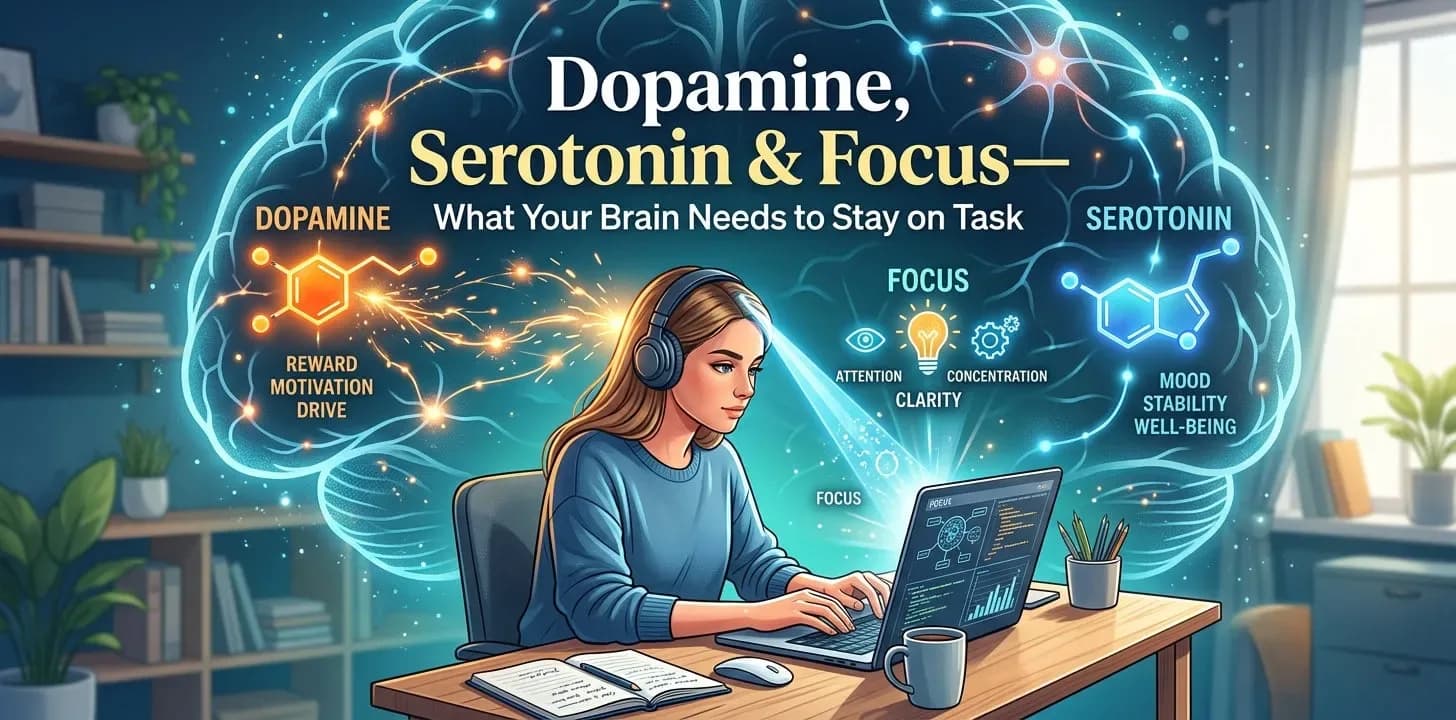
Scrolling takes little effort while focusing on an important task for twenty minutes can feel hard, partly because stimulation and sustained cognitive performance rely on different brain processes. Dopamine helps drive the pursuit of goals while serotonin plays a different role in mood and regulation, and both depend on sleep, nutrition and daily habits. This article from the Hooked series explains the biology and which nutrients are discussed in relation to it.

August 18, 2026 · 5 min read
Smartphones deliver frequent rewards, cues and distractions that engage the brain's dopamine system, which is more about wanting and motivation than about pleasure itself. Changing your environment, such as muting notifications and setting phone-free times, is the most effective first step, while nutrients such as tyrosine are discussed as support for the dopamine pathway but are not a fix. This first part of the Hooked series explains the science.
August 16, 2026 · 7 min read
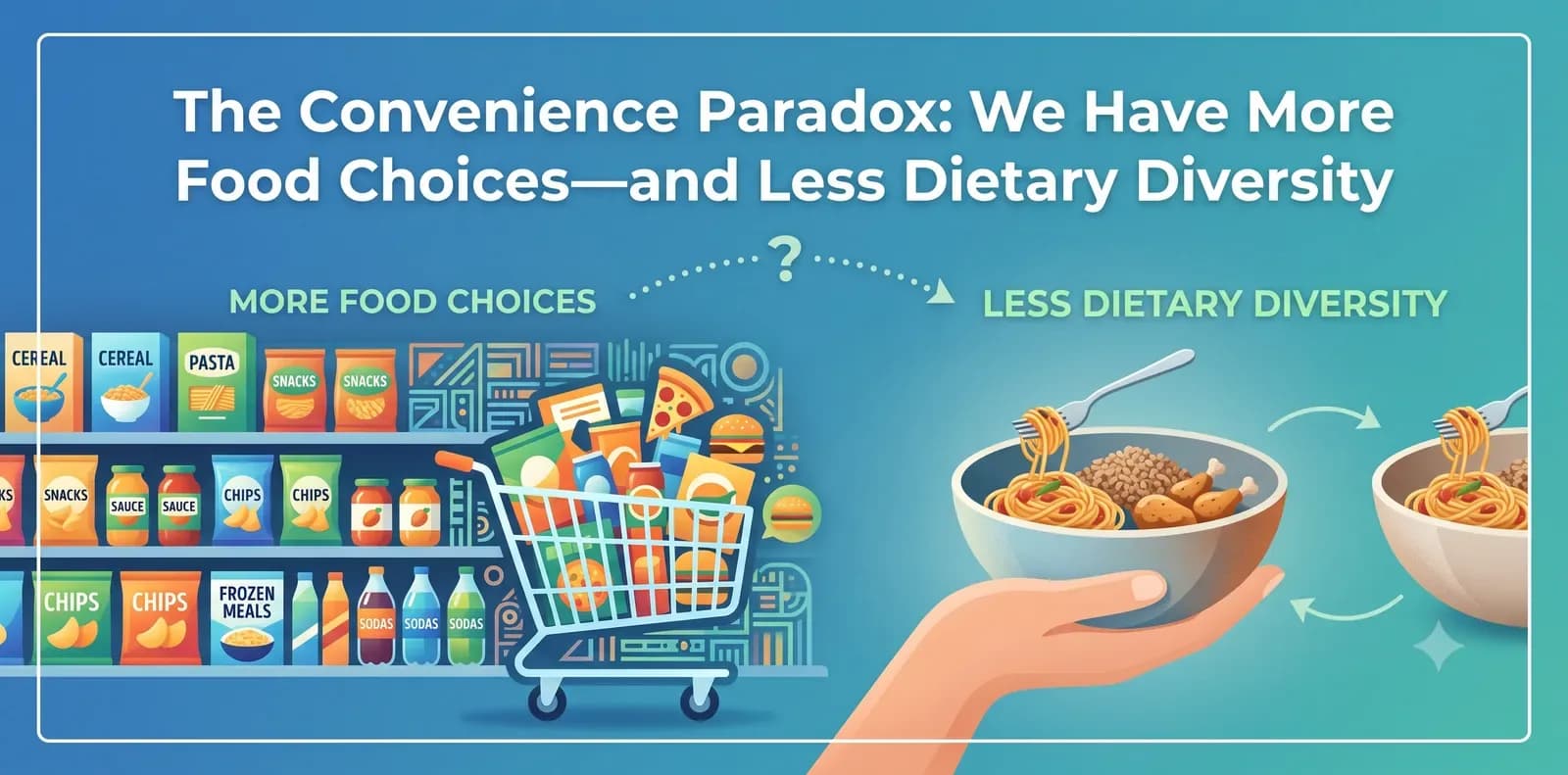
Supermarkets stock thousands of products, yet plant variety on our plates has not grown. The convenience paradox, why plant diversity matters and a grocery cart test.

August 13, 2026 · 5 min read
How does the gut microbiome respond to variety? The limits of the 30-plants-a-week finding, why fibers differ and practical ways to add plant diversity to your plate.

August 10, 2026 · 8 min read
Most people already eat too few vegetables, and a new global report highlights that vegetable biodiversity is also shrinking, which narrows the range of nutrients and plant compounds in our diets. Eating a wider variety of vegetables, including seasonal and less familiar ones, is a practical response. This article explains why variety matters and how to add more of it to your routine.
July 23, 2026 · 4 min read
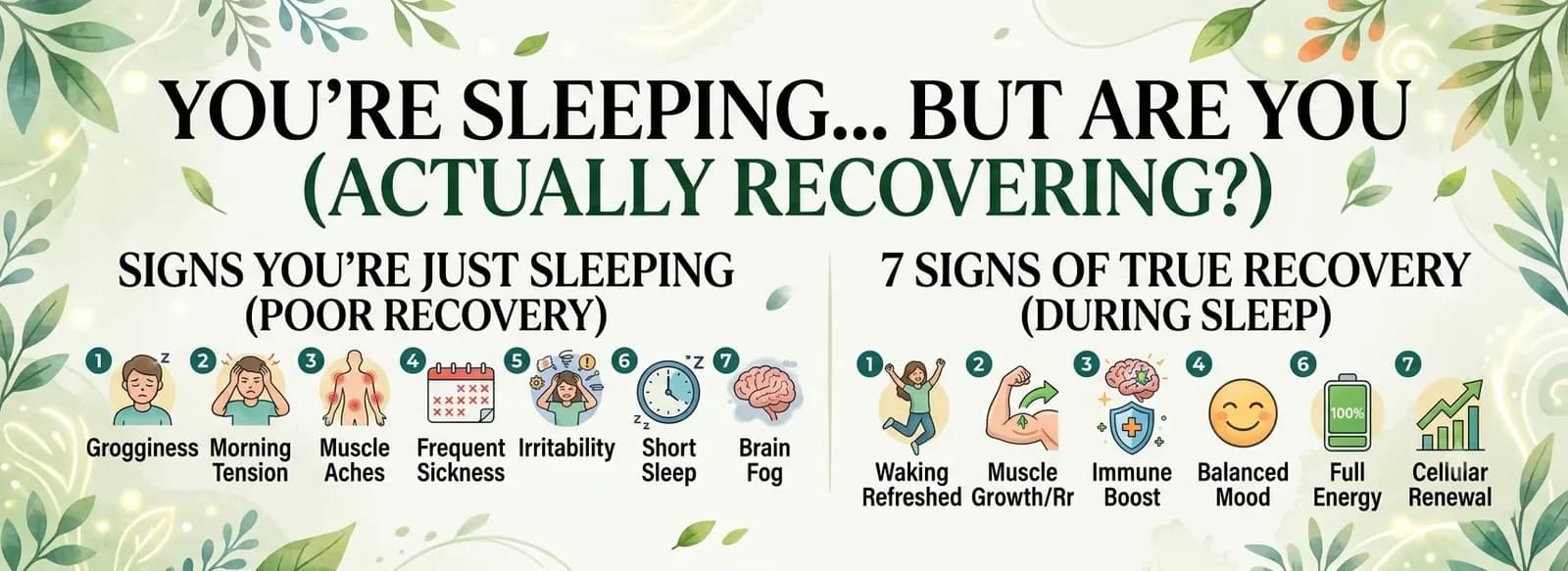
Seven or eight hours in bed do not guarantee recovery: sleep quality, stress, blood sugar swings and nutrient gaps can all affect how rested you feel. Consistent timing, morning light, regular movement, balanced meals and managing stress are the best-supported ways to improve recovery. This article explains the difference between sleep and recovery and daily habits that support both.
July 23, 2026 · 7 min read
Ultra-processed foods are industrially formulated products that tend to be low in fibre and high in refined starches, sugars and additives, and observational studies link high intake with lower gut microbiome diversity and poorer health markers. Eating more whole and plant-rich foods, drinking water and sleeping well are practical ways to support gut health. This article explains the gut microbiome, why ultra-processed foods are a concern and simple habits that help.

July 14, 2026 · 6 min read
Live music is about presence, but long nights, noise and crowds can drain focus and energy. Some people look to nootropics such as Zero-In to support alertness and mood without relying on alcohol or high-sugar drinks, though evidence for effects at events is limited. This article looks at the ingredients commonly discussed and what to consider before using them.
July 6, 2026 · 4 min read
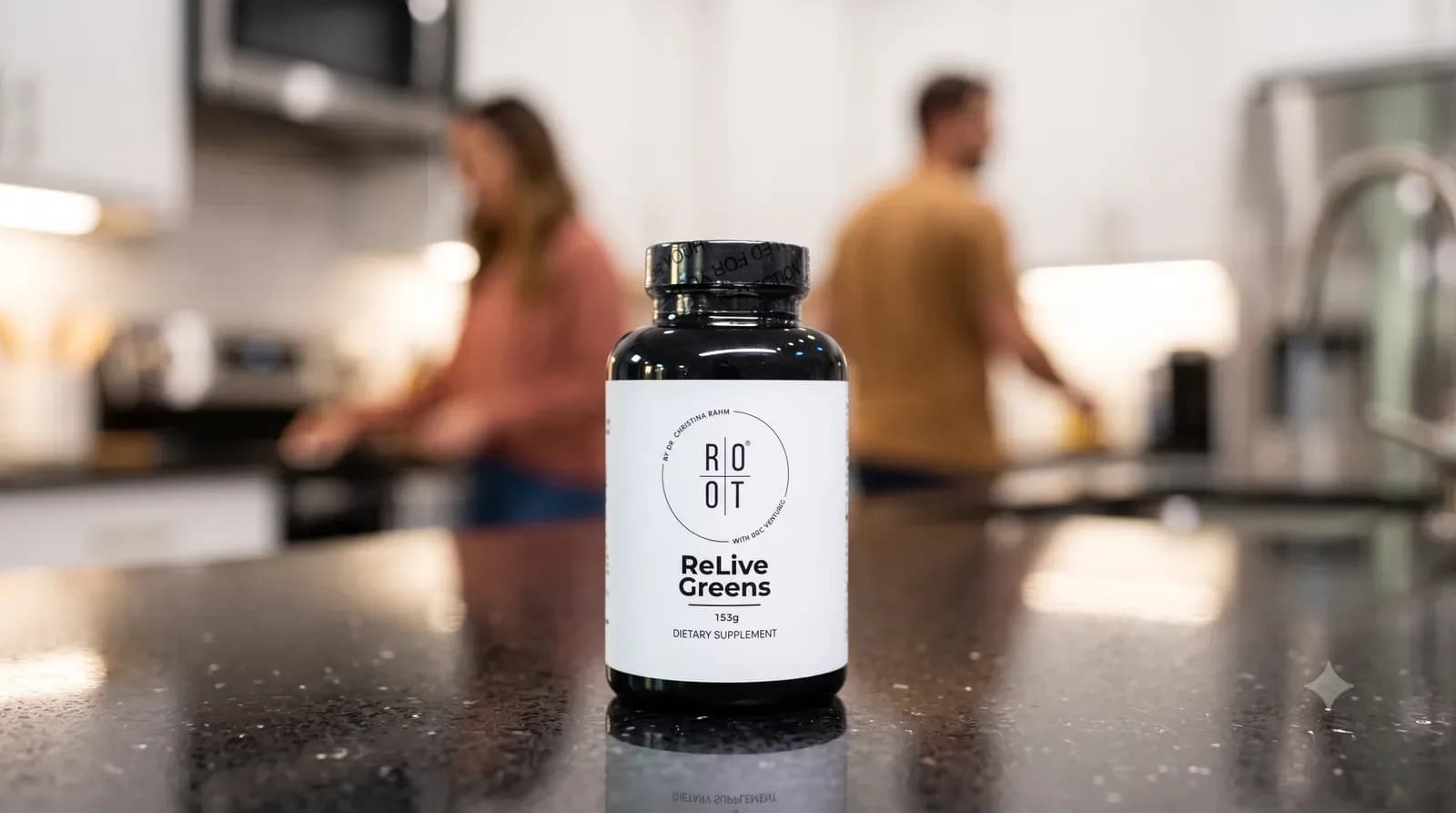
A healthy gut microbiome can naturally produce small amounts of molecular hydrogen (H2) while fermenting dietary fibre, and researchers are studying this molecule for its possible role in oxidative stress, though human evidence is still limited. Fibre variety, magnesium-rich foods and plant diversity are the practical levers. This article explains what is known and how everyday food choices, including greens powders such as Relive Greens, can feed gut bacteria.
July 6, 2026 · 5 min read
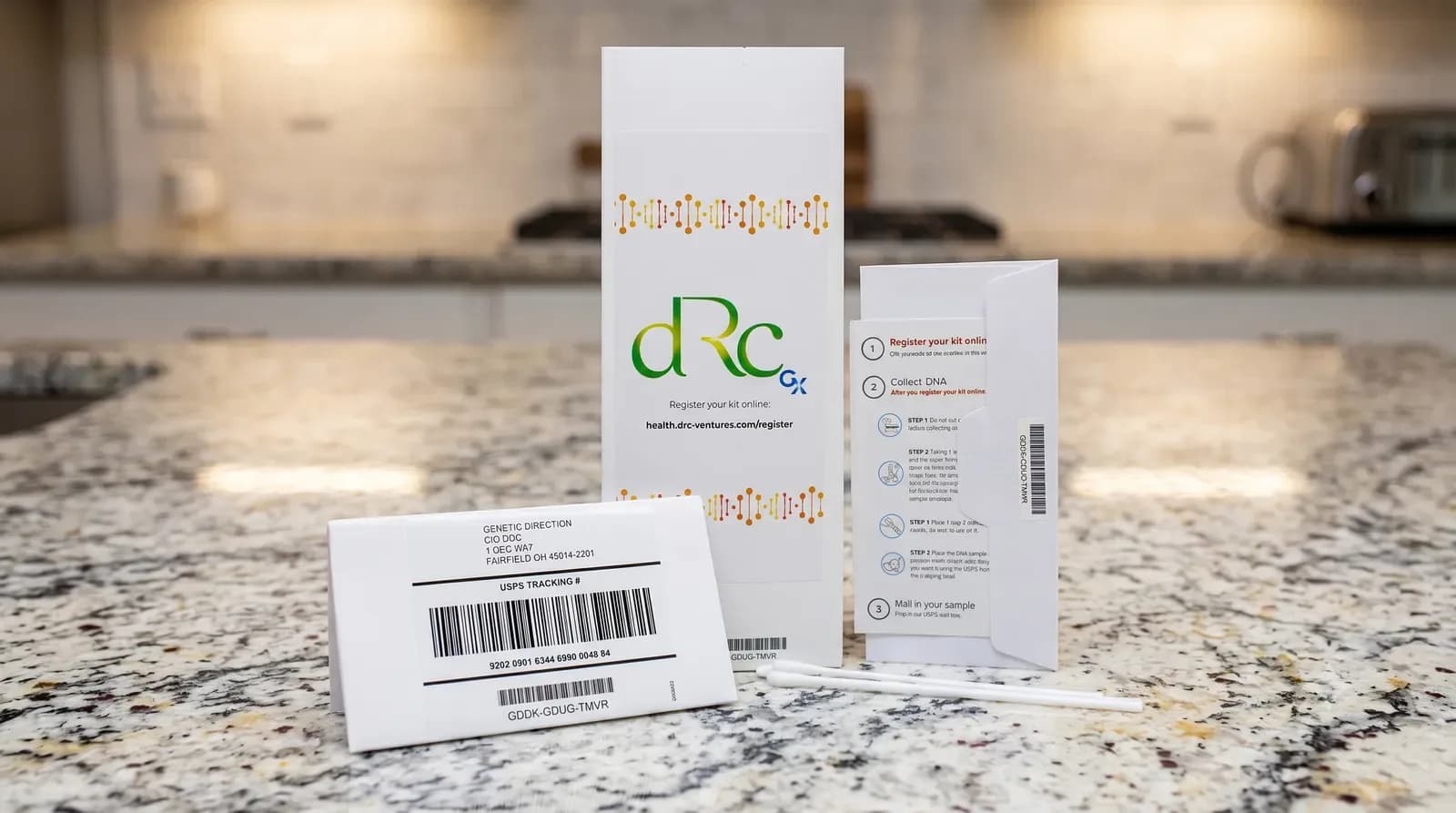
Genes influence how the body handles food, exercise, stress and sleep, and a DNA test can offer clues you can discuss with a professional when planning nutrition and training. Results show tendencies rather than certainties, and they are not a diagnosis. This article explains how DNA information may be used in personalised wellness and where the limits are.

July 6, 2026 · 5 min read
Athletic performance depends on more than muscles: motivation, focus and recovery are shaped by neurotransmitters such as dopamine and serotonin, as well as by sleep. Nutrients like vitamin D, caffeine, L-theanine and L-tyrosine are sometimes discussed in this context, though evidence for performance gains varies and the basics of training, food and rest come first. This article explains the role of these brain chemicals and the nutrients commonly mentioned.
July 6, 2026 · 5 min read
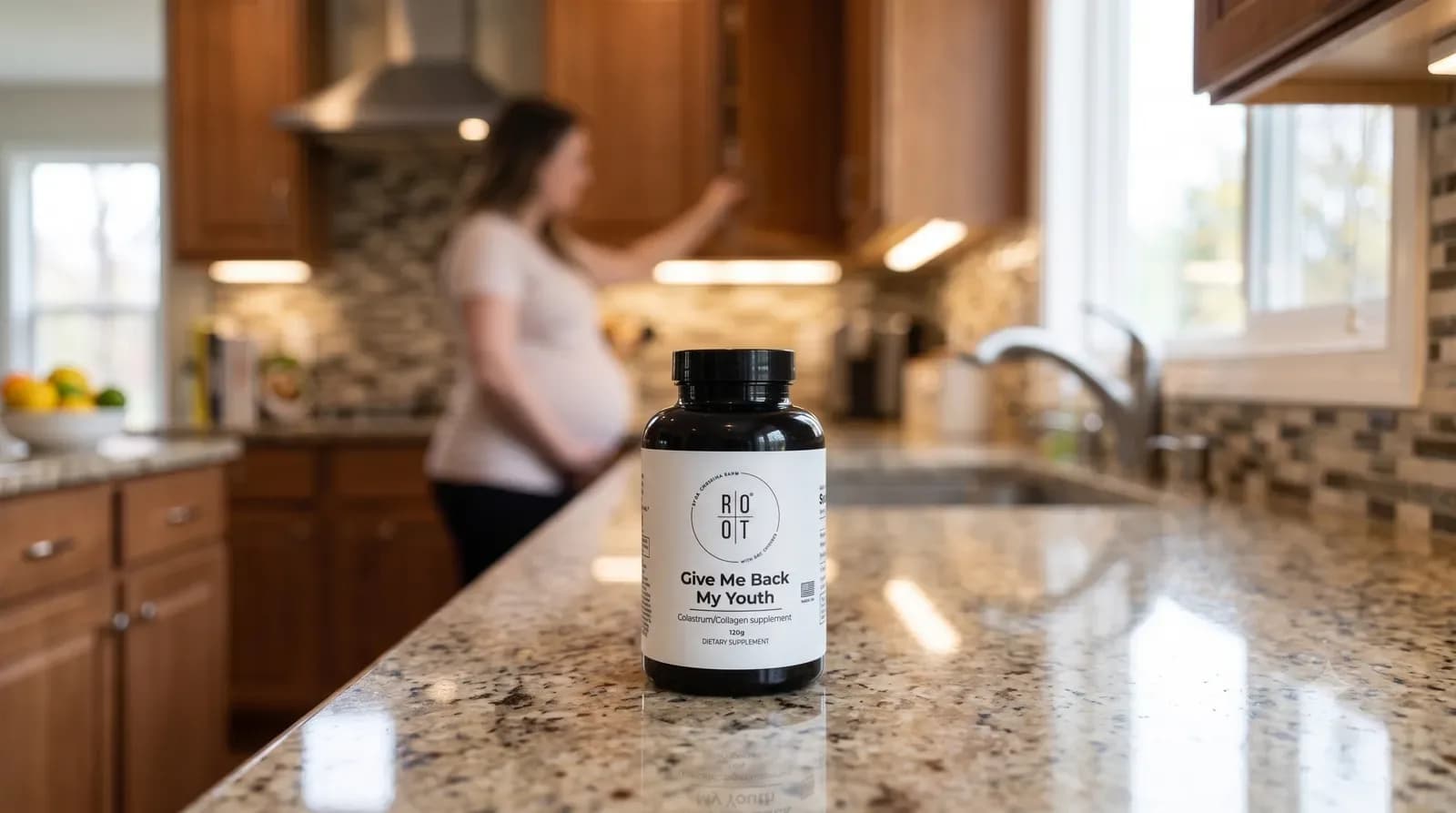
Pregnancy and the weeks after childbirth place high demands on the body, and nutrition supports tissue repair, immune function and recovery, although no supplement replaces a balanced diet or medical care. Bovine collagen and colostrum are sometimes discussed as nutritional support during this time, but research in pregnant and breastfeeding women is limited, so they should only be used with a healthcare provider's guidance. This article reviews the topic.
July 6, 2026 · 6 min read
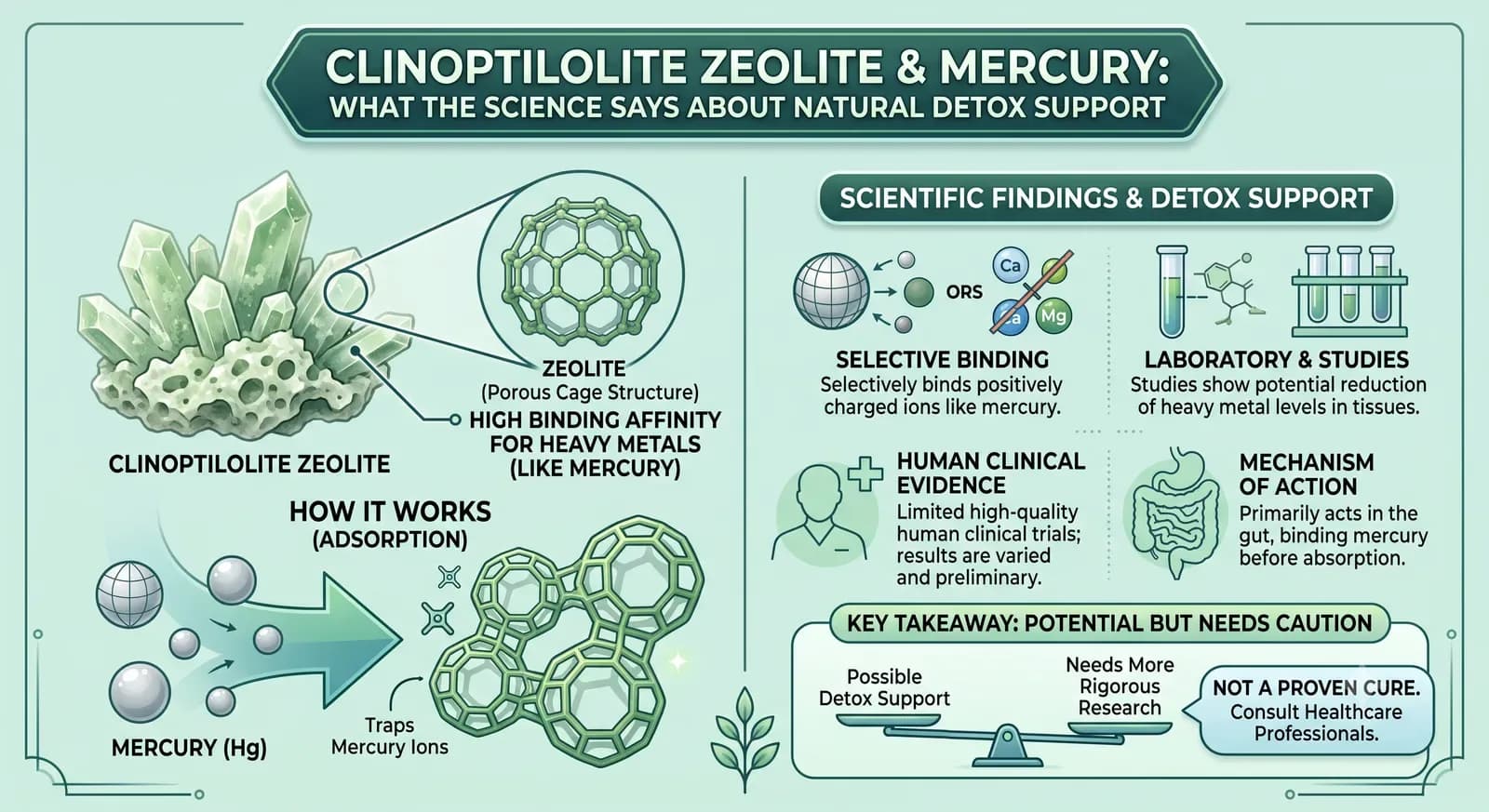
Clinoptilolite is a natural zeolite mineral with a porous structure that can bind certain heavy metals, and published studies show it can remove mercury from industrial wastewater through ion exchange. Those findings come from environmental engineering and laboratory work, not from trials proving it removes mercury from the human body, and the body has its own cleansing systems. This article explains the research, what it does and does not show, and why additional clinical studies are needed.
June 30, 2026 · 5 min read
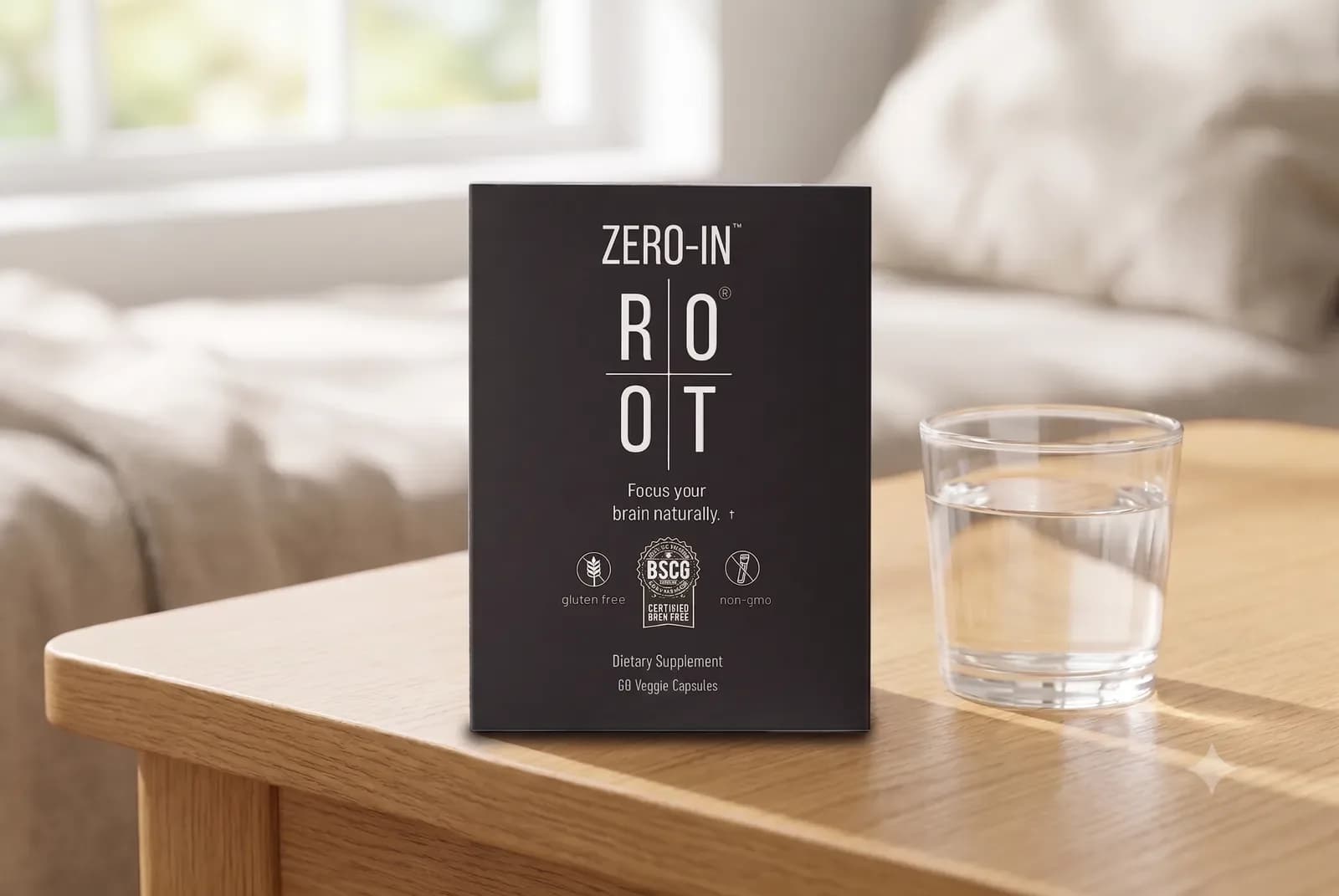
Focus and memory depend first on sleep, exercise, nutrition and stress management, and nootropic supplements may offer modest support for some people. Evidence varies by ingredient, and results are individual. This article explains what nootropics are, which ingredients are commonly studied and the daily habits that support a sharp mind.
June 29, 2026 · 6 min read
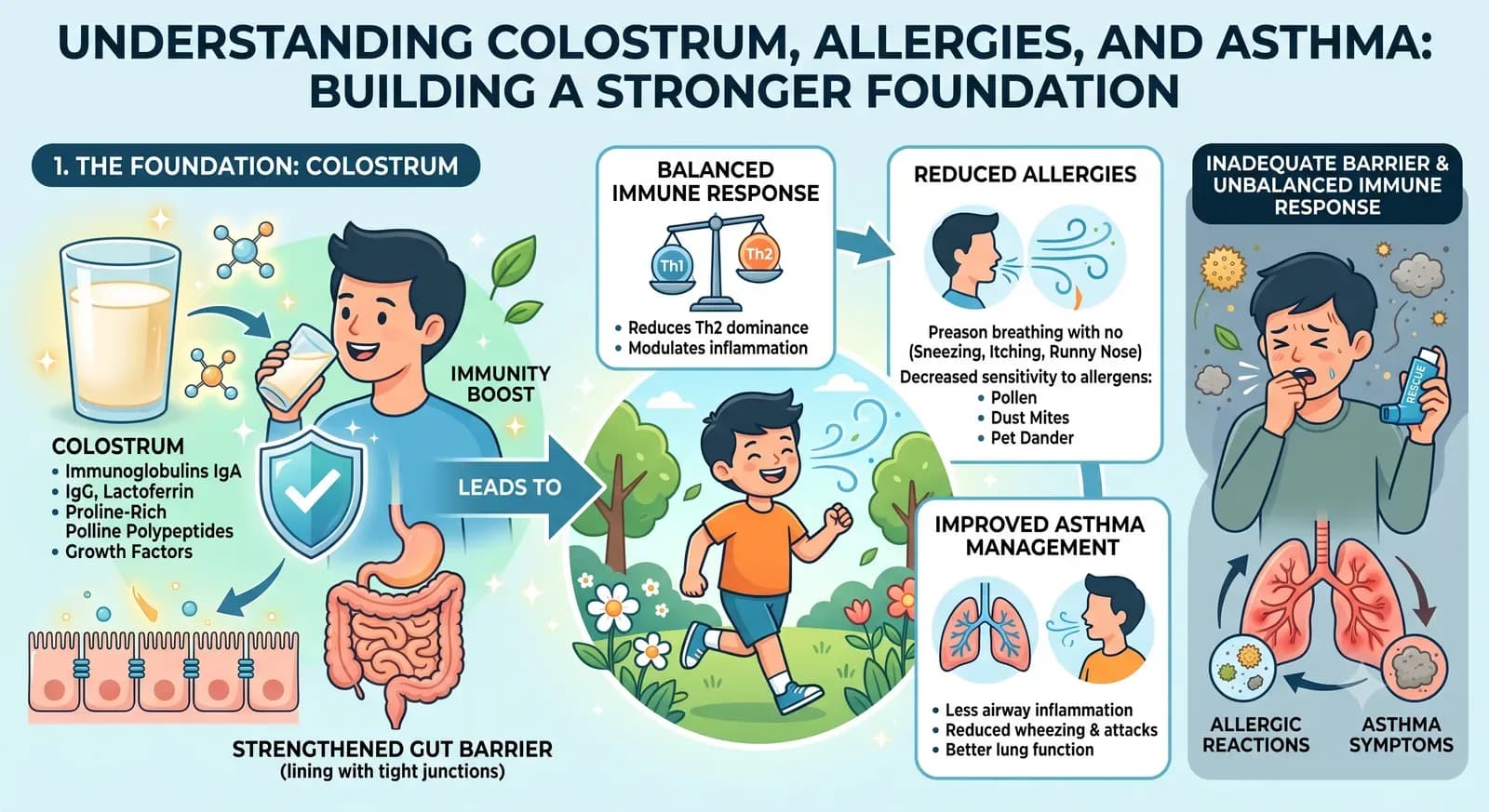
Allergies and asthma are common inflammatory conditions managed under medical supervision. The possible relationship between colostrum, immune regulation, gut health and respiratory infections is being studied, but evidence is limited. Colostrum does not replace asthma medications, rescue inhalers or physician care.
June 29, 2026 · 4 min read
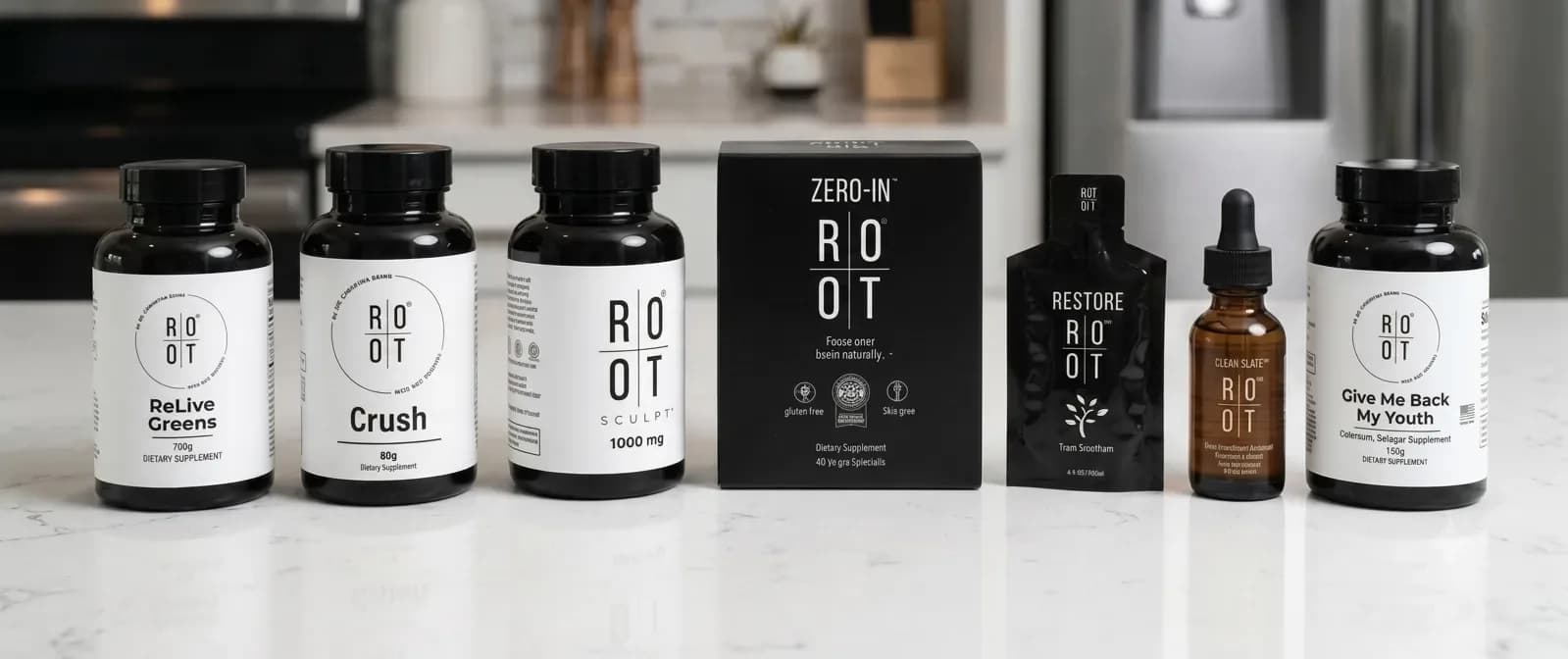
Supplement quality shows in sourcing, testing and manufacturing, not in front-label wording. Questions to ask when reading a label, with a checklist.
June 26, 2026 · 6 min read
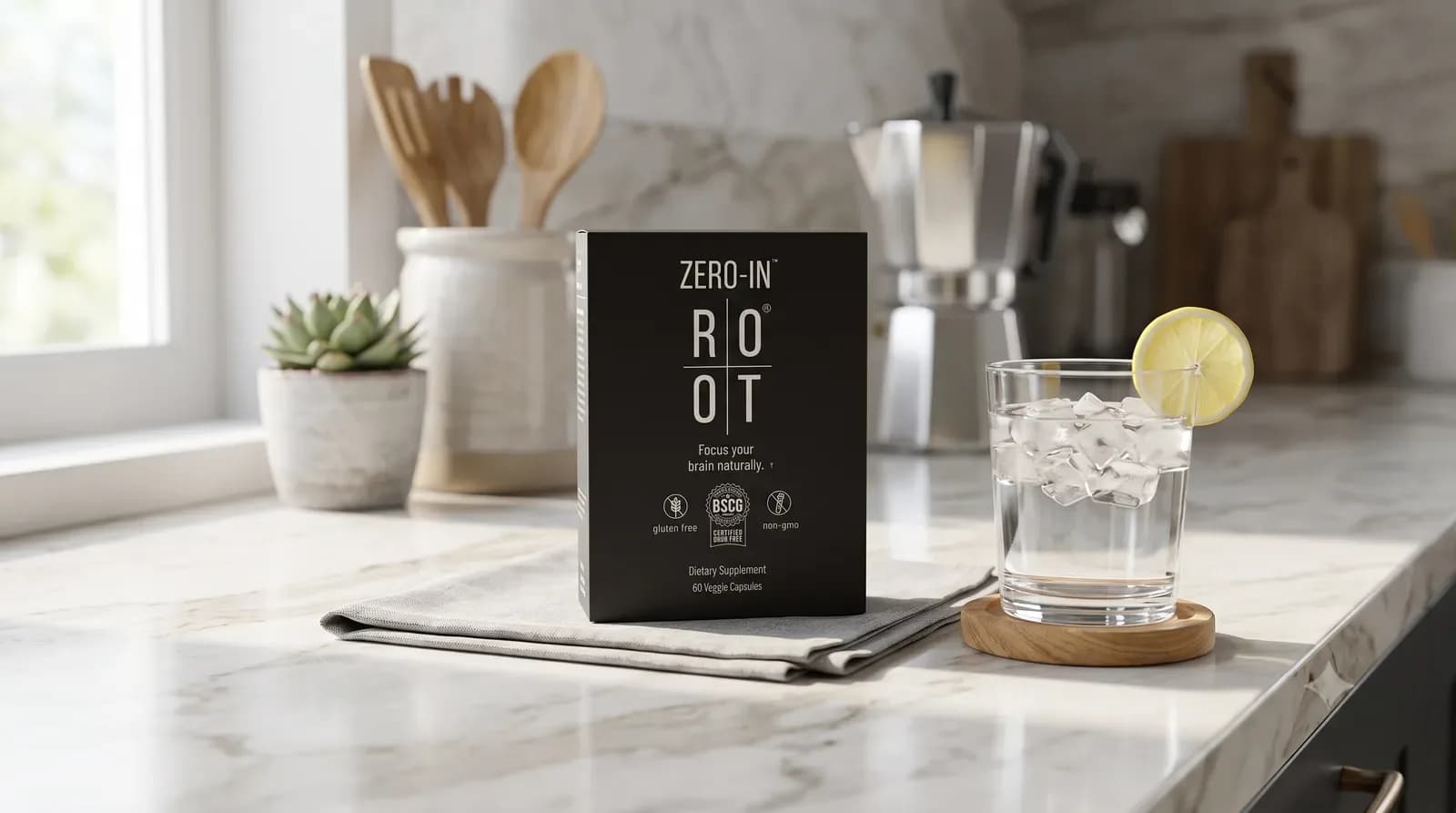
When choosing a quality nootropic, look beyond caffeine: amino acids, researched botanicals, a transparent label and quality testing. A checklist you can use before you buy.

June 25, 2026 · 4 min read
Mental fatigue and difficulty focusing in long workouts is a common topic for athletes. This article covers the role of nutrition, sleep, hydration and recovery, plus a case example of an open-water swimmer with his own subjective observations. A single case is not evidence; supplements do not replace a healthy lifestyle.

June 25, 2026 · 6 min read
After about age 30 people gradually lose muscle mass, and the loss speeds up with inactivity, which affects strength, metabolism and blood sugar control. Resistance training two to three times a week, enough protein, good sleep and patience are the best-supported ways to build muscle and reduce fat after 40. This article explains why muscle matters and what your body needs to support it.

June 19, 2026 · 4 min read
This article describes the nutritional support program of a martial artist who trains 8-10 hours a day, along with his own subjective observations. It is a single case report and not evidence that any supplement works. The basics of sports nutrition are enough protein, hydration, sleep and recovery.
June 18, 2026 · 5 min read
A factual look at Ghost Amino, Kaged Aminos, 1st Phorm Opti-Amino and Crush through the lens of BCAAs, EAAs, HMB and electrolytes.
June 18, 2026 · 4 min read
A long ingredient list does not signal quality. Here is how to read a supplement label for dose, evidence and transparency, with a two-ingredient example.
June 16, 2026 · 3 min read
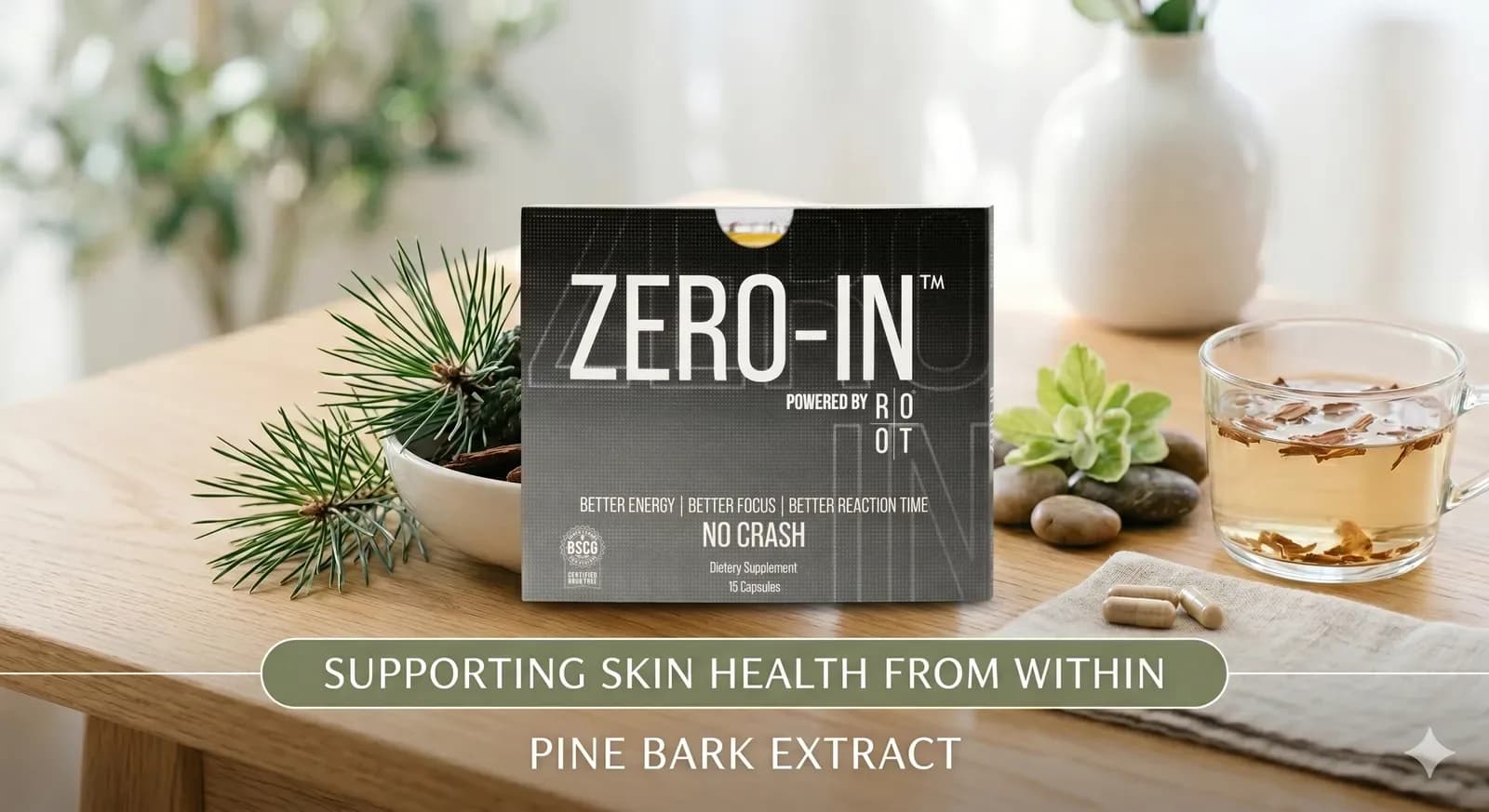
Pine bark extract has antioxidant and anti-inflammatory properties and has been studied for skin health, including elasticity and hydration, but there is little direct evidence that it clears acne. Acne depends on hormones, genetics and skin care, and persistent or severe acne should be assessed by a dermatologist. This article reviews what is known about pine bark extract and skin.
June 16, 2026 · 5 min read
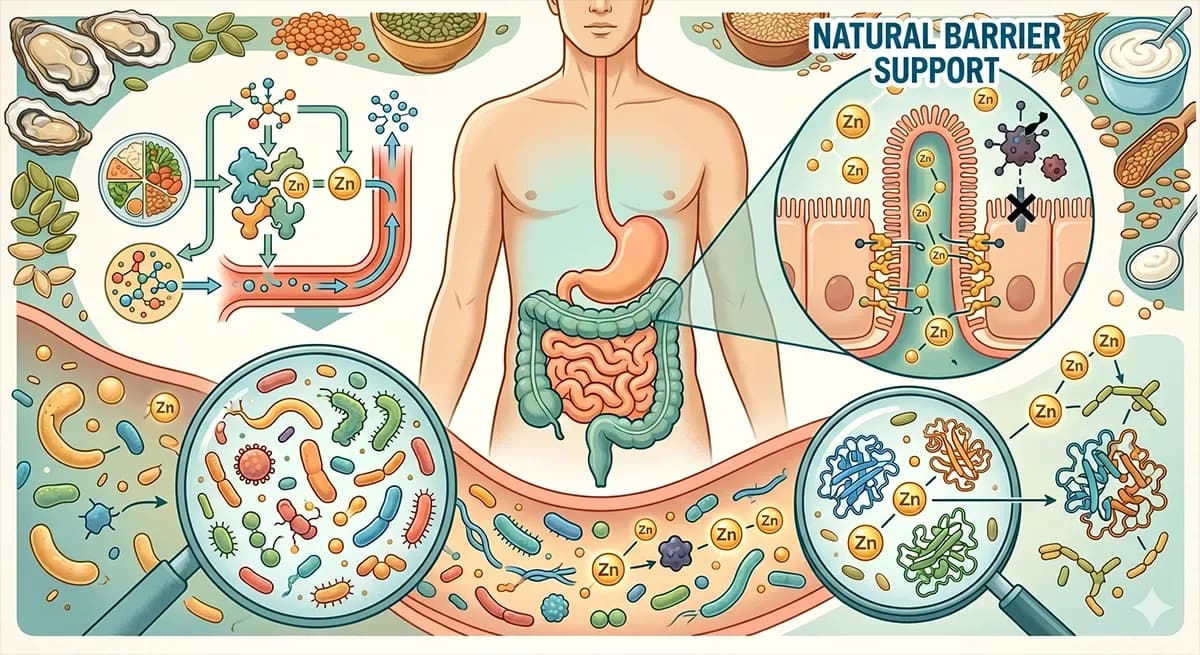
How is zinc linked with gut health, barrier integrity, digestive enzymes and immunity? Daily needs, food sources, the upper limit and supplement forms are covered here.

June 15, 2026 · 5 min read
Competitive gaming demands sustained attention, quick decisions and long practice hours, so many players look beyond sugary energy drinks to steadier sources of focus. Sleep, hydration, balanced meals and breaks are the foundation, and any caffeine-containing product should be used in moderation. This article looks at esports nutrition and how Zero-In is positioned.
June 10, 2026 · 5 min read
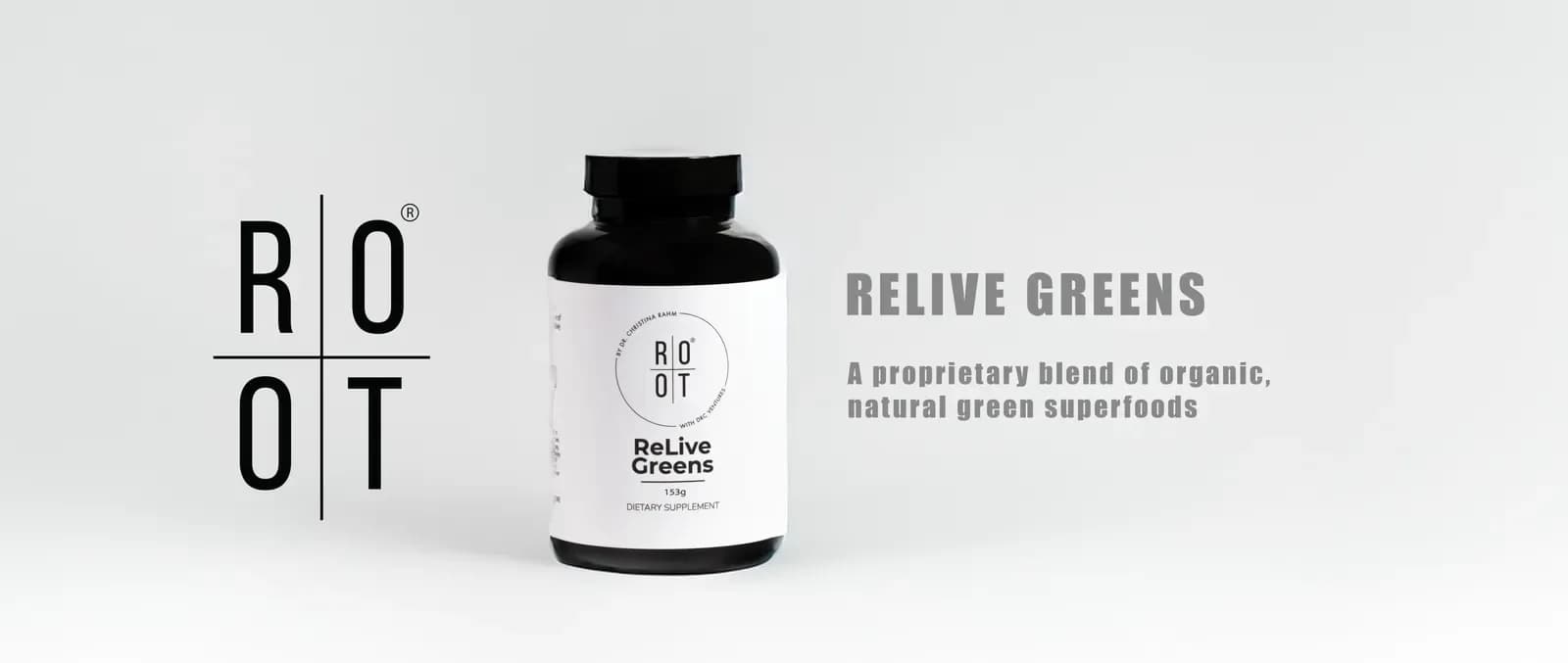
A fair comparison of Relive Greens and AG1 on ingredients, fiber, serving size and cost, plus what to look for on the label and who each might suit.

June 9, 2026 · 9 min read
Many people carry work stress home, which can reduce the attention available for family and rest. Simple transition rituals, such as a short walk, changing clothes or a few minutes of quiet before walking through the door, can help create a boundary between work and home. This article explores why being present at home matters and practical ways to make the shift.
June 8, 2026 · 4 min read
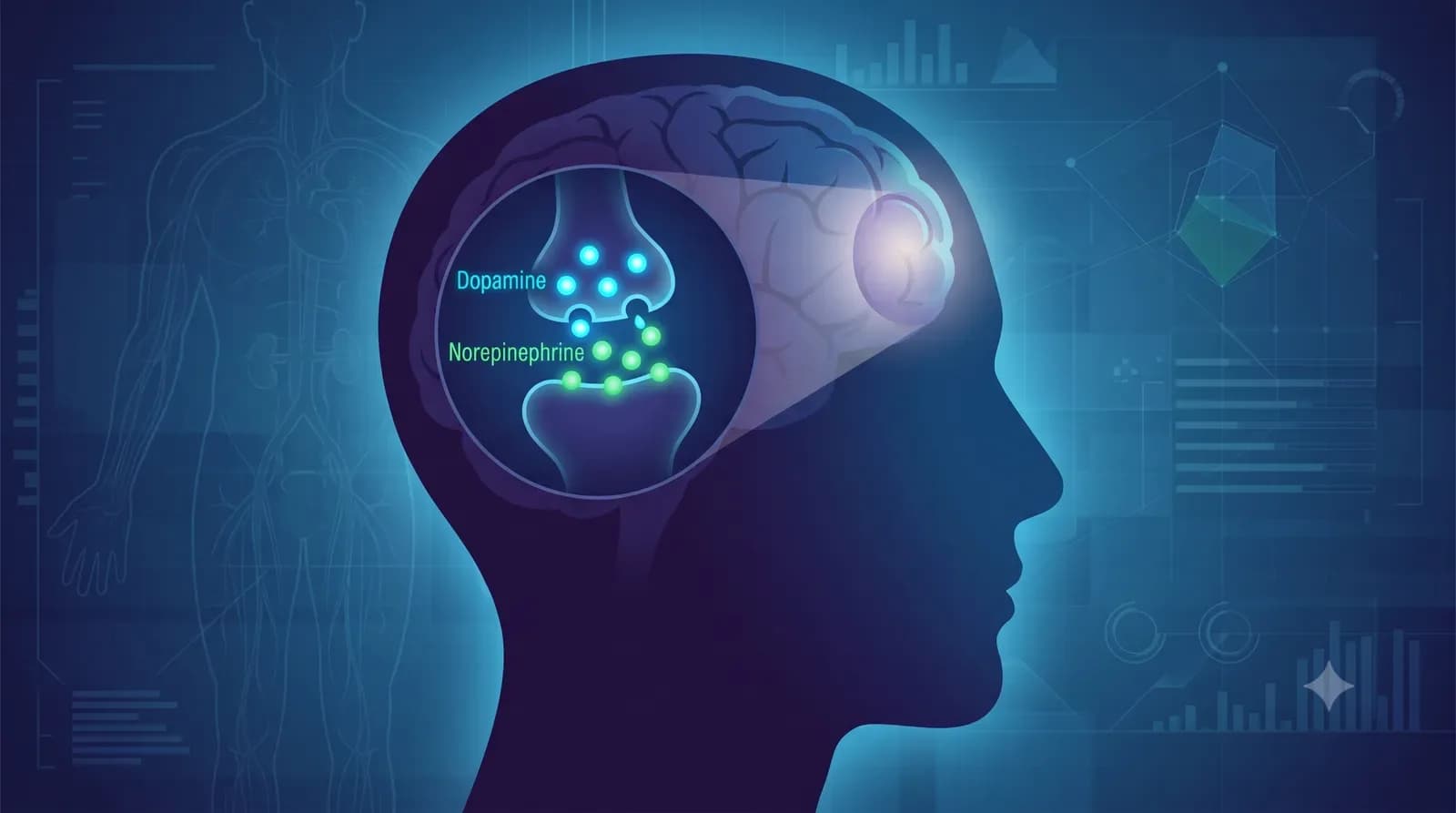
N-acetyl-L-tyrosine is a form of tyrosine used to make dopamine and norepinephrine, and it has been studied in relation to cognitive load under stress. This article describes its place in Zero-In at a neurochemical level. NALT makes no disease-treatment claim and does not treat ADHD; consult a specialist about any health concern.
June 8, 2026 · 6 min read
Inflammatory bowel disease (IBD) is a chronic condition managed under medical supervision. The possible relationship between colostrum, the gut barrier and inflammatory signaling is being studied, but evidence is limited and early. This article summarizes current research and safety considerations; colostrum does not replace medical treatment, and people with IBD should talk to their doctor before using it.
June 4, 2026 · 6 min read
We examined the "detox first, then peptides" idea: what peptide signaling is, where the evidence on detox products and clinoptilolite stands, and what the body's own clearance system does.
June 2, 2026 · 5 min read
Research on GLP-1 medications is looking not only at weight but also at brain areas related to appetite, reward and attention. This article covers that research and the place of basics such as nutrition, sleep and movement in the discussion, as general information. For decisions about prescription medications, always consult your doctor.
June 2, 2026 · 4 min read
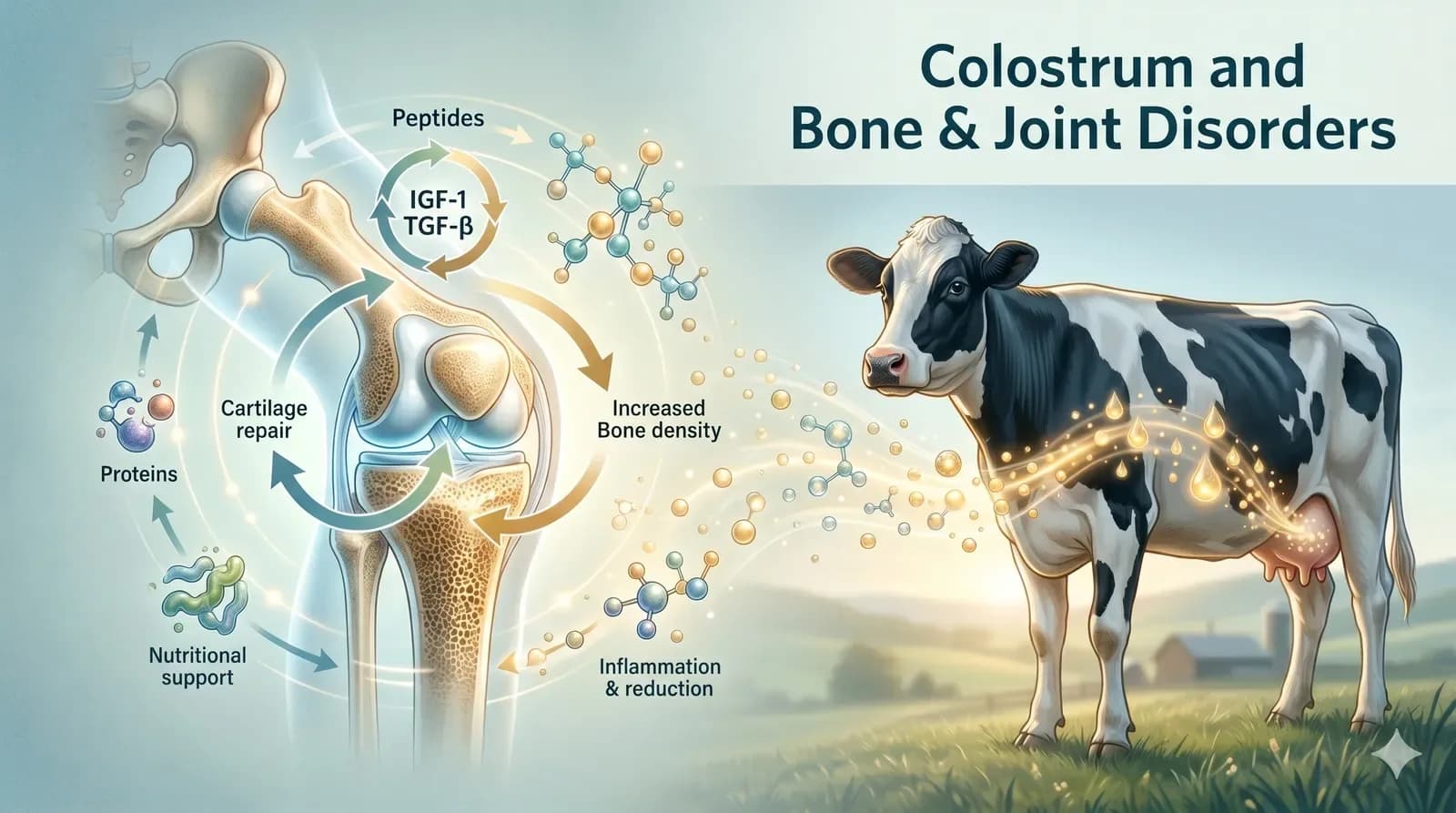
Bovine colostrum contains growth factors, proteins and immune-regulating compounds that researchers have explored in relation to joint and bone health, exercise recovery and inflammation, but human evidence is limited and mostly preliminary. It is not a treatment for osteoporosis or arthritis, and anyone with joint disease should follow their doctor's advice. This article summarises the research areas and what is and is not known.

May 22, 2026 · 5 min read
Pine bark extract, sold as Pycnogenol, has been studied for its effects on microcirculation, vascular function and antioxidant activity, with some small trials in people with circulation-related complaints such as leg heaviness or swelling. Results are promising but limited in size, and swelling can be a sign of a medical condition that needs a doctor's assessment. This article reviews how pine bark extract is thought to work and what evidence exists.

May 7, 2026 · 5 min read
Collagen does not cause weight loss on its own. We look at the body-fat findings in some studies, where the evidence stops, and how collagen can fit into a daily routine.

May 6, 2026 · 4 min read
After a traumatic brain injury, people can experience difficulties with attention, memory and mental stamina. This article explains tyrosine's role in neurotransmitter synthesis and why N-acetyl-L-tyrosine is not a treatment in this context. Any supplement after an injury should only be considered under medical supervision.

May 6, 2026 · 4 min read
N-acetyl-L-tyrosine (NALT) is a form of the amino acid tyrosine, used to make dopamine and norepinephrine, and has been studied in the context of cognitive load under stress. This article explains the relationship between attention, executive function and neurotransmitter demand. Tyrosine and NALT do not treat ADHD or any other disease; talk to a healthcare professional if you are concerned.

May 6, 2026 · 4 min read
N-acetyl-L-tyrosine (NALT) is a form of the amino acid tyrosine, a building block of dopamine and norepinephrine, which are involved in motivation, mood and the stress response. Research on tyrosine suggests possible benefits for mental performance under short-term stress, but it is not a treatment for mood disorders and evidence for NALT specifically is limited. This article explains the science, its boundaries and where Zero-In fits.

May 6, 2026 · 3 min read
Burnout is described as a state of exhaustion from prolonged workplace stress rather than a medical disease, and chronic stress is thought to affect catecholamines such as dopamine and norepinephrine that support motivation and focus. Tyrosine, an amino acid precursor to these chemicals, has been studied in short-term stressful situations, though evidence for helping with burnout is limited and sleep, workload and support matter most. This article reviews the science behind stress, tyrosine and N-acetyl-L-tyrosine.
April 27, 2026 · 5 min read
Does collagen really help joint health? We look at the research on bovine collagen peptides and joint comfort, the doses used, their limits and what actually decides joint comfort.
April 25, 2026 · 5 min read
Bovine collagen supplies amino acids and colostrum supplies immunoglobulins and lactoferrin, yet most research on both was not carried out in pregnant or breastfeeding women. Here is what is known and what to ask your midwife or doctor.
April 24, 2026 · 5 min read
Obstructive sleep apnea is repeated blockage of the upper airway during sleep and is associated with excess weight. This article covers symptoms, options besides CPAP and the place of weight management in overall health, as general information. Decide on any change to CPAP therapy only together with your doctor.