
Semaglutide and Adaptogen Blends: The Difference Between a Prescription Drug and a Food Supplement
Semaglutide is a prescription medication, while adaptogen blends are plant ingredients sold as food supplements; they are not interchangeable. This article compares both in terms of mechanism, state of clinical data and side effects. Do not swap or combine a prescription medication with a supplement; always speak to your doctor.
By Root Health TürkiyePublished Updated 5 min read
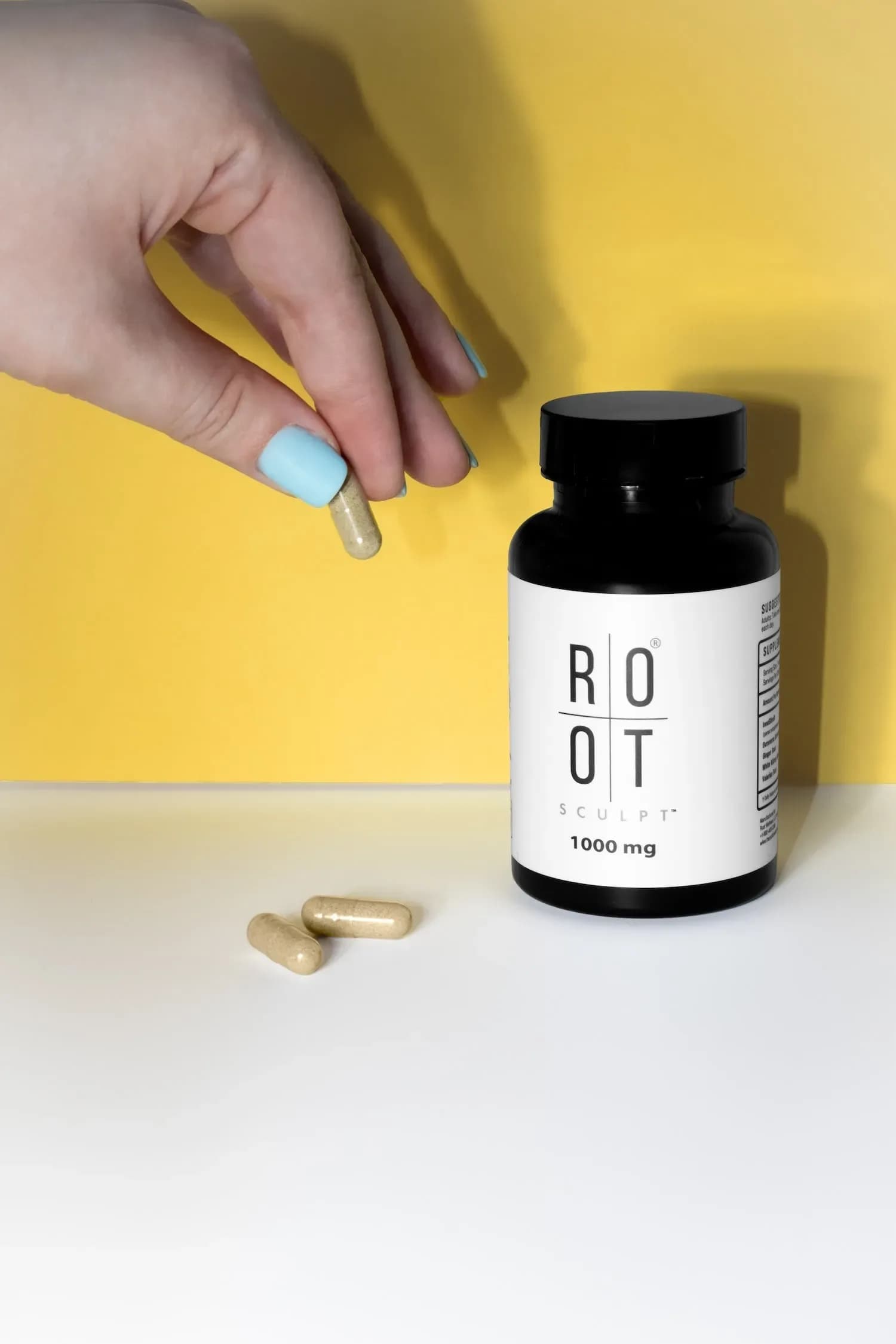
Semaglutide is a prescription medication, while adaptogen blends are plant ingredients sold as food supplements; they are not interchangeable. This article compares both in terms of mechanism, state of clinical data and side effects. Do not swap or combine a prescription medication with a supplement; always speak to your doctor.
Semaglutide and proprietary adaptogen blends, such as Gymnema Sylvestre, White Kidney Bean, Panax Notoginseng, Ginger Root, Valerian Root and Astragalus Membranaceus powder, are both mentioned in conversations about metabolism, blood sugar, insulin and hunger. This summary will provide an in-depth comparison of these two approaches based on existing research, outlining their mechanisms, benefits, and potential side effects.
- Semaglutide: Mechanism, Benefits, and Side Effects Mechanism of Action: Semaglutide is a glucagon-like peptide-1 (GLP-1) receptor agonist that stimulates insulin secretion, inhibits glucagon release, and slows gastric emptying. By mimicking the GLP-1 hormone, it acts on blood sugar regulation, insulin secretion and feelings of fullness, which reduces food intake in people it has been prescribed for.
What Studies Report About Semaglutide:
- Metabolism: Semaglutide has been studied for its effect on weight through reduced appetite, including in people with metabolic syndrome.
- Blood Sugar: Clinical trials have reported lower HbA1c levels in people with Type 2 diabetes.
- Insulin: Semaglutide increases insulin secretion in a glucose-dependent way, and severe hypoglycemia was uncommon in trials.
- Hunger: The compound delays gastric emptying and increases feelings of fullness, which can reduce calorie intake.
Potential Side Effects of Semaglutide:
- Gastrointestinal Issues: Common side effects include nausea, vomiting, and diarrhea, especially at the beginning of treatment .
- Risk of Pancreatitis: Long-term use has been associated with a potential risk of pancreatitis .
- Gallbladder Issues: Increased reports of gallbladder disease and gallstones .
- Thyroid Cancer Risk: There is a small but noted risk of thyroid tumors .
- Adaptogenic Blend: Mechanism, Evidence and Side Effects Mechanism of Action: Adaptogens like Gymnema Sylvestre, Panax Notoginseng and Astragalus Membranaceus are plant ingredients studied in relation to stress responses, energy metabolism and immune function; evidence in humans is limited. Some of these compounds are also studied in relation to carbohydrate metabolism and appetite.
What Is Said About the Adaptogenic Blend:
- Metabolism Support:
- Blood Sugar Control:
- Insulin Management:
- Hunger Management:
Potential Side Effects of Adaptogenic Blend:
- Gastrointestinal Disturbances: Some individuals may experience bloating, gas, or nausea, particularly with White Kidney Bean or Gymnema Sylvestre .
- Allergic Reactions: Rare but possible allergic reactions to specific herbal components, such as Ginger or Valerian Root .
- Interactions with Medications: Adaptogens like Panax Notoginseng may interfere with blood thinners, and Astragalus could potentially interact with immune-suppressing medications .
- Sedation: Valerian Root may cause drowsiness in some users, particularly when taken in higher doses .
- Combining Semaglutide with Adaptogenic Blends: Synergistic Effects
- Side-by-Side Comparison of Benefits and Risks
Factor | Semaglutide | Adaptogenic Blend | Combination |
|---|---|---|---|
Metabolism Support | Studied for energy expenditure and appetite | Studied for energy metabolism and sugar absorption | Potentially synergistic for greater effect |
Blood Sugar Control | HbA1c and insulin sensitivity reported in trials | Limited evidence on blood sugar and insulin sensitivity | Multiple mechanisms discussed |
Insulin Management | Stimulates insulin secretion | Insulin sensitivity: limited evidence | Complementary insulin regulation |
Hunger Management | Suppresses appetite | Stress-related eating: limited evidence | May offer better satiety and reduced cravings |
Common Side Effects | Gastrointestinal issues, pancreatitis risk | Gastrointestinal disturbances, drug interactions | Side effects: unknown when combined |
Semaglutide is a prescription medication; adaptogenic blends are food supplements. Semaglutide's effect on weight and glycemic control is supported by clinical data, but side effects such as gastrointestinal disturbances and potential risks (for example pancreatitis) are notable concerns. On the other hand, adaptogenic blends offer a more natural alternative with fewer serious side effects, though their efficacy may vary between individuals.
Supplements are not a substitute for prescription medication, and the two should not be combined or swapped without speaking to your doctor. Future research is required to explore the full potential of this combination in clinical settings.
For more information, visit us: www.therootbrands.com
References
- Wilding, J.P.H. et al. (2021). Semaglutide and Weight Management. The Lancet.
- Davies, M. et al. (2021). Semaglutide in Type 2 Diabetes. Diabetes Care.
- Marso, S.P. et al. (2016). Semaglutide and Cardiovascular Outcomes. NEJM.
- Wadden, T.A. et al. (2021). Effect of Semaglutide on Glycemic Control and Body Weight. Obesity.
- Nauck, M.A. (2021). GLP-1 Agonists and Insulin Regulation. Diabetes.
- Htike, Z.Z. et al. (2017). Efficacy of GLP-1 Agonists. Diabetes, Obesity & Metabolism.
- Blundell, J. et al. (2017). Semaglutide and Appetite Control. Diabetes Care.
- Aroda, V.R. et al. (2019). Semaglutide Gastrointestinal Side Effects. Diabetes Care.
- Rosenstock, J. et al. (2019). Risk of Pancreatitis with Semaglutide. Diabetes.
- Yamada, Y. et al. (2020). Gallbladder Disease with GLP-1. Clinical Endocrinology.
- Drucker, D.J. et al. (2018). Thyroid Cancer and GLP-1 Agonists. Diabetes Care.
- Baskaran, K. et al. (1990). Gymnema Sylvestre in Diabetes Management. J Ethnopharmacol.
- Tiwari, P. et al. (2014). Gymnema Sylvestre and Sugar Metabolism. Phytotherapy Research.
- Yang, Z. et
Frequently asked questions
Do adaptogen supplements replace semaglutide?
No. Semaglutide is a prescription medication; supplements are not medicines and do not replace one.
What are common side effects of semaglutide?
Digestive side effects such as nausea, vomiting and diarrhea are commonly reported; ask your doctor about serious risks.
Can I use both together?
Speak to your doctor before combining them; herbal ingredients can interact with medications.