
What Is a Genetic Methylation Test? Methylation, MTHFR and What Results Mean
A genetic methylation test looks at variants in genes such as MTHFR and MTR that relate to how folate and other nutrients are processed, and the information is used to discuss lifestyle choices with a professional. The test does not diagnose, and the effect of results on health varies from person to person. This article explains what methylation is, how DNA methylation affects gene expression and what can be learned from the results.
By Root Health TürkiyePublished Updated 7 min read
A genetic methylation test looks at variants in genes such as MTHFR and MTR that relate to how folate and other nutrients are processed, and the information is used to discuss lifestyle choices with a professional. The test does not diagnose, and the effect of results on health varies from person to person. This article explains what methylation is, how DNA methylation affects gene expression and what can be learned from the results.
What is Methylation?
Methylation is a chemical process that happens in our bodies that involves adding small molecules (made of one carbon atom and three hydrogen ones) to things like our DNA, proteins, lipids, and neurotransmitters. Adding methyl groups can change how these structures in our bodies function and has been associated with certain health conditions.
How DNA Methylation Affects Gene Expression
The methylation cycle is important to regulating how the information from our genes is used by turning the genes "on" or "off." In methylated DNA areas, the methylation process becomes a barrier and prevents proteins from binding to those sections and DNA and activating them. Because of this, these genes then become deactivated or "turned off." But when our DNA is unmethylated, genes become actives or "turned on," which then allows for the production of RNA and the blend of proteins.
DNA Methylation Patterns and Detection
The patterns of methylation are not permanent. When our genes get passed on, these patterns are mostly erased and reset from generation to generation. This ensures that there is diversity in our genes and promotes the proper development of healthy genetics.
There are a variety of techniques that can be used to detect these methylation patterns, such as methylation-specific PCR (MSP) and whole genome bisulfite sequencing (BS-Seq). Detecting these patterns can give us information about the methylation status across our DNA.
Who Might Benefit from a Methylation Test?
A genetic methylation test can provide helpful information to people with a wide range of health conditions and concerns. Those who might benefit from getting a methylation test could be those with:
- Cardiovascular health
- Mental health and mood-related conditions studied in relation to methylation
- Reduced activity of the body's natural cleansing processes, for example due to toxin exposure, hormone therapy or alcohol use
- Neurological health conditions
- Chronic fatigue
- Cognitive decline
- Cancer risk
What Can You Learn From a DNA Methylation Analysis?
A genetic methylation test can give you information about your cellular processes and how your DNA is regulated, and can show genetic predispositions that might affect the methylation process; it does not replace a diagnosis. By learning about the variations in your DNA methylation profile, you can discuss with a professional which changes to your diet and lifestyle may make sense. Here are a few of the things that a methylation test can analyze:
MTHFR
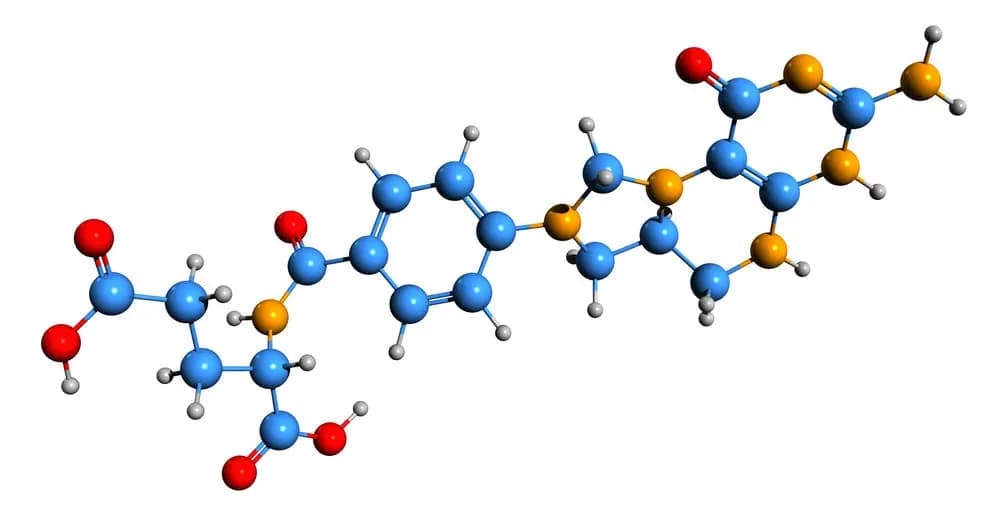
The MTHFR gene provides our bodies with instructions on how to make the MTHFR enzyme that helps our bodies to change vitamin B9 (folate) into its active form, 5-MTHF. If the MTHFR gene does not work properly, we might be unable to convert folate, which would lead to a folate deficiency. A folate deficiency can impact our mood, energy, digestion, etc. This enzyme also helps our bodies absorb and process the amino acid homocysteine. This can matter because elevated homocysteine levels are discussed as a risk factor for cardiovascular health.
MTR
This gene gives our bodies instructions on making the methionine synthase (MS) enzyme, which helps the body convert homocysteine into methionine. Methylation of this gene is essential because the MS enzyme can't convert the homocysteine without methylated B12. If you have a variant of this gene, the way you metabolize homocysteine may be affected, which is being researched in relation to cardiovascular and other health areas.
MTRR
The MTRR gene instructs our bodies on how to make the methionine synthase reductase (MSR) enzyme, which is needed for the MS enzyme that we mentioned above to work correctly. These two enzymes (MS and MSR) work together to modify homocysteine into methionine. Because of this, genetic differences in the MTRR gene can also be associated with high homocysteine levels, which are studied in relation to mood and cardiovascular health.
COMT
Like the other genes, this gene gives our bodies information on how to make another enzyme, called catechol-O-methyltransferase, or COMT for short. COMT helps our bodies absorb and process neurotransmitters like dopamine and epinephrine. COMT is especially important in the prefrontal cortex - the area of our brains responsible for emotion, planning, and self-control. Because of that, studies of variants in this gene examine possible links to behaviour and mental health; findings are not conclusive.
What is a Critical Biochemical Methylation Pathway?
A "critical biochemical methylation pathway" is a series of chemical reactions that regulate various functions in the body, like producing neurotransmitters, gene expression, repairing DNA, detoxification, and other vital functions in the body. These functions all focus on keeping our cells healthy and functioning properly. This crucial biochemical process happens when methyl groups are added to various molecules in our bodies, which essentially becomes something like a biological switch, turning specific genes "on" or "off" depending on what the body needs. This process is important because any disruptions in methylation can cause a variety of health conditions.
Why Should I Get a Methylation Panel?
Getting a methylation panel can help you understand how your methylation pathway is working and help identify any possible health concerns. Getting a genetic methylation test can help you uncover differences or variations in your genes, which can be related to a variety of health concerns. Studies have shown some of the effects of these variations, such as:
- An increase in homocysteine levels - a biomarker for inflammation, which can be related to cognitive decline, heart disease, etc.
- The inability to turn vitamin B9 (folate) into its active form (methylfolate), which would result in a deficiency of this important vitamin and its benefits.
- Variations in genes that may be related to cognitive and mood disorders.
- Changes in the methylation pathway that could affect processes that balance hormone metabolism and the body's natural cleansing processes.
Understanding your methylation genes can give you helpful information on how genetic and environmental factors can impact your health and what lifestyle habits you might want to change. For example, if your results show that you have an MTHFR variation, you will know to increase your intake of folate-rich foods like broccoli, liver, leafy greens, etc., to support better brain and heart health.
How to Test for Methylation
Genetic testing for methylation is done by analyzing markers in your DNA that determine methylation levels, which can give you information about any possible genetic predispositions or health risks. Testing for methylation is usually done with blood or saliva samples. The samples are then collected and sent to a lab to be tested and analyzed for specific patterns in your DNA.
Is DNA Testing Worth it?
Deciding whether to test for DNA depends on your health and genes. If you want to know more about potential genetic predispositions or if members of your family have a history of medical conditions, DNA testing could be beneficial. Knowing your genetic makeup can give you valuable information on how to make informed decisions about your health and lifestyle.
Some of the major benefits of DNA testing are:
- Identifying genetic predispositions to certain health conditions; this information is not a diagnosis.
- The ability to create a personalized diet and nutrition plan that matches your genetic needs.
- Optimizing your fitness routines based on genetic tendencies.
- The ability to assess potential side effects of medications and certain foods.
- Being able to improve overall preventive healthcare strategies.
For those who are concerned about genetic health conditions, a genetic methylation test can be a starting point for understanding how gene expression and methylation patterns might relate to these concerns. DNA methylation tests can help us identify areas where our DNA might be lacking and how to manage these areas to improve our health.
Related topics: At-home test.
Frequently asked questions
What is methylation?
Methylation is a chemical process involved in many body functions that can influence how active genes are.
Who might find the test useful?
People with a relevant family history or those advised by a doctor may find it useful; the decision should be made with a professional.
Do the results diagnose anything?
No; results show tendencies and should be interpreted together with a doctor's assessment.