
Athlete Nutrition: Staying Focused in Long Workouts and a Case Example
Mental fatigue and difficulty focusing in long workouts is a common topic for athletes. This article covers the role of nutrition, sleep, hydration and recovery, plus a case example of an open-water swimmer with his own subjective observations. A single case is not evidence; supplements do not replace a healthy lifestyle.
By Root Health TürkiyePublished Updated 4 min read
Mental fatigue and difficulty focusing in long workouts is a common topic for athletes. This article covers the role of nutrition, sleep, hydration and recovery, plus a case example of an open-water swimmer with his own subjective observations. A single case is not evidence; supplements do not replace a healthy lifestyle.
Elite athletes are always searching for ways to improve their performance. Training for hours, keeping hydrated, getting enough sleep, and eating a balanced diet all help the body recover and perform well. Exercise builds strength and endurance, but the body also needs the right nutrients to repair muscles, support the brain, and keep energy levels up during long workouts. Studies show that nutrition can have a significant impact on how athletes perform, especially during tough training and competitions.
A Professional Swimmer's Performance Challenge
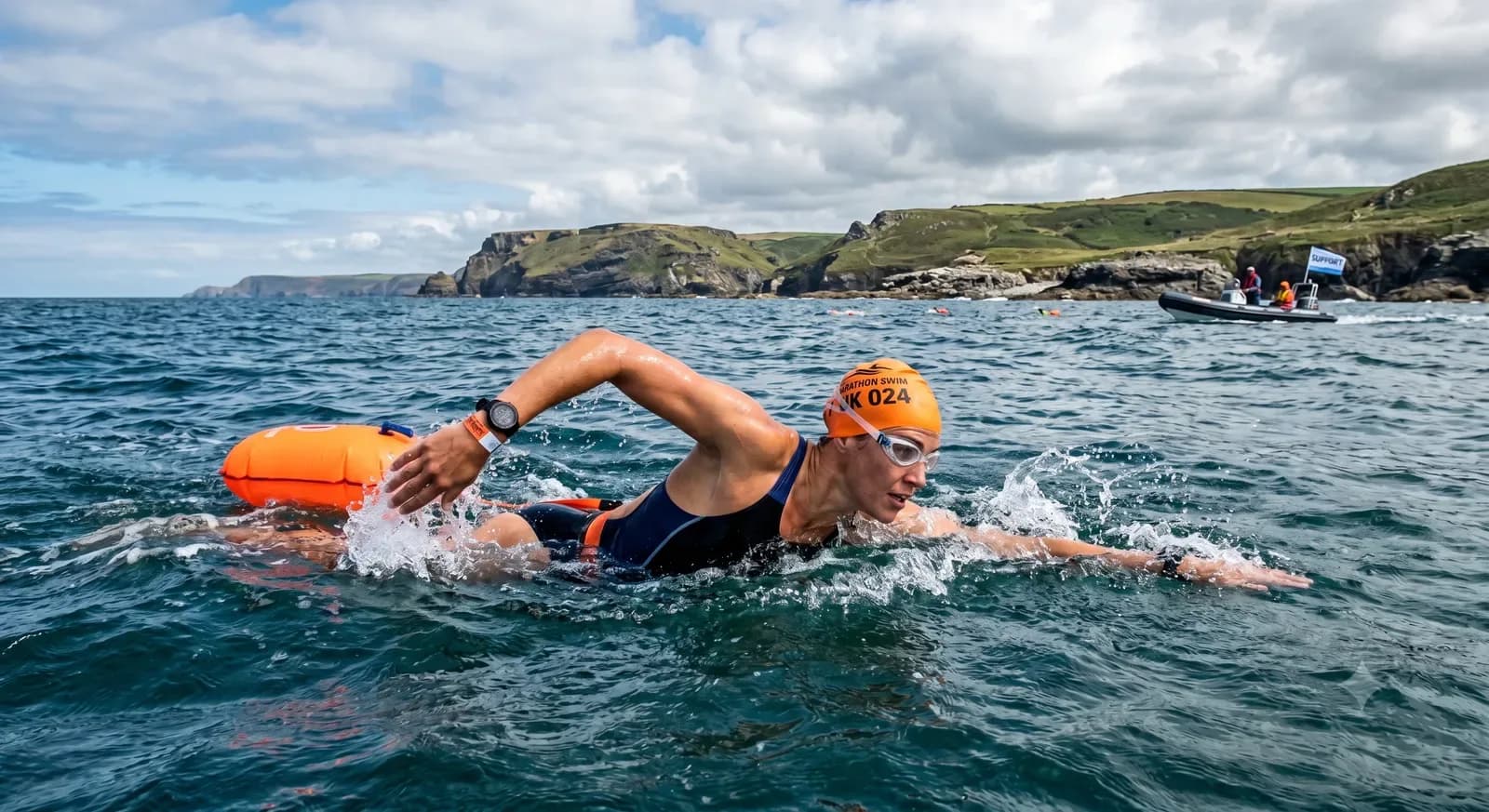
A case study from Hungary looked at a 43-year-old professional open-water swimmer who held world records in his sport. Despite his elite training, he started having trouble near the end of his workouts. He felt mentally tired too soon, lost focus, had trouble concentrating, and found it hard to keep his training rhythm. He was already taking vitamin D3 and vitamin C, but those supplements alone did not fix the problem.
How Targeted Nutrition May Support Mental Focus
To help his performance, he started taking a supplement with N-acetyl L-tyrosine, caffeine, L-theanine, velvet bean seed, pine bark extract, curcumin, and vitamin D. These ingredients have been studied for how they might aid mental focus, alertness, energy, and recovery after exercise. He began with one serving each morning for three days, then increased to one in the morning and another about 30 minutes before training.
Reported Impressions: Focus and Reaction Time
The athlete reported noticing changes quickly. After just five days, he found it easier to stay focused during his workouts. Three weeks later, he felt his concentration and reaction time had improved; this is his own subjective estimate. He also said he could keep his focus and rhythm during the last part of his workouts. These results suggest that targeted nutrition may help some athletes keep up their mental performance during long periods of exercise. Still, since this was only one case study, we cannot say for sure that the supplement alone caused these changes.
What the Research Says About These Ingredients
Scientists have studied several of the ingredients in this supplement. Research shows that caffeine may help with alertness and endurance, while L-theanine may help people stay calmly focused. N-acetyl L-tyrosine is a form of the amino acid tyrosine, which the body uses to make brain chemicals involved in concentration under stress; evidence in humans is limited. Curcumin has been studied for its antioxidant and anti-inflammatory effects, which may help with recovery after hard exercise.
Recovery Is Just as Important as Training
Good nutrition is just one part of the bigger picture. Athletes also need to train well, get enough sleep, stay hydrated, and eat a balanced diet to do their best. Supplements can help support a healthy lifestyle, but they should not replace it. For many athletes, focusing on recovery is just as important as time spent training.
What Athletes Can Learn From This Case Study
This case study shows an important lesson for athletes at any level. Physical performance relies on both the body and the mind. When nutrition helps with both recovery and mental focus, athletes may be better able to train regularly and reach their full potential.
Medical References
Beck, K. L., et al. (2015). Role of Nutrition in Performance Enhancement and Postexercise Recovery. Open Access Journal of Sports Medicine. https://www.ncbi.nlm.nih.gov/pmc/articles/PMC4540168/
Maughan, R. J., & Shirreffs, S. M. (2011). Nutrition for Sports Performance: Issues and Opportunities. Proceedings of the Nutrition Society. https://www.cambridge.org/core/journals/proceedings-of-the-nutrition-society/article/nutrition-for-sports-performance-issues-and-opportunities/EB67515E4D53D70AA1CF4FAC5C83DEE5
Rodriguez, N. R., Di Marco, N. M., & Langley, S. (2009). American College of Sports Medicine Position Stand: Nutrition and Athletic Performance. Medicine & Science in Sports & Exercise. https://pubmed.ncbi.nlm.nih.gov/19225360/
Source: ISNS Case Study: High Performance Athlete – Long Distance Swimmer.
Frequently asked questions
Is a single case study evidence?
No. It reports one person's subjective observations and does not prove a supplement's effect.
What can athletes pay attention to in long workouts?
Hydration, balanced eating, enough sleep and recovery are the basics.
What is known about caffeine and L-theanine?
Caffeine has been studied in relation to alertness and L-theanine to calm focus; responses vary from person to person.