Peptides for Muscle Growth: Amino Acids, Protein Synthesis and Realistic Expectations
Peptides are short chains of amino acids that take part in muscle repair and growth, but most peptide products marketed to lifters have not been proven to build muscle, and some are prohibited in sport or only available as prescription medicines. Protein intake, resistance training, sleep and recovery remain the evidence-based foundations. This article explains how muscle protein synthesis works and how peptides compare with other approaches.
By Root Health TürkiyePublished Updated 9 min read
Peptides are short chains of amino acids that take part in muscle repair and growth, but most peptide products marketed to lifters have not been proven to build muscle, and some are prohibited in sport or only available as prescription medicines. Protein intake, resistance training, sleep and recovery remain the evidence-based foundations. This article explains how muscle protein synthesis works and how peptides compare with other approaches.
How Do Amino Acids Work for Muscle Growth?
Amino acids are often called the building blocks of life, especially when it comes to muscle building. When you eat foods rich in protein, your body breaks them down into amino acids, which then go to work repairing and growing muscle fibers. Eating enough protein helps keep your body's nitrogen balance positive—a good sign that you're on track with muscle metabolism.
Muscle Protein Synthesis Explained
Muscle protein synthesis is basically how your body fixes and rebuilds muscle fibers that get worn out during exercise. Amino acids are crucial here. Whether you get them from your meals or supplements, they kickstart the processes that lead to muscle growth. Take leucine, for example, an amino acid found in eggs, salmon, brown rice, and soybeans. It's known for its strong ability to trigger muscle protein synthesis, signaling your body to promote muscle growth and start building new muscle proteins.
Recovery and Repair
After a tough workout, your muscles might feel sore and tired because of tiny damage in the muscle fibers. Amino acids help speed up the repair of these muscles, so you recover faster and can hit your next workout feeling stronger. This not only helps with recovery but also boosts muscle growth over time.
Essential vs. Non-Essential Amino Acids
There are two types of amino acids: essential and non-essential. Essential amino acids aren't produced by your body, so you need to get them from food or supplements. They're vital for many body functions, including muscle growth. Non-essential amino acids are made by your body, but during times of stress or heavy training, you might need more than your body can produce, so extra supplementation could be helpful.
In a nutshell, amino acids play a big role in muscle growth. They help to start muscle protein synthesis, aid in repairing and recovering muscle tissue, and support overall muscle health. Knowing how they work can help you adjust your fitness plan for better results, whether you're looking to enhance muscle growth, boost your athletic performance, or speed up recovery.
Are Peptides Healthier Than Steroids?
Trying to determine if peptide supplements are a healthier alternative to steroids to stimulate muscle growth isn't a simple yes-or-no question. Both peptides and anabolic steroids can help build muscle and change your body composition, but they work in pretty different ways.
Steroids vs. Peptides for Muscle Growth
Anabolic steroids imitate testosterone, the primary male sex hormone that's crucial for building muscle. While they can lead to significant gains in muscle and strength, they also come with serious risks like increased body fat, liver damage, and hormonal imbalances.
Peptides, on the other hand, take a more indirect route. Some peptides act as secretagogues for human growth hormone (HGH), stimulating your pituitary gland to release more of it.
This boost in growth hormone then prompts your liver to produce insulin-like growth factor (IGF-1), which plays a key role in promoting muscle growth, repair, and recovery. Other specific peptides might mimic the effects of growth factors or hormones that influence muscle synthesis, the process by which your body builds muscle tissue.
While peptides may benefit muscle growth and recovery compared to steroids, they have drawbacks. Research on many muscle-building peptides' long-term safety and efficacy is ongoing. Potential side effects include an increased risk of injury, muscle soreness, and fluctuations in energy levels. Plus, some peptides need to be injected rather than taken orally, like many steroids, which raises concerns about cleanliness and proper injection techniques.
The main difference is that steroids artificially boost testosterone levels in your body, while peptides enhance the signals that help your body produce more of this hormone naturally. This makes peptides a potentially safer option, even though many athletes and bodybuilders still choose to use steroids.
How Does Protein Synthesis Play A Role?
Protein synthesis is the fundamental process behind muscle growth, regardless of whether you rely on natural methods or consider peptides for muscle growth. It's the cellular mechanism by which your body builds new muscle tissue.
Here's how it relates to muscle growth:
Resistance training: When you lift weights or perform other resistance exercises, you create microscopic tears in your muscle fibers. This controlled stress triggers the body's muscle and tissue repair mechanisms.
Amino acids as building blocks: Dietary proteins are broken down into their building blocks - amino acids. These amino acids, especially the essential ones you can't produce yourself, become the raw materials for protein compounds.
Protein synthesis kicks in: After exercise, the body ramps up enhanced protein synthesis to repair the damaged muscle fibers and, more importantly, build them bigger and stronger to handle future stress better. This is what leads to increasing muscle growth and strength gains over time.
How do Peptides for Muscle Growth Fit into this Picture?
Specific peptides can influence muscle growth by indirectly affecting its creation. Here are two main mechanisms:
Growth hormone stimulation
Some peptides act as growth hormone secretagogues. These basically signal the pituitary gland to release more growth hormone. The growth hormone then prompts the liver to produce insulin-like growth factor (IGF-1), a growth hormone-releasing hormone.
Mimicking growth factors
Other peptides might mimic the effects of specific growth factors or hormones that directly enhance muscle protein synthesis. Peptides for muscle growth may benefit building muscle by influencing these pathways, but remember, they're not a magic bullet. A healthy, protein-rich diet provides the essential amino acids your body needs for optimal protein synthesis.
So, while peptides might provide additional support, a well-rounded approach that combines proper nutrition, resistance training, and sufficient rest is still the cornerstone for safe and sustainable lean muscle mass.
Ideal Muscle Mass
Getting to the ideal muscle mass is pretty important for most exercise and fitness fanatics, and it can improve overall health for people of all ages and genders. Having the ideal muscle mass can be important to people for their looks, but it's more than that. It is also associated with metabolic health, physical strength and longevity, and can contribute to a healthier body composition.
Peptides for muscle growth play a crucial role in this process, as these amino acid chains aid in muscle cell repair and promote significant muscle growth.
By stimulating human growth hormone (HGH) release and protein synthesis, peptides like collagen and growth hormone-releasing peptides support muscle enlargement and recovery. They also help increase lean muscle mass while reducing body fat, a crucial factor as muscle naturally declines with age.
But how much muscle is ideal?
The ideal muscle mass percentage ultimately depends on age for both men and women. For example, men between 18-25 should aim for 33-38% of their body weight as muscle mass. Women in the same age group should shoot for 31-35%. These percentages slowly begin to decrease as we age.
Including collagen peptides for muscle growth in your health regimen - with proper nutrition and resistance training - can greatly impact your body composition and improve your bone density and overall well-being. Peptides are invaluable for achieving and maintaining ideal muscle mass across all life stages because they facilitate growth hormone release and fat metabolism, improve energy levels, and reduce muscle soreness.
What Are the Side Effects of Using Peptides for Muscle Growth?
When you use peptides for muscle growth, you're likely looking to enhance muscle mass, improve lean muscle mass, and reduce body fat by stimulating human growth hormone (HGH) and promoting muscle repair and growth.
Peptides are important for boosting muscle cells' growth, enhancing muscle hypertrophy, and supporting muscle recovery. They're designed to work with your body's natural processes to promote protein synthesis, reduce muscle soreness, and help in fat loss, all of which contribute to better body composition and more significant muscle growth and gains. However, using peptides for muscle growth has potential side effects that you should be aware of.
Discomfort
The most common issue with peptides is how they're being used. For example, if you're injecting them, you could experience discomfort at the injection site, like redness, itching, and swelling. While these symptoms are usually mild and can go away on their own, they can become a problem if you aren't administering the injections properly, causing infections.
Hormonal Imbalances
Hormonal imbalances are another possible side effect. If you're overusing peptides, you might experience a hormonal roller coaster, including mood swings, fatigue, and reduced sexual function. Also, long-term misuse may lead to pituitary damage. This can impair your body's ability to produce human growth hormone naturally.
Fluid Retention
Fluid retention can be a common concern for people using peptides for muscle growth. Fluid retention causes swelling and puffiness because your body is holding on to excess fluids. Certain peptides might also directly or indirectly increase blood volume. This extra fluid puts pressure on your blood vessels, which can leak fluid into surrounding tissues, leading to swelling.
Increased Hunger
You might find that you feel hungrier when you're using peptides for muscle growth. This is because some peptides can stimulate the release of ghrelin, a hormone that induces hunger.
Peptides that influence GH often lead to increased IGF-1 levels. IGF-1 not only promotes muscle growth but can also indirectly increase appetite by affecting pathways in the brain that regulate hunger and satiety. This can impact calorie goals and lead to unwanted weight gain if you don't manage this effectively.
Other Potential Side Effects
Besides the side effects listed above, there are some other potential side effects you might want to be aware of if you're using peptides for muscle growth. These might also include but are not limited to:
Nausea
Repeated Headaches
Joint Discomfort
- Possible Increase in Diabetes Susceptibility
Possible Insulin Resistance
Should You Stop Using Peptides for Muscle Growth?
Deciding whether to stop using peptides for muscle growth involves considering several factors, including your health goals, experiences with side effects, and advice from healthcare professionals.
Here are some considerations to help you make an informed decision:
It’s essential to make health decisions based on thorough research, personal health status, and professional advice. If you're considering stopping peptides, discuss it with a healthcare provider to ensure a safe and effective transition to other health and fitness strategies.
Get support for your health and wellness goals with The Root Brands!
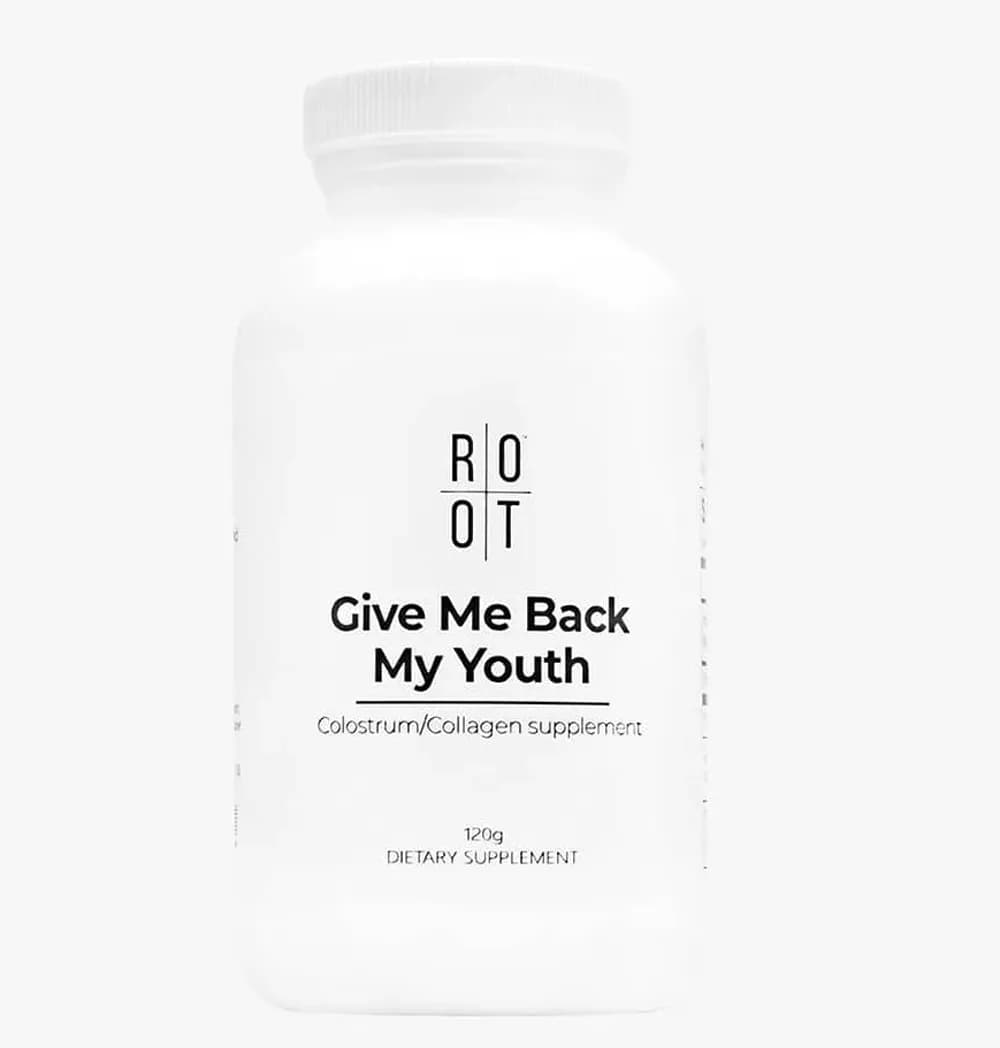
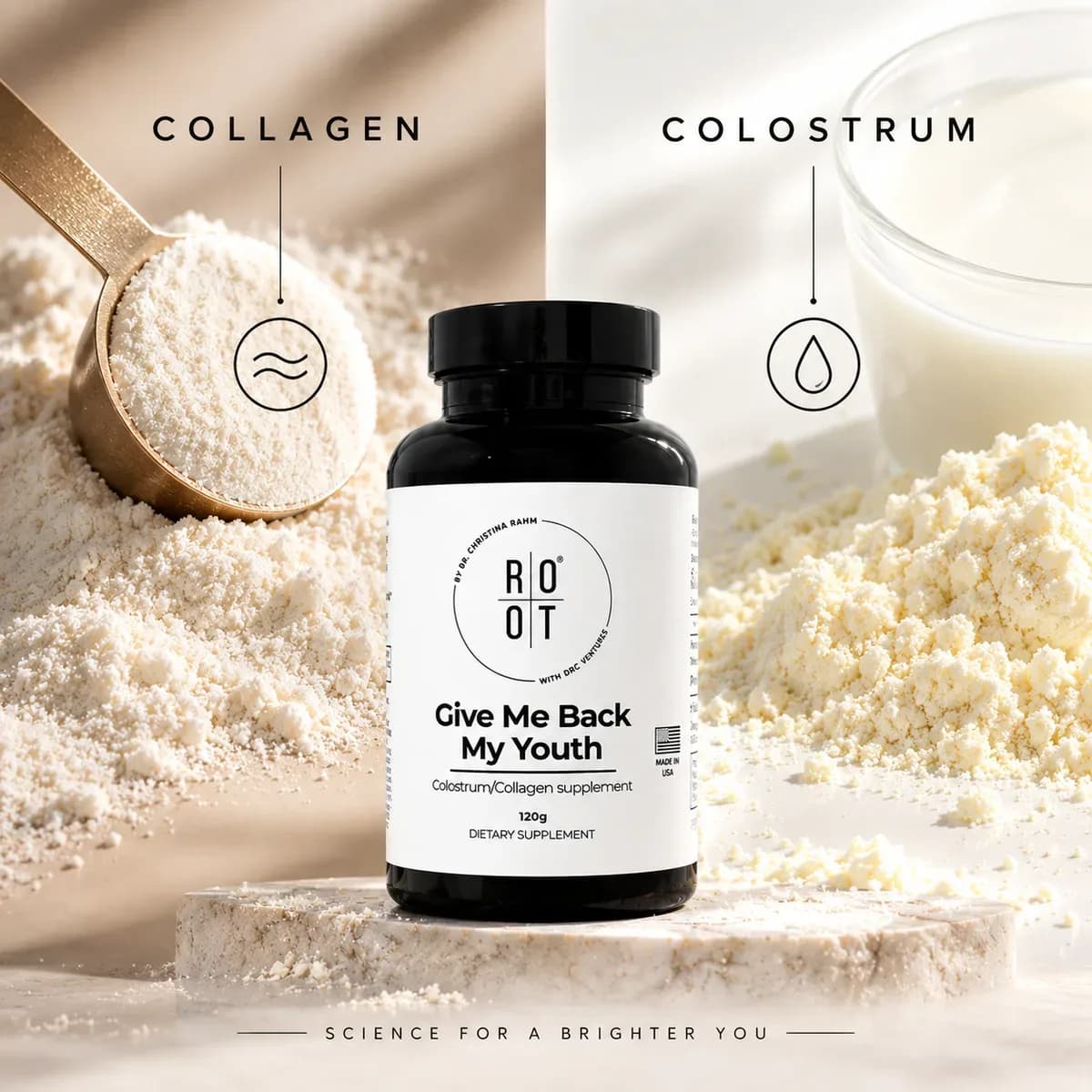
Related topics: Give Me Back My Youth.
Frequently asked questions
Do peptides build muscle?
There is no strong evidence that most marketed peptide products build muscle; the key factors are protein, resistance training and sleep.
Are peptides safer than steroids?
That generalisation is not accurate; products from illegal or unregulated sources can carry serious risks.
Do collagen peptides help muscle growth?
Collagen peptides have been studied alongside resistance training in some trials; effects are limited and do not replace protein needs.