Are Peptides Safe? Collagen Peptides, Supplements and Medical Peptides Compared
Safety depends on the type of peptide: collagen peptides in food supplements are generally well tolerated by most healthy adults, while injectable or research-grade peptides sold online are not the same thing and can carry real risks. Quality, source and dose matter, and anyone who is pregnant, on medication or has a health condition should check with a doctor first. This article explains how to tell the difference and which side effects to watch for.
By Root Health TürkiyePublished Updated 9 min read
Safety depends on the type of peptide: collagen peptides in food supplements are generally well tolerated by most healthy adults, while injectable or research-grade peptides sold online are not the same thing and can carry real risks. Quality, source and dose matter, and anyone who is pregnant, on medication or has a health condition should check with a doctor first. This article explains how to tell the difference and which side effects to watch for.
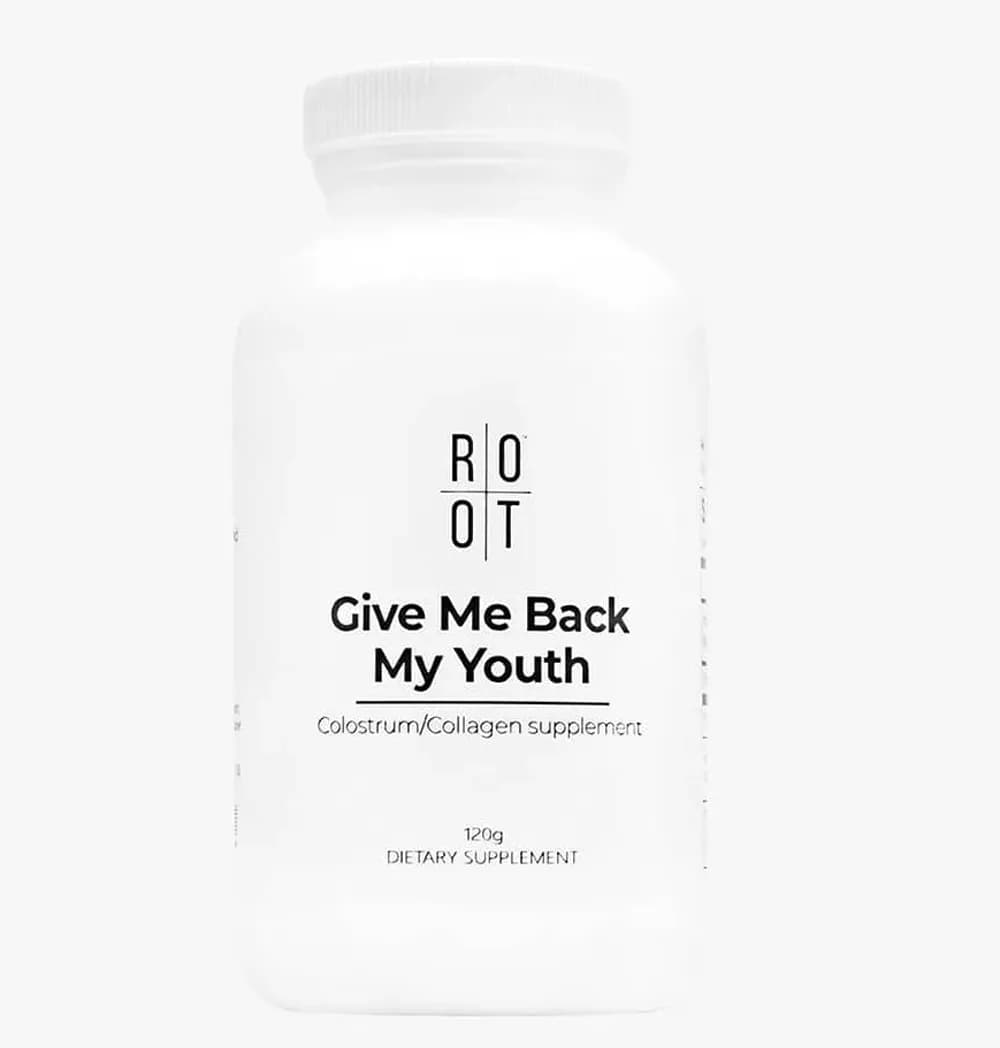
One of the first things to be aware of is that not all peptides are created equal. For example, if you are looking for collagen peptide supplements, check the ingredients and the manufacturer; ROOT Brands is one such company. For example, their product - Give Me Back My Youth (GMBMY) - uses hydrolyzed collagen, which is essentially the same as collagen peptides.
Thanks to this process, the collagen is broken down into smaller, more easily absorbed molecules, maximizing the potential benefits and minimizing the risks associated with lower-quality products!
Learn more about GMBMY here.
What Are Peptides?
In simple terms, peptides are short chains of amino acids generally consisting of between two and 50 acids. Now, they're usually very small, and one way of looking at them is to see them as protein fragments.
These fragments occur naturally in the body and play a significant role in many bodily functions. They're also synthesized in laboratories - for use in medicine, cosmetics, and dietary supplements. The body also uses them for muscle growth and insulin for blood sugar regulation.
What do Peptides Do in Your Body?
Peptides do several different things in the human body, and they're responsible for regulating a number of various physiological processes, including metabolism, immune response, and cell communication.
Some peptides also act as neurotransmitters, allowing nerve cells to communicate with one another. Others, like growth hormone-releasing peptides, stimulate the production of specific hormones. It's also worth pointing out that peptides play a role in wound healing, tissue repair, and muscle growth.
What Are Amino Acids?
As we briefly mentioned, Amino acids are organic compounds that are essentially the "building blocks" of proteins and peptides . There are 20 standard amino acids, and these are used by cells in something known as protein biosynthesis. Amino acids can be categorized into essential amino acids - which must be obtained through diet - and non-essential amino acids, which the body can produce.
What are the Benefits of Taking Collagen Peptides?
One of the most common comparisons people make to collagen peptides is steroids. The reality is that, unlike steroids, peptide supplements offer a mechanism that's much more closely aligned with the body's natural systems - such as skin physiology.
Here's a look at some of the primary beneficial effects of collagen peptide supplementation that users may experience.
Slowing Down the Aging Process
One of the most well-known benefits of taking collagen supplements is their ability to improve skin health and, as a result, slow the aging process. Some studies suggest that supplements containing certain collagen can even reduce skin wrinkles, enhance skin elasticity, boost hydration, and contribute to a more youthful appearance and healthier skin!
Peptides and Skin Repair
We've already looked at how collagen is a vital component of healthy skin. This also extends to things like skin repair. In limited studies, peptides containing collagen proteins have been reported to support skin repair while also showing anti-inflammatory and antioxidant activity.
Preventing Age-Related Bone Loss
Studies conducted on animals have revealed a link between collagen and increased bone mass. This suggests there may even be opportunities for counteracting age-related bone loss. While this research is promising, further studies, especially on humans, are needed to allow scientists to fully understand how collagen impacts bone health.
Building Strength and Muscle Mass
In limited studies, collagen has also been shown to enhance physical strength and muscle growth. In a study involving older adults, researchers found that peptide supplements, in conjunction with resistance training, can lead to an increase in muscle mass and strength over natural peptides.
Improve Skin Elasticity
Collagen is world-renowned for being one of the most popular ingredients in topical anti-aging cosmetics - for good reason. Multiple studies have shown that using specific peptides increases dermal matrix synthesis, reducing wrinkles, firming the skin, increasing blood flow, and promoting improved skin health and appearance.
How to Take Collagen Peptides
Today, access to peptide products is easier than ever. Whether you're looking for specific collagen peptides or just a bit of everything, they're widely available. They are offered in many different forms, like injections, nasal sprays, oral supplementation as capsules, and creams.
One of the most popular ways of consuming collagen is mixing powder into drinks like water or coffee. It's easy, and most users don't report much of a taste difference, either. Blending a supplement like Give Me Back My Youth into your morning beverage is an excellent way of giving your body everything it needs to thrive. Here's a closer look at the different methods of consuming collagen peptide supplements.
Collagen Peptide Supplements
These collagen peptides come from grass-fed animals and are some of the smallest proteins you can get. The small size of these proteins allows your body to digest them more efficiently, allowing you to experience the benefits faster.
Peptide Injections: Avoid the Skin Barrier
While less common, collagen can also be delivered in the form of injections. This is usually done in areas like the stomach or the thigh. This method directly targets the fatty tissue just beneath the skin, which can be an effective way for the peptides to be absorbed into the body, bypassing the skin barrier.
Peptide Therapy
Finally, there are peptide-based approaches that have been examined in placebo-controlled studies; results vary by product and use. Some people using peptide products, such as protein powders or topical creams, report positive experiences; these experiences are not a substitute for scientific evidence. Studies are examining peptides in areas such as hormonal balance, inflammation and immune function; effects on chronic diseases have not been established.
These specific bioactive collagen peptides can be delivered in conjunction with creatine protein powders and are an excellent way of ensuring optimal collagen production in your body.
What are Synthetic Peptides?
Synthetic peptides are artificially created small chains of amino acids designed to mimic the therapeutic peptides that we derive naturally. It is a complex process, and synthesizing them involves linking amino acids in a specific sequence, similar to how DNA strands are formed.
What Are Growth Hormone Releasing Peptides?
Growth Hormone hormone-releasing peptides, also known as GHRPs, offer a way to address issues without directly replacing HGH. Instead, GHRPs are able to stimulate the body's pituitary gland. This then naturally increases the body's production levels of HGH, which, some researchers believe, can produce similar benefits to direct hormone replacement but with fewer risks to human health.
Are Growth Hormone Releasing Peptides Safe?
Growth hormone-releasing peptides (GHRPs) are being studied for a range of effects, including on immune function and skin; their safety and effectiveness have not been established for general use. Some studies have looked at whether they can affect inflammatory responses.
However, misusing peptide hormones can lead to adverse effects, including motor paralysis, skeletal muscle damage, diabetes mellitus, hypothyroidism, and arterial hypertension. This is one of the reasons why anyone considering taking particular peptides should consult their healthcare provider or doctor prior to treatment.
What are Food Derived Bioactive Peptides?
Bioactive peptides are not just byproducts of protein breakdown; you'll also find that they're produced by many different microorganisms. Known for their "bioactive" nature, these naturally present "building blocks" may offer several health benefits, including enhancing the nutritional value of foods possessing antimicrobial, antihypertensive, and antioxidant properties.
Few peptides are still undergoing significant levels of research, but those from food are, and they're an exciting thing for scientists to study right now. While more research is needed before anti-aging or immune system 'boosting' properties can be shown from them, current studies look promising.
What are Antimicrobial Peptides?
Antimicrobial peptides, also known as AMPs, have a third name: host defense peptides. They're part of pretty much every immune system in all classes of life and play a significant role in defending our bodies against pathogens. They work by targeting fundamental differences between prokaryotic and eukaryotic cells and are a newer type of peptide being researched.
Side Effects of Collagen Peptides
While collagen peptide therapy and supplements containing them are generally considered safe, some individuals may experience varying side effects. For example, because human skin physiology can differ greatly between humans, the skin-based benefits can vary from person to person.
Other common side effects may include:
- Allergic Reactions: Symptoms may include swelling, hives, or difficulty breathing.
- Heart Problems: Some people might experience high blood pressure, rapid heart rate, or palpitations.
- Stomach Problems: Including heartburn, nausea, vomiting, and diarrhea.
- Cognitive Problems: Such as fatigue, headaches, or dizziness.
- Skin Sensitivity: Manifesting as rash or itching.
Should You Take Peptides?
Peptides, including collagen peptides and AMPs, can offer a variety of potential health benefits for many. Some people using peptides report improved skin appearance, fewer signs of aging or changes in sexual function; these effects are not guaranteed and evidence is limited. Some people may even see a reduction in body fat.
If you are considering oral supplements, Give Me Back My Youth (GMBMY) from ROOT Brands is one of the hydrolyzed collagen options available. This hydrolyzed collagen supplement is designed to maximize benefits while minimizing the risks sometimes associated with lower-quality products. ROOT Brands offers a formula containing hydrolyzed collagen for anyone who wants to include peptides in a daily health routine.
Learn more about GMBMY here.
Frequently asked questions
Are collagen peptides safe?
Collagen peptides taken as a food supplement are generally well tolerated by most healthy adults, though product quality and personal health still matter.
Are injectable peptides sold online safe?
Injectable peptides from unregulated sources can carry serious risks such as unknown purity, dose and sterility, and should only be used under a doctor's supervision.
What side effects can peptide supplements cause?
Mild digestive upset or skin reactions are sometimes reported; if symptoms appear, stop using the product and speak to a doctor.