What Is Hydrolyzed Collagen? Is It Different From Collagen Peptides?
Hydrolyzed collagen and collagen peptides are the same thing: collagen broken into small fragments by hydrolysis. How it is made, how it differs from gelatin and what to check.
By Root Health TürkiyePublished Updated 4 min read
Hydrolyzed collagen and collagen peptides are the same thing: collagen protein that has been broken into small fragments through a process called hydrolysis. “Hydrolyzed” names the process and “peptides” names the result. Whichever word appears on the tub, what matters is the source, the grams per serving and what else is in the product.
The short answer: two names, one ingredient
Raw collagen is a long, bulky protein built from three twisted chains. It does not dissolve in water and is hard to digest. Manufacturers take collagen from animal by-products such as bovine hide or fish skin and use enzymes to cut it into short amino acid chains. The result is called collagen hydrolysate, hydrolyzed collagen or collagen peptides. Marketing may make them sound different, but chemically they are the same material.
How hydrolysis works
- Raw material: collagen-rich by-products such as bovine hide, bone or fish skin are cleaned.
- Enzymatic breakdown: protease enzymes cut the long chains into short peptides.
- Filtering and drying: the solution is purified and dried into a powder.
The end product dissolves easily, does not gel and is usually neutral in taste, which is why it stirs into coffee, smoothies or soup so readily.
Collagen, gelatin and hydrolysate compared
- Native collagen: the original large structure in animal tissue, rarely used in supplements.
- Gelatin: collagen partly broken down by heat. It sets when cooled, which is why it is used for desserts and jellies.
- Hydrolyzed collagen / collagen peptides: broken down further, so it dissolves even in cold water.
The amino acid angle: why collagen is not a complete protein
Proteins are chains of amino acids. Collagen is especially rich in glycine, proline and hydroxyproline, but it has no tryptophan and limited amounts of other essential amino acids. On its own it cannot cover your daily protein needs, and it does not replace eggs, dairy, meat or legumes.
What does the research show?
Studies of oral collagen hydrolysate focus mostly on skin hydration and elasticity and on joint comfort in people who exercise. Some report encouraging signals, but participants, products and doses differ, so it would be wrong to generalise. A collagen supplement is not a treatment and does not replace medical advice. The amounts used in studies are commonly about 2.5 to 15 g a day. We summarise the research on men in a separate article.
What else your body needs to make collagen
When your body builds its own collagen it needs more than amino acids. Vitamin C is the best-known partner, and zinc and copper are minerals involved in the process. A varied, balanced diet usually supplies them. See our pages on vitamin C and zinc for details.
Possible side effects and cautions
Hydrolyzed collagen is well tolerated by most people, though some notice mild digestive complaints:
- Nausea, bloating and gas: more likely with large amounts or when taken all at once. Splitting the serving can help.
- Allergy: the animal source (bovine, fish, porcine) and any added ingredients can be allergens. Read the label carefully.
- Medication and long-term conditions: if you take medicines or have a health condition, speak to your doctor before starting.
- Quality: supplements are not regulated like medicines, so favour a reputable producer with a clear label.
How to choose a collagen supplement
- Source: bovine (types I and III), marine (mostly type I) or chicken (type II). Pick according to your diet and allergies. Our article comparing marine and bovine goes into more detail.
- Amount per serving: it should be stated in grams.
- Ingredient list: are there unnecessary additions, and are allergens flagged?
- Convenience: choose the powder, capsule or liquid that fits your routine.
We go through label reading in our guide to choosing a bovine collagen supplement.
An example: the GMBMY label
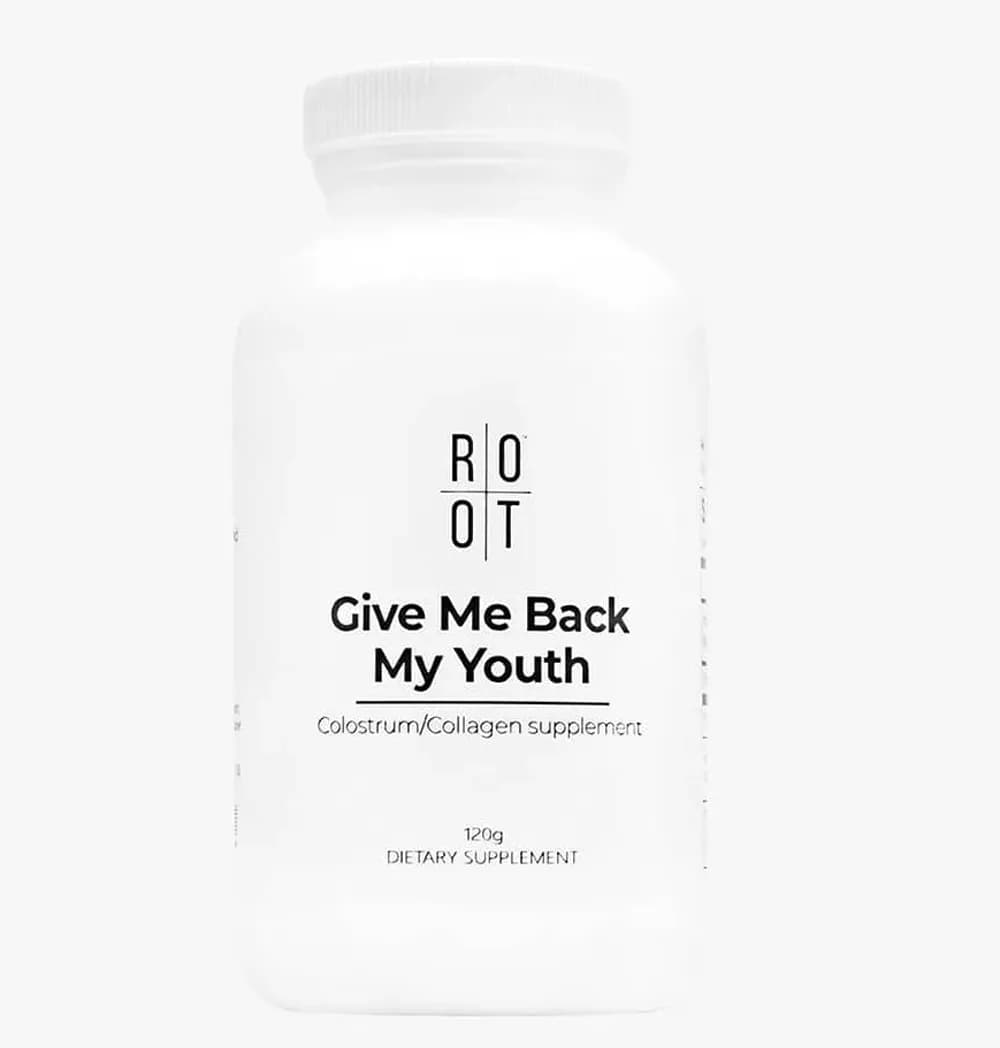
According to its label, Give Me Back My Youth (GMBMY) provides 2 g of hydrolyzed bovine collagen and 2 g of whole colostrum powder in a 4 g serving (about 2 teaspoons). There are no other ingredients, and it contains milk. If you wonder how collagen and colostrum differ, see our comparison.
Conclusion
You do not have to choose between hydrolyzed collagen and collagen peptides, because they are the same thing. What counts is the source, the amount and a transparent label. Keep expectations realistic, eat a balanced diet and see a professional if you have a health concern.
Frequently asked questions
Are hydrolyzed collagen and collagen peptides the same?
Yes. Hydrolyzed collagen, collagen hydrolysate and collagen peptides all describe collagen broken into small fragments by hydrolysis.
How does gelatin differ from hydrolyzed collagen?
Gelatin is collagen partly broken down by heat and it gels when cooled. Hydrolyzed collagen is broken down further, so it dissolves in cold water too.
Is collagen a complete protein?
No. Collagen contains no tryptophan and limited amounts of other essential amino acids, so it does not replace your usual protein sources.
Does hydrolyzed collagen have side effects?
Most people tolerate it well. Some notice nausea, bloating or gas. Allergic people should check the source, and anyone on medication should ask a doctor.
How much hydrolyzed collagen should I take a day?
Studies have commonly used about 2.5 to 15 g a day. Follow the amount on the product label.