Health Benefits of Broccoli: Sulforaphane, Nutrition and Cooking
What is in broccoli, how does sulforaphane form, what does cooking change and what does the research actually say? A no-hype guide.
By Root Health TürkiyePublished Updated 5 min read
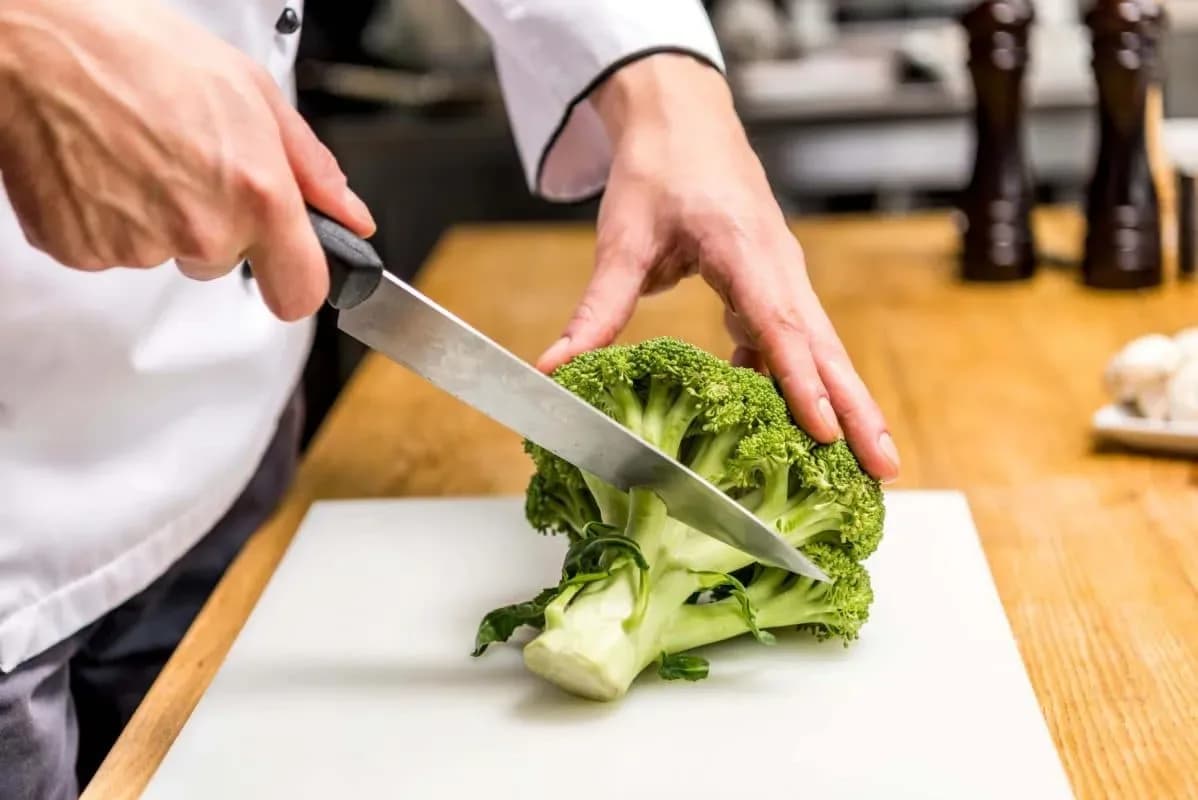
Broccoli is a low-calorie cruciferous vegetable that provides fiber, vitamin C, folate and vitamin K, and it contains glucoraphanin, the precursor of a compound called sulforaphane. Sulforaphane is not sitting ready-made in the vegetable; it forms when broccoli is chopped or chewed. There are solid reasons to put broccoli on the plate, but no vegetable treats disease, and much of the research is observational or limited.
Why does everyone search for broccoli benefits?
Broccoli belongs to the same family (Brassicaceae) as cabbage, cauliflower, kale and Brussels sprouts. Vegetables in this family carry both fiber and sulfur-containing plant compounds called glucosinolates. Broccoli stands out because it is a relatively rich source of one of them, glucoraphanin. This article covers broccoli's nutrition, how sulforaphane forms, what cooking does to it and what the research actually says.
Nutrition: what is on the plate?
- Vitamin C: The US National Institutes of Health Office of Dietary Supplements (NIH ODS) lists broccoli among the sources of vitamin C. A cup of chopped broccoli can cover much of the daily need.
- Vitamin K: Needed for blood clotting and bone metabolism; leafy greens and cruciferous vegetables are good sources.
- Folate (B9): Needed for cell division and especially relevant for people planning a pregnancy.
- Potassium, manganese and other minerals, plus dietary fiber.
Broccoli is low in calories and filling, so it often features in weight-management advice, but it is not a food that produces weight loss on its own.
How does sulforaphane form?
In the plant's cells, glucoraphanin and the enzyme myrosinase are kept in separate compartments. When broccoli is chopped, crushed or well chewed, the two meet and glucoraphanin is converted to sulforaphane. Myrosinase is heat-sensitive; long boiling or high-heat cooking damages the enzyme and reduces the conversion. Some bacteria in the gut can also convert part of the glucoraphanin in cooked vegetables, but this varies from person to person.
How does cooking change the picture?
In a small 2018 human study by Okunade and colleagues, 12 healthy adults ate 200 g of cooked broccoli, once alone and once with 1 g of brown mustard powder. Because mustard powder supplies myrosinase, urinary excretion of a sulforaphane metabolite was more than four times higher with the mustard than with cooked broccoli alone. With so few participants this is an interesting clue, not a rule. The practical takeaway is simple: do not overcook broccoli, eat it raw or lightly steamed, and if you cook it, sprinkle a little mustard powder on top.
What does the research say, and not say?
There are many cell and animal studies on broccoli and sulforaphane, but carrying laboratory findings over to human health outcomes calls for caution. The broader human picture comes from observational work on fruit and vegetable intake. A 2017 meta-analysis by Aune and colleagues, pooling 95 prospective studies, reported that each additional 200 g a day of fruit and vegetables was associated with lower risks of cardiovascular disease and all-cause mortality, and with a much smaller difference in total cancer risk. The analysis is not specific to broccoli and, being observational, does not prove cause and effect. So "broccoli prevents this disease" would be an overreach; "a vegetable-rich diet is part of a healthy pattern" is accurate.
Safety and digestion
- Fiber and sulfur compounds can cause gas and bloating in some people. Increasing the amount gradually helps.
- If you take the blood thinner warfarin, your vitamin K intake needs to stay consistent; talk to your doctor before changing your diet.
- If you have a thyroid or digestive condition, plan your diet with a physician or dietitian.
How to eat it in everyday life
- Use the florets and the stalk; the stalk is rich in fiber.
- Prefer short steaming or a quick stir-fry to boiling.
- Add a raw cruciferous food such as mustard or radish to cooked broccoli.
- Rotate through different crucifers: cauliflower, cabbage, kale. We cover variety in our articles on why your gut microbiome loves variety and on dietary diversity.
Where does broccoli appear in Relive Greens?
According to Root's published ingredient information, Relive Greens contains broccoli alongside kale, spinach, green cabbage, parsley and several fiber sources. A powder like this can help fill gaps in variety during busy weeks, but it does not replicate the water, fiber and structure of whole vegetables and does not replace a plate of broccoli. For a comparison of similar products, see our Relive Greens vs AG1 comparison.
Sources
- Okunade OA et al. (2018), Molecular Nutrition & Food Research: adding mustard powder to cooked broccoli and sulforaphane bioavailability.
- Aune D et al. (2017), International Journal of Epidemiology 46(3):1029-1056: fruit and vegetable intake and the risk of cardiovascular disease, total cancer and all-cause mortality, dose-response meta-analysis.
- US National Institutes of Health, Office of Dietary Supplements: vitamin C fact sheet.
Conclusion
Broccoli is a cheap, versatile vegetable rich in fiber and vitamins. To support sulforaphane formation, chop it, chew it well and avoid overcooking. Keep expectations realistic: broccoli is a strong part of a healthy diet, not a solution on its own.
Frequently asked questions
What are the health benefits of broccoli?
Broccoli is a low-calorie vegetable that provides fiber, vitamin C, folate and vitamin K. A vegetable-rich diet is part of a healthy pattern, but broccoli alone does not prevent or treat disease.
Is broccoli better raw or cooked?
The enzyme that forms sulforaphane, myrosinase, is heat-sensitive, so raw or lightly steamed broccoli suits better. In one small study, adding mustard powder to cooked broccoli raised a sulforaphane metabolite.
What is sulforaphane?
Sulforaphane is a sulfur-containing compound formed from glucoraphanin when broccoli is chopped or chewed. There is plenty of laboratory work, but evidence for human health outcomes is limited.
Is broccoli suitable for everyone?
For most people, yes. Gas and bloating can occur. If you take warfarin, keep vitamin K intake consistent; if you have a health condition, plan your diet with a physician or dietitian.
Does Relive Greens replace broccoli?
No. According to Root's published ingredient information it contains broccoli, but a powder does not replicate the water, fiber and structure of whole vegetables; at most it complements them.