Collagen vs Colostrum: What Is the Difference?
Collagen is a structural protein; colostrum is the first milk after birth. How the two differ, what each is studied for and how to choose between them.
By Root Health TürkiyePublished Updated 3 min read

Collagen is a structural protein, while colostrum is the first milk mammals produce after giving birth. Collagen is part of the building material of skin, bone and connective tissue; colostrum carries bioactive proteins that are studied in relation to immunity and digestion. They are not rivals but two different ingredients people look at for different reasons, so the right one depends on what you are after.
The two ingredients side by side
- Collagen: the body's most abundant structural protein, found in skin, tendons, cartilage and bone. Supplements usually use bovine, marine or porcine collagen, broken down into peptides (hydrolyzed).
- Colostrum: the milk released in the first days after birth, rich in proteins such as immunoglobulins, lactoferrin and growth factors. Supplements are typically bovine colostrum in powder form.
Collagen: the structural side
Collagen production slows with age, which is one reason skin firmness and joint comfort come up so often in conversations about it. Some studies report encouraging signals for skin hydration and elasticity, and others for joint comfort in people who exercise, but results differ between trials and not everyone responds the same way.
When you eat collagen it is digested into amino acids and small peptides, so it is unrealistic to expect it to travel intact to your skin. Think of a supplement as something that sits alongside a balanced diet with enough protein and vitamin C. For more background see our collagen ingredient page.
Colostrum: the immune and digestive side
Because it is made to nourish a newborn, colostrum has drawn scientific attention. Bovine colostrum supplements are popular with athletes and with people interested in gut health. Many of the studies are small, and products and doses differ, so the honest summary is “interesting and still under investigation” rather than settled. Details are on our colostrum ingredient page.
How to decide
A simple framework helps:
- If skin, hair, nails or mobility are your focus, collagen is the more logical starting point.
- If digestion and general resilience interest you, colostrum may be worth a look, but it is not suitable if you have a milk allergy.
- If your diet is a deciding factor, both are animal-derived and unsuitable for vegetarians and vegans.
- If budget and simplicity matter, start with one ingredient and see how you feel.
Why some products combine them
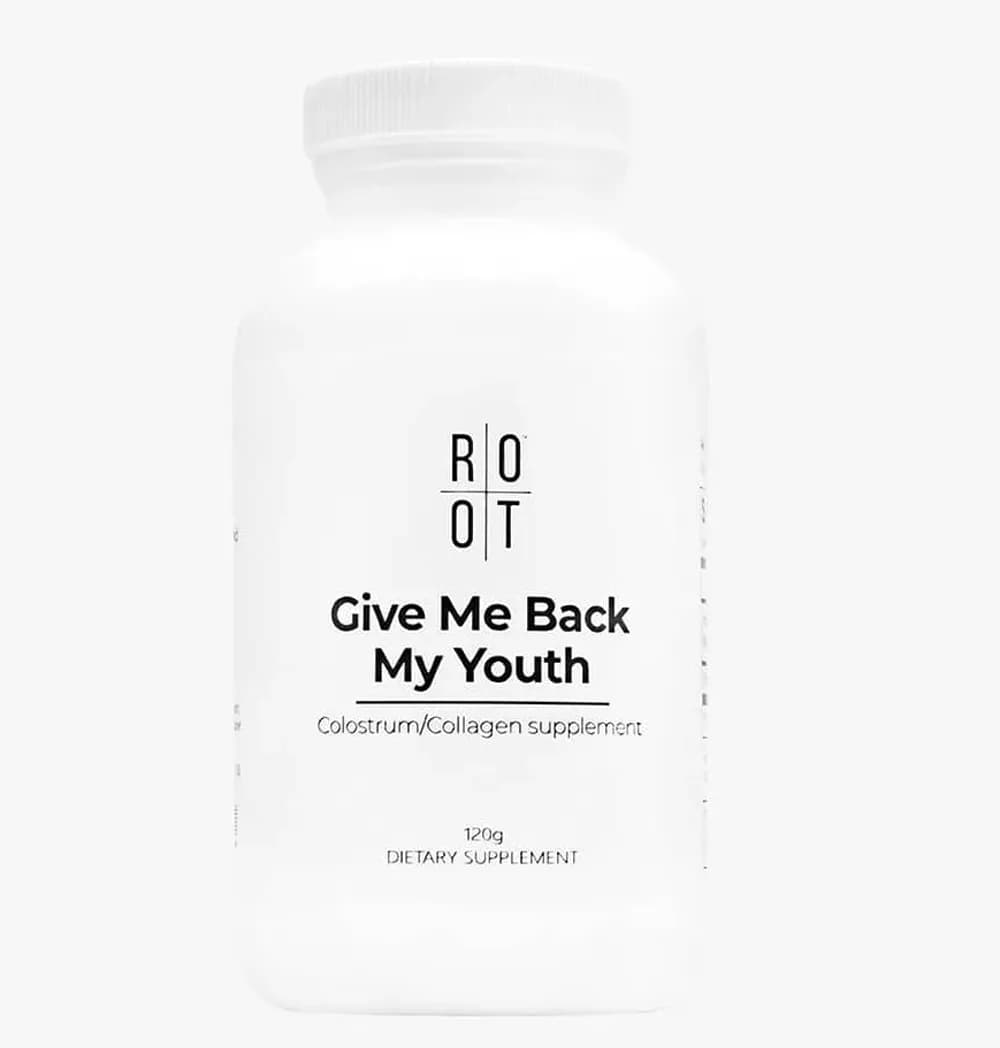
The practical reason is convenience: one scoop, two areas of interest. We would rather give facts than talk about synergy. The label of Give Me Back My Youth (GMBMY) lists 2 g of hydrolyzed bovine collagen and 2 g of whole colostrum powder in a 4 g serving (about 2 teaspoons), with no other ingredients, and it contains milk. That tells you the formula is simple. It does not prove that the two together outperform either alone.
Can you get enough from food?
Bone broth, gelatin, fish skin and cuts of meat contain collagen, but the amount varies hugely from meal to meal. Colostrum is simply not on most tables. For someone who eats a balanced diet, a supplement is a preference, not a necessity. Weigh your needs, budget and health situation first.
Safety notes
- People with a milk allergy should avoid colostrum.
- If you have a fish or shellfish allergy, read marine collagen labels carefully.
- If you are pregnant, nursing, on medication or have a long-term condition, speak to a healthcare professional first.
- Do not exceed the amount recommended on the label.
Where to go next
To compare sources in detail, read about marine collagen versus collagen peptides and what hydrolyzed collagen means. For shopping, our label-reading guide shows what to check.
Frequently asked questions
What is the main difference between collagen and colostrum?
Collagen is a structural protein found in skin, cartilage and bone. Colostrum is the first milk after birth and contains proteins such as immunoglobulins and lactoferrin.
Which one is better?
Neither is simply better. They are looked at for different reasons, so choose according to your goal, diet and health situation.
Can collagen and colostrum be taken together?
Some products combine them. Check the amount of each on the label and talk to a healthcare professional about your own situation.
Who should avoid colostrum?
People with a milk allergy and those following vegan or vegetarian diets. If you are pregnant, nursing or on medication, ask a doctor first.
What is GMBMY?
ROOT's two-ingredient powder: a 4 g serving provides 2 g hydrolyzed bovine collagen and 2 g whole colostrum powder. It contains milk.