How to Choose a Bovine Collagen Supplement: A 2026 Label Guide
The best bovine collagen supplement is hydrolyzed, states grams per serving, keeps its ingredient list short and is clear about allergens. Five label checks.
By Root Health TürkiyePublished Updated 5 min read

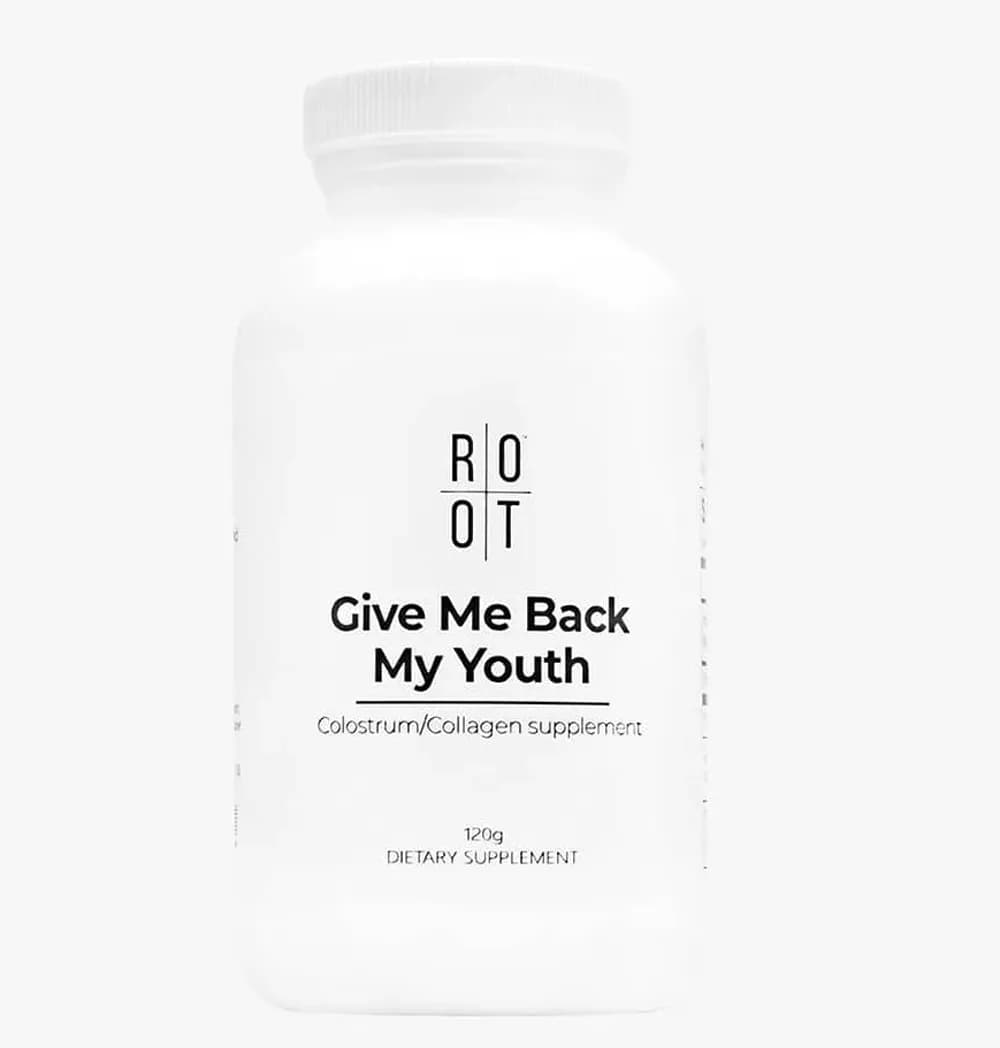
There is no single “best” bovine collagen supplement, but a good one is easy to spot on the label: it is hydrolyzed, states the grams of collagen per serving, keeps its ingredient list short and is open about allergens. This guide gives you a simple checklist for sizing up collagen products in 2026, and uses the two-ingredient Give Me Back My Youth (GMBMY) label as a worked example.
Start with the back of the tub
Front-of-pack claims all sound alike. The Supplement Facts panel is where products actually differ, and five quick questions usually tell you most of what you need:
- Where does the collagen come from? Bovine, marine or a mix. If a label says “multi-source” and gives no split, you cannot know what you are getting.
- Is it hydrolyzed? Hydrolyzed collagen has been broken into small peptides, so it dissolves easily and stirs into drinks without clumping.
- How many grams per serving? Be wary of a “proprietary blend” that lists one total weight and hides the breakdown.
- What else is in the scoop? Vitamins, biotin or hyaluronic acid are not bad in themselves, but they add cost and are not a substitute for knowing the collagen dose.
- Are allergens and dietary notes clear? Milk, fish and egg should be flagged.
Why bovine collagen is so common
Bovine collagen is rich in type I and type III collagen, the two types that dominate skin, tendons and connective tissue, which is why so many brands start there. Collagen protein is high in glycine, proline and hydroxyproline. One thing worth remembering is that collagen contains no tryptophan, so it is not a complete protein. Treat it as an add-on to a balanced diet rather than a replacement for your main protein sources.
If you are weighing fish-derived products, our explainer on marine collagen versus collagen peptides covers the trade-offs, and we explain why “hydrolyzed” and “peptides” are really the same thing in this article.
What does adding colostrum mean?
Colostrum is the first milk a cow produces after calving, and it contains immunoglobulins and growth factors. Some collagen products pair the two for that reason. To be straightforward about it: there is no strong human evidence that colostrum taken by mouth boosts your own collagen production. That idea is mostly theoretical. It is more useful to view colostrum as a separate ingredient and check its stated amount. You can read how the two differ in our collagen versus colostrum comparison, or browse the ingredient pages for collagen and colostrum.
Is a short ingredient list really better?
A short list makes a label easier to verify. You can see at a glance how much collagen you are taking, track allergens and tell your doctor exactly what is in the product. Brevity does not prove quality, though. You still want to know who makes the product and to which standard.
What the GMBMY label says
Based on the information on our product page, the label breaks down like this:
- Format: 120 g powder, 30 servings (one serving is 4 g, about 2 teaspoons).
- Per serving: 2 g hydrolyzed bovine collagen and 2 g whole colostrum powder.
- Other ingredients: none. Allergen note: contains milk.
- Because both ingredients are bovine, it is not suitable for vegetarians, vegans or anyone with a milk allergy.
A fair caveat: 2 g of collagen per serving is lower than the roughly 2.5 to 15 g a day used in various studies. That is why GMBMY is best seen as a simple daily add-on rather than your main protein source. Labels can differ between production runs and regions, so always go by the container you receive.
Fitting collagen powder into your day
Hydrolyzed collagen powder is usually neutral in taste, so it goes into coffee, tea, smoothies, yoghurt or plain water. A few practical tips:
- Take it at the same time each day; consistency matters more than timing.
- Stir well to avoid clumps, especially in hot drinks.
- Keep the tub cool, dry and tightly closed.
- Do not exceed the amount on the label.
How long until you notice anything?
Studies on collagen tend to run for several weeks, and results vary from person to person; some people notice little. It would not be honest to promise a result by a certain week. If you have a skin, joint or digestive concern, talk to a clinician rather than relying on a supplement.
Who should check with a doctor first?
If you are pregnant or nursing, take medication or have a medical condition, speak to a healthcare professional before starting any supplement. People with a milk allergy should avoid colostrum products. We cover collagen and colostrum in the context of pregnancy in a separate article.
The takeaway: reward transparency
The best bovine collagen supplement is the one that fits your diet and budget and shows its working: source, grams per serving and allergens, with facts in front and claims in the back seat. If a plain two-ingredient formula appeals to you, check the current label on the GMBMY product page.
Frequently asked questions
What matters most when choosing a bovine collagen supplement?
That it is hydrolyzed, that the grams of collagen per serving are stated clearly and that the ingredient list is transparent. Avoid labels that hide amounts inside a proprietary blend.
Do I need collagen and colostrum together?
No. Colostrum is a separate ingredient, and there is no strong human evidence that it raises your own collagen production when taken by mouth. In a combined product, check the amount of each on the label.
What is in a serving of GMBMY?
According to the label, one 4 g serving provides 2 g hydrolyzed bovine collagen and 2 g whole colostrum powder. There are no other ingredients, and it contains milk.
How do I take collagen powder?
Stir the labelled amount into water, coffee, tea, a smoothie or yoghurt at the same time each day, and do not exceed the suggested amount.
Who should talk to a doctor first?
Anyone who is pregnant or nursing, takes medication or has a medical condition. People with a milk allergy should avoid colostrum products.