What Is a Nootropic? Do They Really Affect Dopamine and Serotonin?
What is a nootropic and what does it do to dopamine and serotonin? We review the evidence for caffeine, L-theanine, L-tyrosine, mucuna and vitamin D, what really matters, and what is in Zero-In.
By Root Health TürkiyePublished Updated 4 min read
Nootropics do not "raise" the brain's dopamine and serotonin systems. Some touch the raw material of those systems (L-tyrosine, for example) or their signaling balance indirectly, and the effects are usually small and vary from person to person. In a healthy adult, dopamine and serotonin are most reliably supported by sleep, movement, daylight and balanced eating. Supplements do not replace that foundation; at most they sit on top of it.
What is a nootropic?
"Nootropic" is a loose umbrella term for substances and supplements said to support cognitive functions such as attention, memory and mental energy. Food components like caffeine and L-theanine, herbal extracts, vitamins and even prescription drugs can all be mentioned under the same heading. Since the term has no single precise definition, each ingredient has to be judged separately. For a broader introduction, see our article on what brain fog is.
What do dopamine and serotonin do?
Dopamine
Dopamine is involved in motivation, reward anticipation, movement and the direction of attention. Calling it the "pleasure chemical" is a simplification; its core job is to help mark what is worth putting effort into.
Serotonin
Serotonin is linked with mood, sleep, appetite and gut movement. Most of the body's serotonin sits in the gut, while serotonin in the brain works as a separate pool. Precursors such as tryptophan come from the diet.
Neither works on a "more is better" basis. An imbalance in either direction can cause problems, so a claim that an ingredient "increases dopamine" does not automatically mean a benefit.
Commonly mentioned ingredients: what does the evidence say?
Caffeine and L-theanine
Caffeine blocks adenosine receptors and raises alertness; it has also been suggested to affect dopamine signaling indirectly. L-theanine is an amino acid found in tea leaves. Taking the two together has been linked to small favorable changes on attention and mood measures, though the studies are short. See the pages on anhydrous caffeine and L-theanine for detail.
L-tyrosine
Tyrosine is the amino acid from which dopamine and noradrenaline are made. Systematic reviews report that it may support cognitive performance mainly under stress, sleep loss or heavy mental load, and shows no clear effect in rested, relaxed conditions.
Velvet bean (mucuna)
The L-dopa in its seeds can be converted to dopamine. Even so, its effect on mood or focus in healthy people is not settled, and there is a risk of drug interactions. For a detailed assessment, see our article on mucuna pruriens.
Vitamin D
Observational links have been reported between low vitamin D and mood or cognitive function, but there is no solid evidence that supplementation raises dopamine or serotonin in people who are not deficient. Finding out your level with a blood test is more sensible than supplementing by guesswork. The vitamin D3 page has general information on the ingredient.
Turmeric and pine bark extract
Curcumin and pine bark extract have been studied in cell and animal work and a few small human trials; an effect on dopamine or serotonin levels has not been shown consistently in people. Being antioxidants does not by itself mean a cognitive benefit. Related pages: turmeric, pine bark extract.
What really decides the outcome
- Sleep: Sleep loss undermines attention and mood, and no nootropic makes up for it.
- Movement: Regular exercise is among the best-supported habits for dopamine and serotonin signaling.
- Daylight: Morning light supports circadian rhythm and mood.
- Diet: Protein (a source of tyrosine and tryptophan), fish, eggs, legumes and a variety of vegetables supply the raw material.
- Stress management: Chronic stress strains both systems.
Where does Zero-In fit?
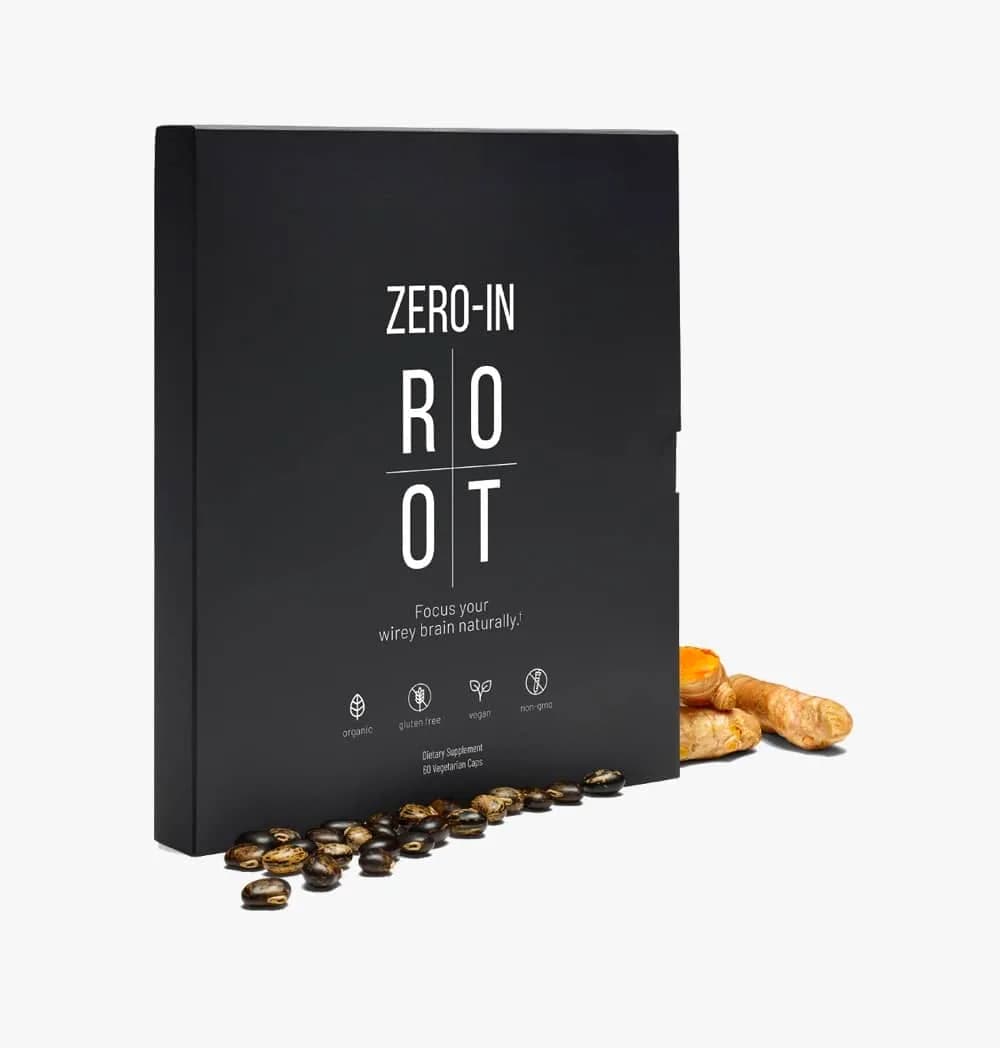
According to its label, Zero-In is a focus supplement in 60 vegetarian capsules. It contains anhydrous caffeine, L-theanine, N-acetyl-L-tyrosine, pine bark extract, turmeric, velvet bean extract and vitamin D3. Combining these aims at an approach that does not rely on a single stimulant, but results are not the same for everyone. If you are sensitive to caffeine, take medication, or are pregnant or nursing, do not start without talking to a doctor. For amounts, see the label on the product page.
How to try one sensibly
- Review your sleep and eating pattern first.
- Try only one new product at a time and watch your response over a few days.
- Do not exceed the amount on the label, and add up caffeine from all sources.
- If you take prescription medicine, have a chronic condition or are pregnant, ask a doctor first.
Our guide on how to choose a high-quality nootropic supplement covers selection criteria, and our article on nootropics for gaming looks at long sessions that demand sustained focus.
Conclusion
Nootropics are not a magic dial for dopamine and serotonin. The best-supported approach is to add ingredients with clear labels and reasonable evidence, in moderation, on top of a strong lifestyle foundation.
Frequently asked questions
What is a nootropic?
It is a broad term for substances and supplements said to support cognitive functions such as attention, memory and mental energy. Food components like caffeine and L-theanine and prescription drugs can both be mentioned under it, so each ingredient should be judged separately.
Do nootropics increase dopamine?
Some ingredients may touch the raw material or signaling of dopamine indirectly, but in healthy people the effects are usually small and vary by person. More dopamine does not automatically mean better focus.
What supports serotonin naturally?
Regular sleep, movement, daylight, enough protein (a source of tryptophan) and stress management are the most reliable foundation. Supplements do not replace them.
What should I check before using a nootropic?
Look at the amounts on the label, your total caffeine and possible drug interactions. If you take medication, are pregnant or nursing, or have a chronic condition, talk to a doctor first.
What does Zero-In contain?
According to its label it contains anhydrous caffeine, L-theanine, N-acetyl-L-tyrosine, pine bark extract, turmeric, velvet bean extract and vitamin D3, in 60 vegetarian capsules. See the label on the product page for amounts.