What Is Mucuna Pruriens? Nootropic Use, Evidence and Safety
Mucuna pruriens benefits are usually linked to its L-dopa content, but the evidence for focus in healthy people is limited. Research, side effects and drug interactions explained.
By Root Health TürkiyePublished Updated 5 min read
Mucuna pruriens (velvet bean) is a tropical legume whose seeds naturally contain L-dopa (levodopa), which is why it turns up in nootropic products. L-dopa is a precursor the brain can convert into dopamine, but that does not mean a proven boost in focus or mood in healthy people. Most of the evidence comes from animal, cell and small human studies, and high doses carry a risk of side effects and drug interactions.
What is mucuna pruriens?
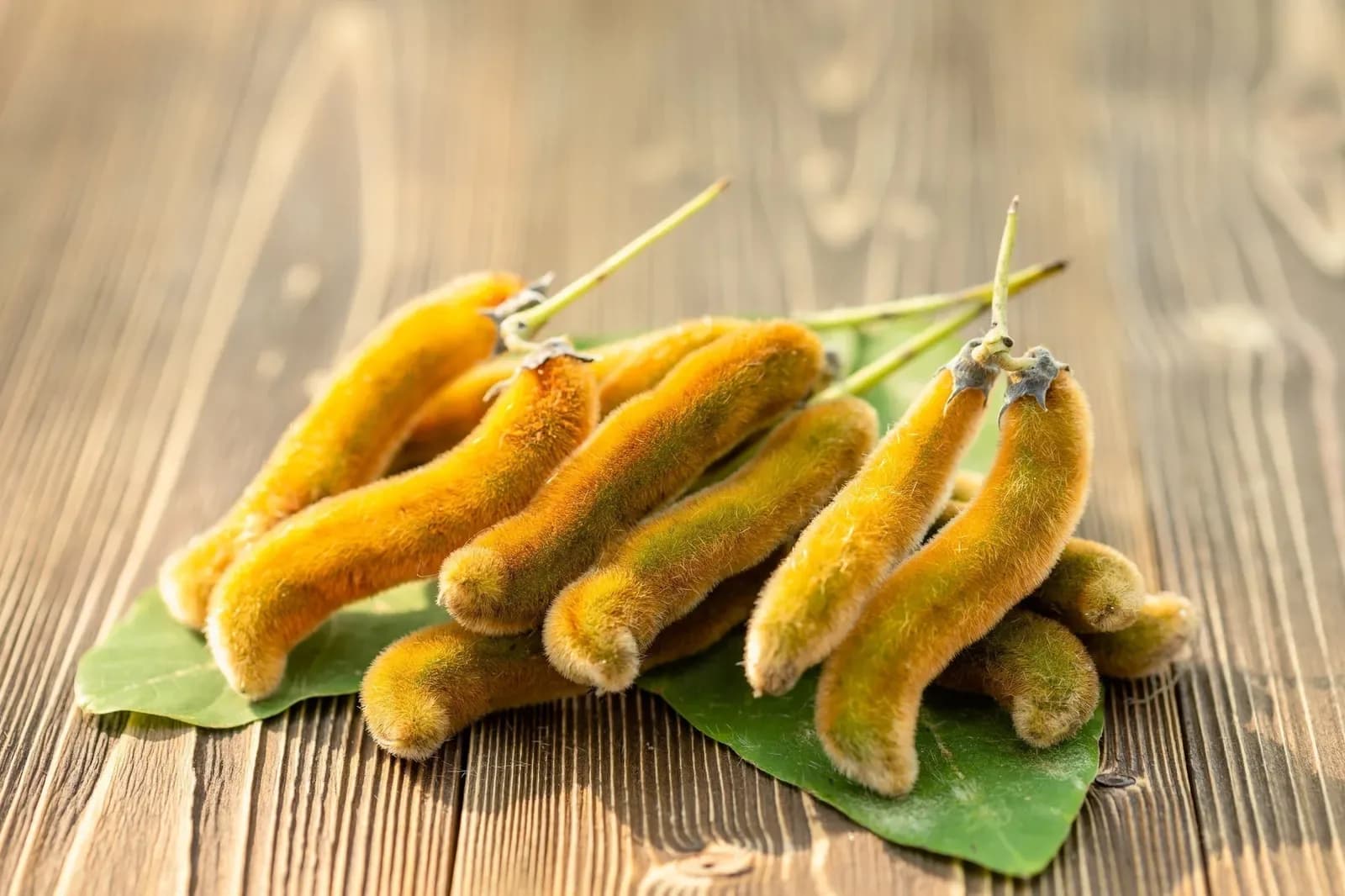
Mucuna pruriens is a climbing plant that grows across India, Africa and tropical Asia. It forms long, hairy pods, and the fine hairs cause intense itching on contact, which gives it the nickname "itch bean" as well as "velvet bean". In traditional Ayurvedic practice it is known as "kapikacchu". Today's supplements usually use a powder or extract made from the dried seed.
As a legume, the seed carries protein, starch and various amino acids. The component that interests the supplement world is the seed's L-dopa, and its content varies noticeably with the source of the plant and how the extract is standardized. Two products that both say "mucuna" therefore do not necessarily deliver the same amount of L-dopa.
The L-dopa and dopamine link: what can and cannot be said
Dopamine is a neurotransmitter involved in motivation, reward and movement control. L-dopa can cross the blood-brain barrier and is converted to dopamine in the brain, which is why prescription levodopa is used in Parkinson's disease. That mechanism does not, however, lead to the conclusion that a daily supplement will give a healthy brain "more focus".
A study in healthy volunteers (Liggins et al., 2012) reported that L-dopa did not raise positive mood. Most studies of mucuna and mood, stress or sleep are small, short or limited to specific groups, and some were run in animal models. So "mucuna raises dopamine, therefore it sharpens the mind" is a claim that goes well beyond the science.
What does the research show?
Mood and stress
In studies of men with fertility problems (Shukla et al., 2010), mucuna use was reported alongside changes in stress markers and semen parameters. These studies had small samples and do not count as evidence for focus in healthy adults. Animal models have shown dopamine-mediated antidepressant-like effects (Rana and Galani, 2014); carrying that over directly to people would be wrong.
Sleep
A small study of a blend that combined mucuna with another herb (McCarthy et al., 2012) reported an improvement in sleep quality. Because the blend had two components, the effect cannot be credited to mucuna alone.
Antioxidant and other findings
Laboratory and animal work has looked at the effect of velvet bean extracts on antioxidant and inflammation markers (for example Han et al., 2022). Such findings are preliminary steps that come before any human benefit is shown. For anyone diagnosed with a condition such as Parkinson's disease, mucuna is not a treatment option; medication and supplement decisions in that situation belong with a physician.
Safety: who should be careful?
- Drug interactions: Because it contains levodopa, it can interact with Parkinson's drugs (carbidopa/levodopa), MAO-inhibitor antidepressants and some blood pressure or diabetes medicines. If you take medication, talk to your doctor first.
- Possible side effects: Nausea, headache, palpitations, insomnia and restlessness have been reported, and they may be more pronounced at high doses.
- Pregnancy and nursing: Avoidance is advised because there is not enough safety data.
- Skin contact: The hairs on the raw pod cause severe itching; this applies to handling the plant itself, not to supplement powder.
- Before surgery: Substances that act on dopamine can interact with anesthesia and medicines, so tell your doctor before a planned procedure.
How to read the label
When choosing a product with mucuna, check which part of the plant is used (the seed), whether it is an extract or a plain powder, whether the L-dopa percentage is standardized, and whether the daily amount is stated clearly. Labels that hide amounts inside a "proprietary blend" make comparison impossible. We cover general selection criteria in our guide on how to choose a high-quality nootropic supplement.
Its place in Zero-In
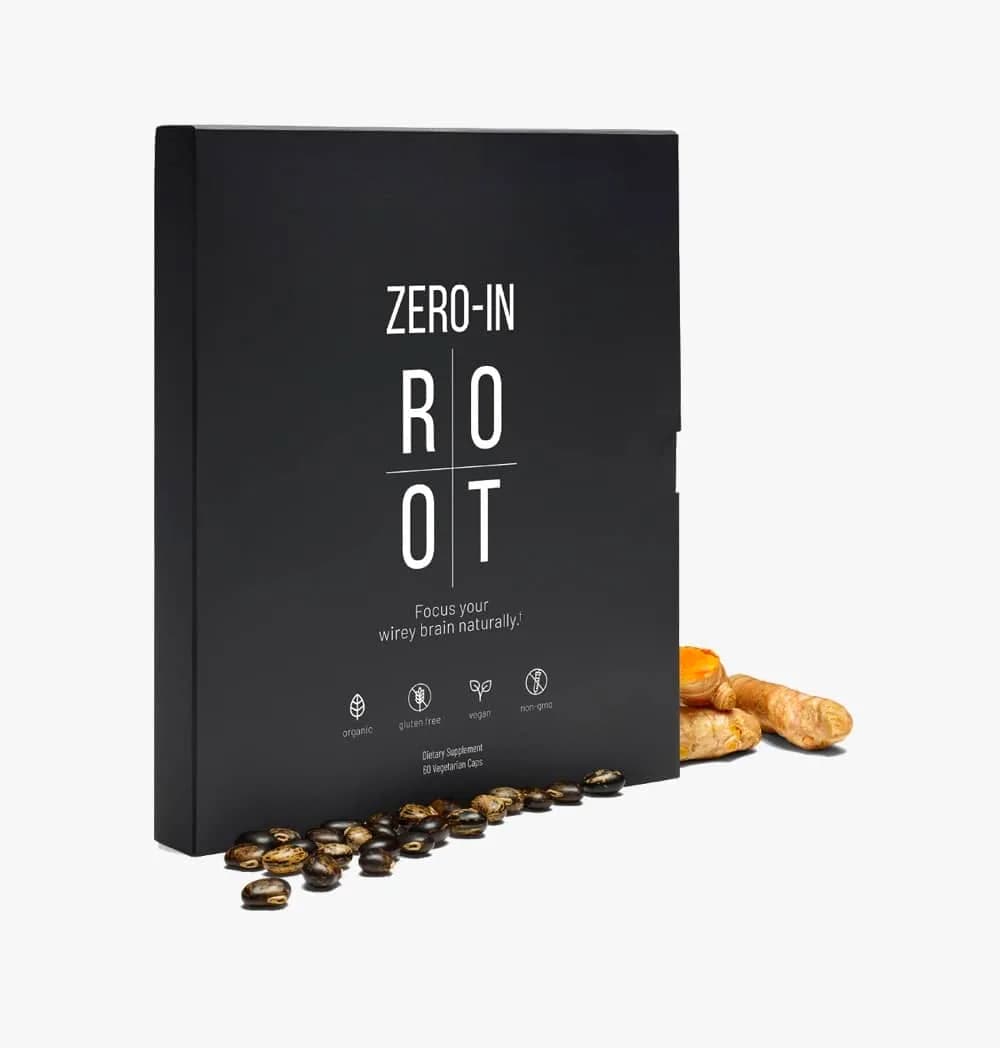
According to its label, Zero-In is a focus supplement in 60 vegetarian capsules. Alongside velvet bean extract, it includes anhydrous caffeine, L-theanine, N-acetyl-L-tyrosine, pine bark extract, turmeric and vitamin D3. For current dose and usage information, rely on the label on the product page; if you are sensitive to caffeine or take medication, speak to a doctor before starting. Our article on mucuna pruriens and women complements this one.
Realistic expectations
Mucuna is an interesting but thinly evidenced ingredient in the nootropic world. Sleep, movement, regular meals and stress management matter too much for any herbal supplement to take their place. For the broader picture of the brain's dopamine system, see do nootropics really affect dopamine and serotonin.
Sources
The sources below were selected from the bibliography in Root's article; they have not been re-verified on this page.
- Liggins J et al. (2012), PLoS ONE 7(1):e28370: L-dopa and positive mood in healthy volunteers.
- Shukla KK et al. (2010), Evidence-Based Complementary and Alternative Medicine 7(1):137-144.
- Rana DG and Galani VJ (2014), Ayu 35(1):90-97.
- McCarthy CG et al. (2012), Integrative Medicine Insights 7:7-14.
- Han DG et al. (2022), Molecules 27(24):8797.
- Lampariello LR et al. (2012), Journal of Traditional and Complementary Medicine 2(4):331-339.
- Pathania R et al. (2020), 3 Biotech 10(6):261.
Conclusion
Mucuna pruriens is intriguing because of its L-dopa content, but the evidence for focus in healthy people is limited and there is a real risk of drug interactions. If you are considering it, read the label carefully and start with a low dose and your doctor's knowledge.
Frequently asked questions
What is mucuna pruriens used for?
Its seeds contain L-dopa, which the brain can convert to dopamine. There is no strong evidence of a clear benefit for focus or mood in healthy people, though; most studies are small, short or done in animals.
Does mucuna pruriens increase dopamine?
L-dopa is the precursor of dopamine, so the mechanism makes sense. Yet some studies in healthy volunteers found that L-dopa did not raise positive mood. Effects vary by person and dose.
Which medicines interact with mucuna pruriens?
It can interact with Parkinson's drugs (carbidopa/levodopa), MAO-inhibitor antidepressants and some blood pressure or diabetes medicines. If you take medication, ask your doctor before starting.
What are the side effects of mucuna pruriens?
Nausea, headache, palpitations, insomnia and restlessness have been reported. Pregnant and nursing women are advised to avoid it because safety data are lacking.
Is there mucuna in Zero-In?
According to the Zero-In label it contains velvet bean (mucuna) extract, alongside anhydrous caffeine, L-theanine, N-acetyl-L-tyrosine, pine bark extract, turmeric and vitamin D3. Check the label on the product page for amounts.