How to Judge Supplement Ingredient Quality: Look Behind the Label
Supplement quality shows in sourcing, testing and manufacturing, not in front-label wording. Questions to ask when reading a label, with a checklist.
By Root Health TürkiyePublished Updated 4 min read
The quality of a supplement is revealed not by the words "premium", "pure" or "natural" on the front label, but by the processes behind it: where the ingredient came from, whether its identity and purity were verified, whether it was tested for contaminants, whether it was made under good manufacturing practices and whether batch-to-batch consistency is checked. This article gathers the questions you can ask when reading a label into one concrete framework.
Two products can list the same ingredient and still differ in quality
Two ingredients with the same name on a label can be very different. The difference lies in what happened before the ingredient reached the finished product: where it was grown or obtained, how it was processed, whether it was purified and which tests it passed. So alongside "what is the ingredient?" you need to ask "to what standard did it arrive?"
"Natural" does not mean "pure"
Plants, minerals, extracts and animal-derived ingredients come from nature, but coming from nature does not mean being free of contaminants. A natural raw material that is not properly processed and tested can carry environmental contaminants, heavy metals or microorganisms. That does not make every product risky; it only shows that you need to look beyond marketing language.
The regulatory frame: what is required in the US?
In the US, supplement makers must follow the current good manufacturing practices (CGMP) in 21 CFR Part 111. These rules set minimum requirements for manufacturing, packaging, labeling and holding; they call for manufacturers to establish specifications for identity, purity, strength and composition for components and finished products and to set limits on contaminants. The FDA also does not approve supplements before they are sold; the responsibility to evaluate a product's safety and labeling lies with the manufacturer, and the FDA can act after a product reaches the market. As a result, a brand's quality claim is not verified by default; it should be open to questioning.
Quality starts long before manufacturing
- Supplier selection: reliable suppliers and documentation.
- Raw material verification: identity (is it really the declared substance?) and purity testing.
- Contaminant screening: heavy metals and microbes where appropriate.
- Manufacturing: written procedures, records and batch records.
- Consistency: checking that amounts match the label across batches.
What does third-party testing do?
Independent organizations such as the US Pharmacopeia (USP) and NSF International evaluate products for identity, amount, purity and manufacturing quality. Such a mark gives assurance that a product contains the ingredients on the label and no harmful levels of contaminants; it does not prove the product is safe or effective. Third-party approval shows quality control, not clinical benefit.
A checklist for label and brand
- Are the source and form of the ingredient stated?
- Is the amount of each ingredient given? (See our piece on why a long ingredient count is not quality.)
- Does the maker clearly mention good manufacturing practices (GMP) and the tests it uses?
- Is a certificate of analysis (COA) or similar test result shared on request?
- Are there a batch number and expiry date?
- Are marketing claims measured, or do they promise to cure disease?
- Are allergens clearly stated?
Transparency builds trust
Consumers are right to ask where ingredients come from, how products are made and which tests are done. It is reasonable to ask any brand, Root included, for the answers; how clear and documentable the answer is becomes the measure of trust. For an example of the ingredient-level quality debate in nootropic supplements, see our article on how to choose a high-quality nootropic supplement.
Example: how to read a collagen and colostrum label
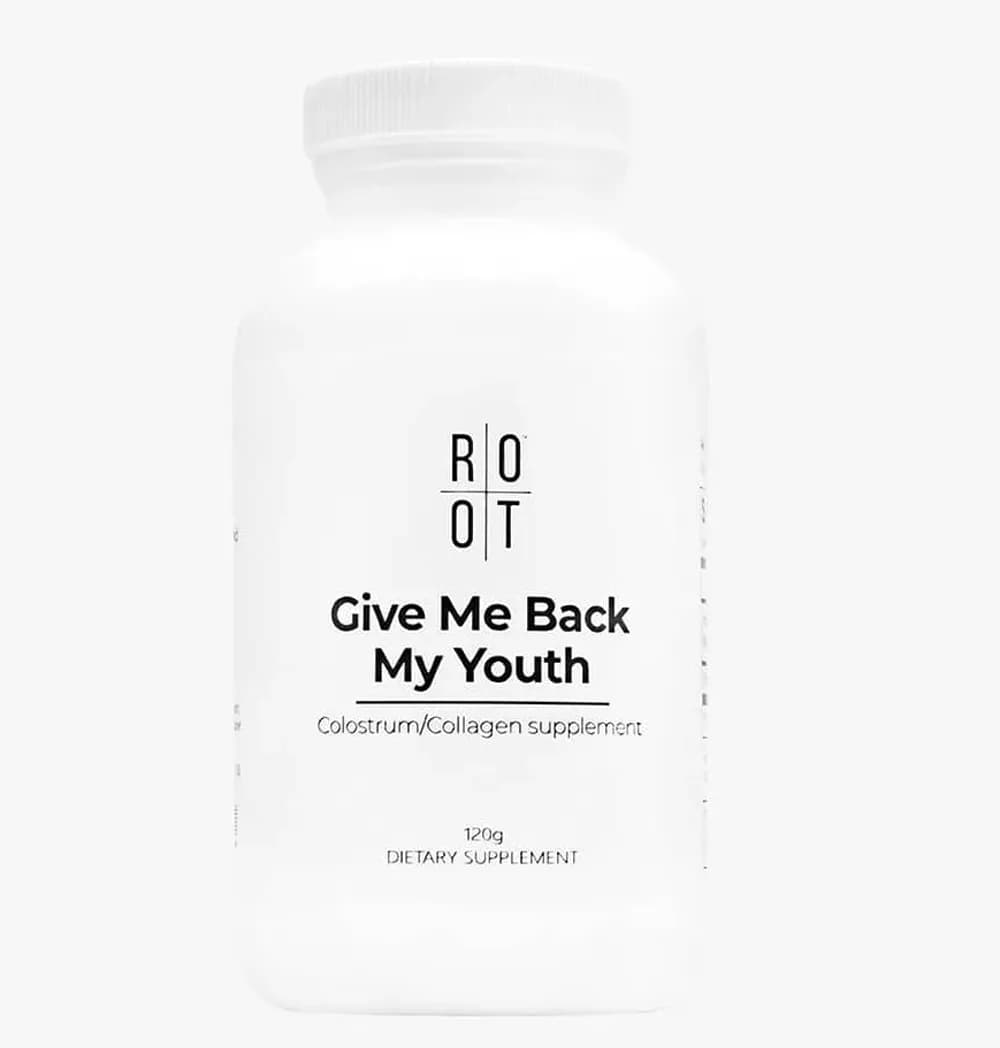
Even for a product with a simple label such as GMBMY the same questions apply: check the label on the product page for the form of the collagen (hydrolyzed or not, which source), how the colostrum is processed, the amount per serving and allergen information. For what hydrolyzed collagen is, see our article on hydrolyzed collagen vs collagen peptides.
Sources
- US Food and Drug Administration (FDA): Current good manufacturing practices (CGMPs) for food and dietary supplements.
- US Food and Drug Administration (FDA): Dietary supplements: guidance documents and regulatory information.
- US Food and Drug Administration (FDA): Dietary Supplements.
- Electronic Code of Federal Regulations (eCFR): 21 CFR Part 111, current good manufacturing practice in manufacturing, packaging, labeling, or holding operations for dietary supplements.
Conclusion
A good supplement is known not by a strong slogan but by documentable sourcing, testing and manufacturing. When you look at a label, ask not only "does this ingredient have potential?" but also "can I trust the process behind it?"
Frequently asked questions
How can you tell whether a supplement is high quality?
There is no single sign. Look at several together: a stated source and form for the ingredient, clearly written amounts, good manufacturing practices, shared test results (COA) and independent third-party verification.
Does third-party testing prove a product works?
No. Marks from organizations such as USP or NSF indicate the product contains the ingredients on the label and no harmful levels of contaminants; they do not prove safety or effectiveness.
Does the FDA approve supplements?
No. The FDA does not approve supplements before sale; safety and labeling are the manufacturer's responsibility. Makers must follow the manufacturing rules in 21 CFR Part 111.
Is a natural ingredient always pure?
No. Natural raw materials that are not properly processed and tested can carry environmental contaminants, heavy metals or microorganisms.
What is a certificate of analysis (COA)?
A document showing test results for a specific batch, such as identity, amount and contaminants. It is reasonable to ask a brand for it.