How to Use Collagen Peptides: A Guide for Training and Weight Management
Take collagen peptides once a day, consistently and at the amount on the label. Before or after training, how much to take, the realistic weight-loss angle and how to choose a product.
By Root Health TürkiyePublished Updated 6 min read
The simplest way to use collagen peptides is to stir one serving into a drink or meal once a day and keep doing it; the time of day matters far less than consistency. If you train, most people add the powder after a session, but before training or at another time of day works just as well. For weight management, collagen is not a fat burner: at best it is a protein source that supports, rather than replaces, your diet and exercise plan.
What this guide covers
The sections below walk through fitting powdered collagen into a daily routine, what is established and what is guesswork when it comes to training and weight goals, and what to check when choosing a product. If you want the background on what collagen is and how hydrolysis works, start with our comparison of hydrolyzed collagen and collagen peptides.
What are collagen peptides and what can they do for training or weight goals?
Collagen peptides are collagen broken into small fragments by enzymes (hydrolyzed). They dissolve easily, are neutral or lightly flavored in most products and mix into hot or cold drinks. The body digests them like any other protein, into amino acids, so drinking the powder does not deliver collagen intact to your skin or joints.
Research relevant to exercise runs along two lines. One is small trials pairing resistance training with about 15 g of collagen peptides a day; in a 12-week study of older men with muscle loss (Zdzieblik et al., British Journal of Nutrition, 2015), the collagen group gained more fat-free mass and strength than the placebo group. The other is work on connective tissue and joint comfort. In both areas the samples are small, the studies short and the results uneven, so "guaranteed results" would be the wrong way to put it.
How much collagen peptide per day?
Studies have used anywhere from 2.5 g to 15 g a day. Muscle- and body-composition trials tend to sit near the top of that range (10-15 g), while skin-focused trials have used lower amounts. Because serving sizes differ between products, the reliable method is to read the "grams of collagen per serving" line on the label.
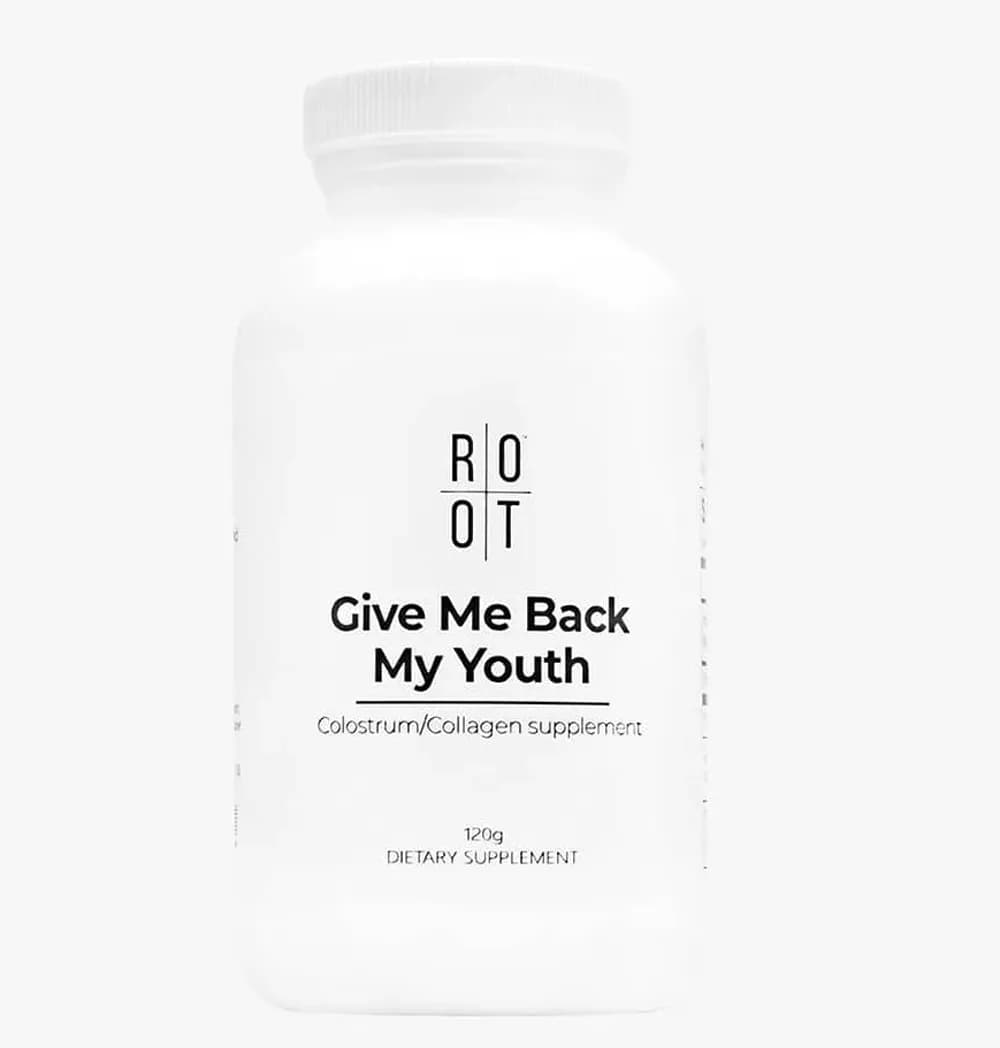
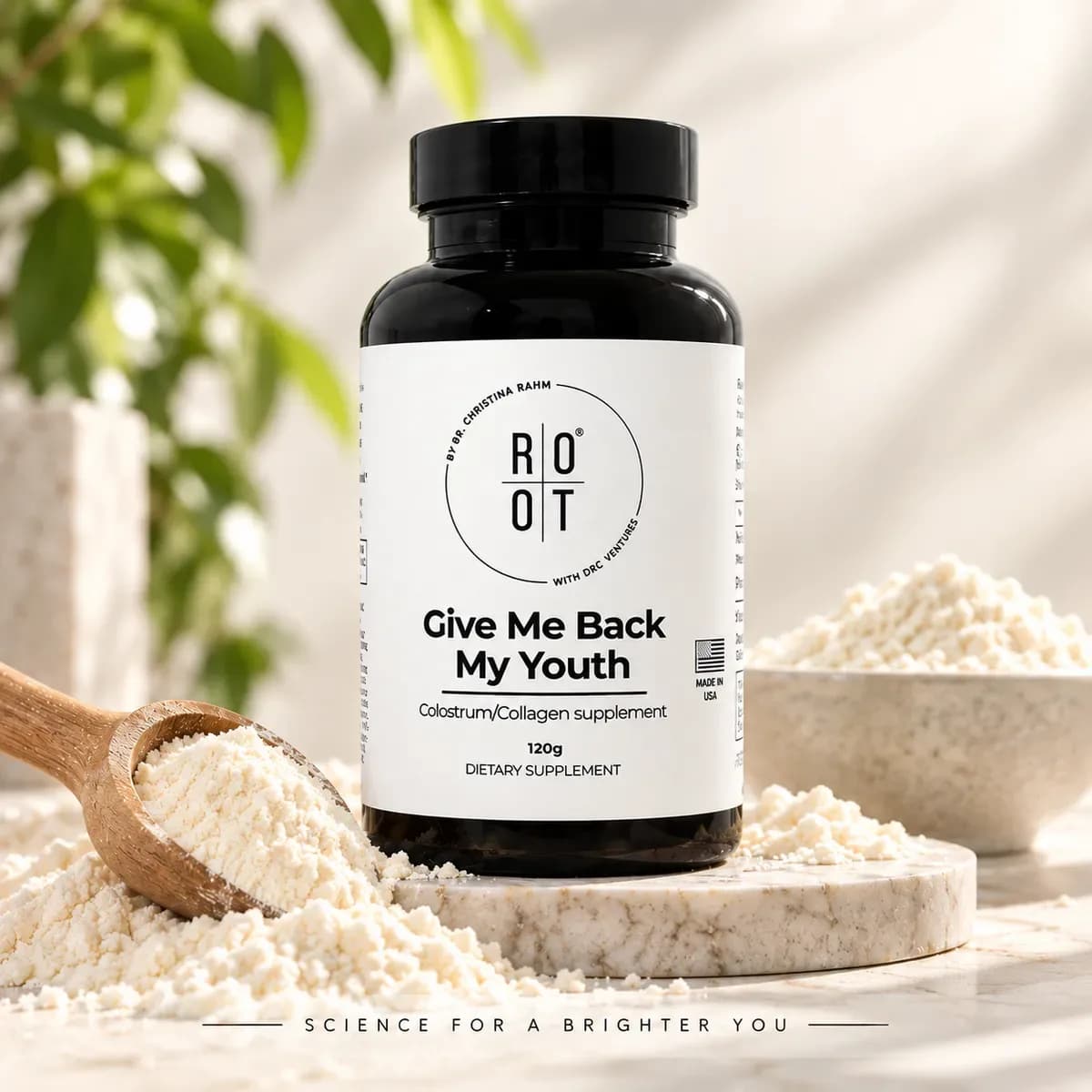
For example, the label of Give Me Back My Youth (GMBMY) lists 2 g of hydrolyzed bovine collagen and 2 g of whole colostrum powder in a 4 g serving. That is below the highest doses seen in trials, so think of it as a daily collagen-and-colostrum supplement rather than a "training-dose" collagen. If you are aiming for a higher gram target, plan the total amount and your other protein sources yourself.
Before or after a workout?
No strong study shows that collagen is absorbed better at a particular hour. The practical advice is to pick the time that fits your day and stick with it.
- After training: a familiar slot in athletic routines; easy to add to a shake or breakfast.
- Before training: some people prefer it; if a large serving feels heavy, split the amount.
- Morning or evening: taking it at the same time on rest days turns it into a habit.
What decides the outcome is weeks of regular use, not the clock.
Does collagen help you lose weight?
On its own, no. Collagen does not target belly fat or speed up your metabolism. It can help indirectly: as a protein source it may add to the feeling of fullness, and combined with strength training it may help preserve lean mass. But that effect is small next to your calorie balance, total protein intake and sleep.
One technical point is worth knowing: collagen contains no tryptophan, so it is not a complete protein by itself. You still need to round out your daily protein with meat, fish, eggs, dairy and legumes. If weight loss is the goal, put powdered collagen next to your meal plan, not in place of it. Our guide to collagen peptides for men takes a similar, measured view.
How to mix collagen into your day
- Coffee or tea: hydrolyzed collagen tolerates heat; stirring with a spoon or using a frother avoids clumps.
- Smoothies and shakes: add it to or swap it for protein powder; if you use both, count the total protein.
- Oats, yogurt, soup: unflavored products do not change the taste; check allergen information if the product contains dairy.
- Water bottle: if you like sipping through the day, make smaller batches and finish them the same day instead of letting them sit.
There is no special rule that collagen requires extra water, but drinking enough fluid matters for training and digestion anyway. Some people feel mild bloating when they start; halving the amount and building up slowly is a sensible response.
What to look for when choosing a product
Supplements are not regulated like medicines, so label transparency matters. Check these points:
- The collagen source (bovine, marine, chicken) and allergen information. For the source question, see marine collagen versus collagen peptides.
- Grams per serving, and what else is in that serving.
- Additives, sweeteners and fillers.
- Independent lab testing or a manufacturing-standard certificate.
Keep our guide to choosing a bovine collagen supplement handy for a fuller checklist. Making your own collagen also depends on enough micronutrients such as vitamin C and zinc; see our pages on vitamin C and zinc.
Who should be careful?
- People with fish, shellfish, dairy or beef allergies; choose the source and allergen label accordingly.
- Vegans and vegetarians: animal-derived collagen is not suitable.
- Anyone who is pregnant, nursing, has a kidney condition or takes regular medication should talk to a doctor first.
A sample weekly routine
A realistic start: for the first two weeks, stir the single label serving into your morning coffee or oats; after week three, decide whether you want a second serving on training days. Use it consistently for four to eight weeks, then note any change in your skin, joint comfort or training recovery. If you notice nothing, revisit the product or the amount, and keep expectations realistic.
Conclusion
Using collagen peptides is not complicated: choose the amount on the label, take it at the same time each day and manage your protein and calories separately. Collagen does not replace training or a balanced diet; it is a small complement to them. If you have a health concern, see a professional rather than relying on a supplement.
Frequently asked questions
How often and how much collagen peptide should I take?
Most people take one serving a day. Studies have used 2.5-15 g daily; the most reliable approach is to plan around the grams of collagen per serving on the product label.
Should I take collagen peptides before or after training?
No strong study shows that one time is better. Pick the time that fits your routine and use it consistently.
Does collagen help with weight loss?
Not on its own. Collagen is not a fat burner; as a protein source it may support fullness and, with strength training, help preserve lean mass, but the effect is small next to calorie balance and overall diet.
Can I mix collagen peptides into hot drinks?
Yes. Hydrolyzed collagen tolerates heat; whisk well when adding it to coffee or tea to avoid clumps.
Is collagen enough as a protein source?
No. Collagen contains no tryptophan and is not a complete protein; round out your daily protein with meat, fish, eggs, dairy and legumes.