Bovine Collagen Peptides and Joint Health: What Does the Evidence Show?
Does collagen really help joint health? We look at the research on bovine collagen peptides and joint comfort, the doses used, their limits and what actually decides joint comfort.
By Root Health TürkiyePublished Updated 5 min read
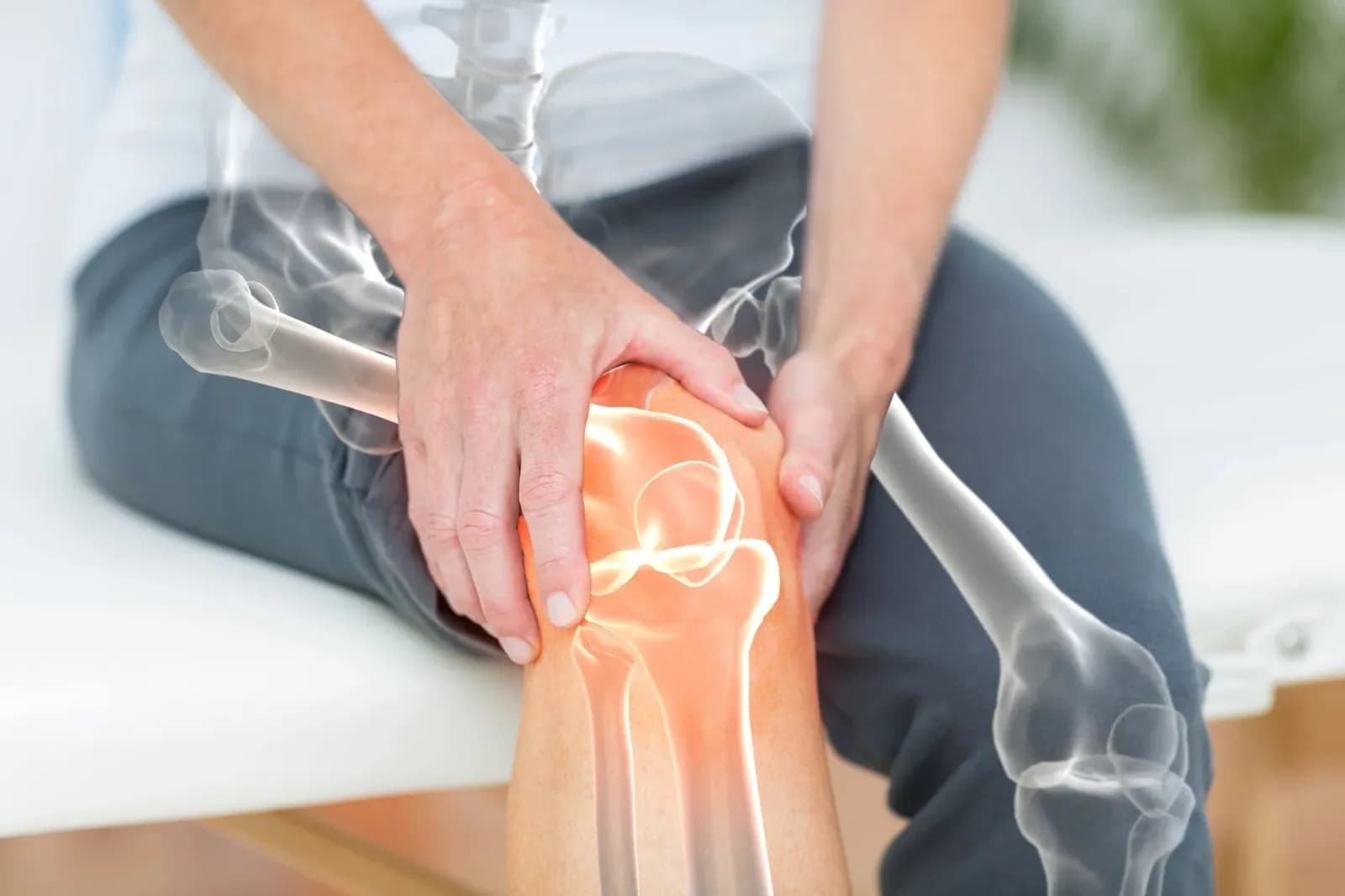
In some studies, bovine collagen peptides have been linked with less discomfort during movement in joints such as the knee, but the effect is usually small to moderate, study quality varies, and a supplement does not replace medical treatment or an examination. In theory, collagen peptides may nudge cartilage cells toward making new collagen, but it is not certain that this turns into a clinical benefit in people in every case.
Why joints matter: cartilage and collagen
Joint surfaces are covered with cartilage made mainly of type II collagen and proteoglycans. Cartilage has no blood supply and a limited capacity to renew itself. With age, overload or old injuries, it can wear down. The World Health Organization has reported that roughly 528 million people worldwide were living with osteoarthritis in 2019, which helps explain why joint comfort is so widely searched.
Roughly a third of the body's protein is collagen, found in skin, bone, tendon and cartilage. Our collagen page covers the topic in general terms.
What are collagen peptides, and what does bovine mean?
Collagen peptides (hydrolyzed collagen) are collagen protein broken into small fragments by enzymes. "Bovine" indicates that the raw material typically comes from cattle hide or bone. The peptides are absorbed through the digestive tract, and some small di- and tripeptides can be detected in the bloodstream. To see how types differ, read our articles on marine collagen vs collagen peptides and hydrolyzed collagen vs collagen peptides.
What does the research show?
Joint discomfort and movement
In a study of athletes (Clark et al., 2008), the group taking hydrolyzed collagen reported a small improvement in activity-related joint discomfort. A meta-analysis of collagen supplements in osteoarthritis (García-Coronado et al., 2019) reported some favorable trends in pain and function measures while stressing that the number and quality of trials were limited. An older review (Bello and Oesser, 2006) also speaks of promising but preliminary results.
Doses and duration
Studies have generally used roughly 5 to 15 g of hydrolyzed collagen a day and followed effects over weeks to months. That calls for regular, patient use; expecting a clear change within a few days is not realistic.
Rheumatoid arthritis and autoimmune joint conditions
The place of collagen supplements in autoimmune joint disease is unclear, and there are mixed findings on how type II collagen interacts with the immune system. If you have such a diagnosis, it is important to consider collagen only with your doctor's knowledge.
What collagen peptides cannot do
- They cannot restore damaged cartilage to its former state.
- They do not identify the cause of joint pain; swelling, redness, night pain or limited movement call for a doctor.
- They do not replace prescribed treatment, physiotherapy or exercise.
What really decides joint comfort
- Movement and strengthening: Regular exercise that strengthens the surrounding muscles is the best-supported way to reduce joint load.
- Weight management: Extra weight increases the load on the knee and hip joints.
- Protein and vitamin C: The body needs enough protein and vitamin C to build collagen.
- Sleep and recovery: Allow time for tissue repair after hard training.
Combining with colostrum
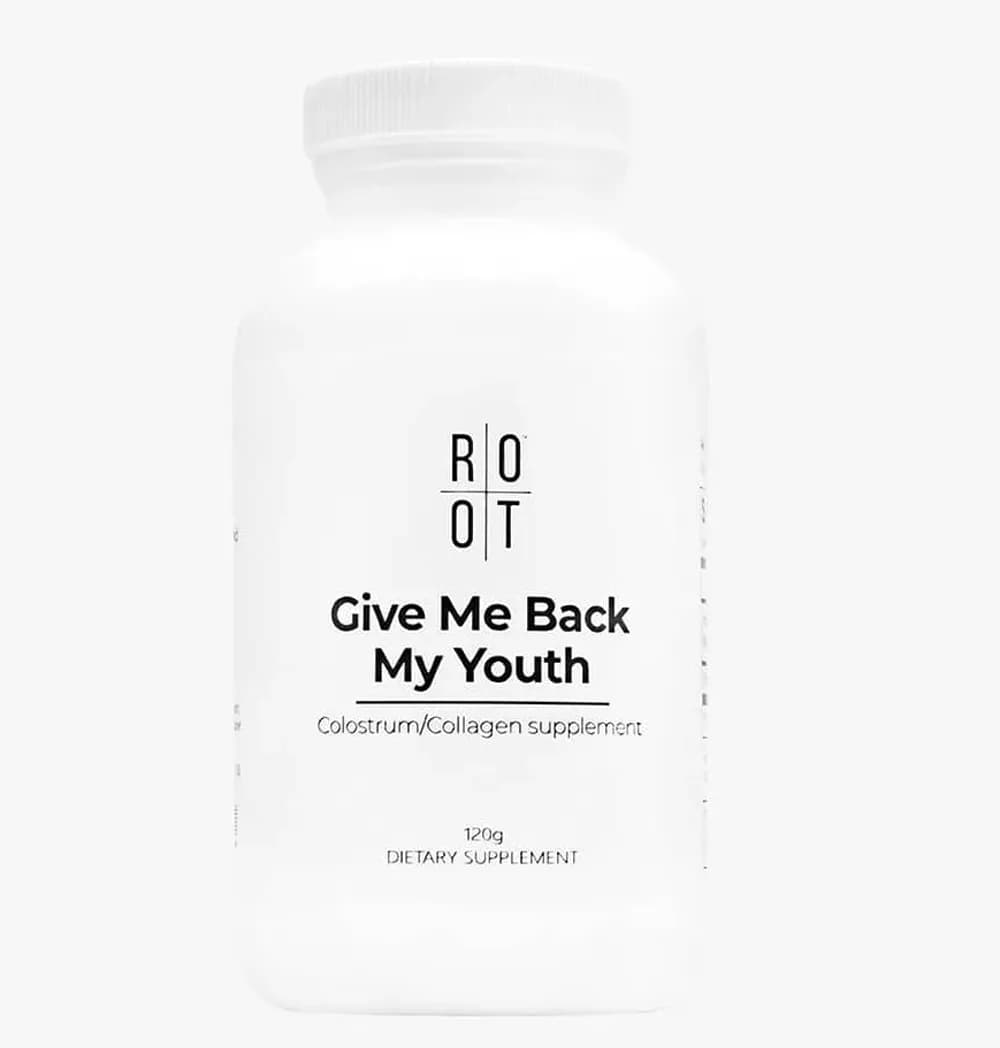
Colostrum is the first milk released after birth and contains immune proteins and growth factors. According to its label, Give Me Back My Youth (GMBMY) combines these two ingredients, colostrum and bovine collagen, in one powder supplement. No study directly shows that this combined formula gives joints an additional benefit; you can read about colostrum on the colostrum page and the difference between the two in our article on collagen and colostrum supplements. For a sports-focused view, see our article on colostrum and collagen for athletes.
Because it contains a dairy ingredient, people with milk allergy or lactose sensitivity should be careful. Talk to a doctor if you are pregnant, nursing, have a chronic condition or take medication. For serving information, rely on the label on the product page.
Practical tips
- Settle the cause of the pain with a doctor first.
- Try collagen regularly for at least 8 to 12 weeks and track change with a pain diary.
- Do not neglect the foundation of exercise, protein and vitamin C.
- Do not exceed the serving on the label.
If you want to combine it with a training program, our article on how to use collagen peptides in a workout program can help.
Sources
- Clark KL et al. (2008), Current Medical Research and Opinion 24(5):1485-1496: collagen hydrolysate and joint discomfort in athletes.
- García-Coronado JM et al. (2019), International Orthopaedics 43(3):531-538: collagen supplementation and osteoarthritis symptoms, meta-analysis of randomized controlled trials.
- Bello AE and Oesser S (2006), Current Medical Research and Opinion 22(11):2221-2232: review of collagen hydrolysate in osteoarthritis and other joint disorders.
- World Health Organization, osteoarthritis fact sheet.
Conclusion
Bovine collagen peptides are a supplement with potential to support joint comfort but limited evidence. Movement, strengthening and a correct diagnosis are the main road; collagen is an option that can be tried alongside them, with realistic expectations.
Frequently asked questions
Does collagen help joint pain?
Some studies reported small to moderate relief of joint discomfort, but study quality varies. Collagen is not a treatment; if pain persists, settle the cause with a doctor.
How long does collagen take to work for joints?
Studies generally ran for weeks to months. Expecting a clear change within a few days is not realistic; at least 8 to 12 weeks of regular use with tracking is suggested.
How much collagen should I take daily?
Studies have generally used roughly 5 to 15 g of hydrolyzed collagen a day. Do not exceed the serving on a product's label, and ask a doctor in special situations.
Can collagen be used in rheumatoid arthritis?
The place of collagen supplements in autoimmune joint disease is unclear and the findings are mixed. If you have such a diagnosis, ask your doctor before using it.
Do collagen and colostrum together add joint benefit?
No study directly shows that the combined formula gives joints an additional benefit. The two ingredients are researched for different reasons; according to its label, GMBMY contains both.