Colostrum and Collagen for Athletes: What the Evidence Says
Do colostrum and collagen really help athletes? We look at the evidence on gut, muscle, joints and recovery, a training-day framework, and how to read the GMBMY label.
By Root Health TürkiyePublished Updated 5 min read
For athletes, colostrum and collagen can be thought of as two separate supports that may help manage training load: research on colostrum centers mostly on gut permeability and upper respiratory symptoms, while collagen studies focus on joint comfort and muscle and connective tissue. The evidence is promising but mixed; no supplement replaces training, sleep, protein and energy intake, and none guarantees a performance gain.
What is bovine colostrum?
Colostrum is the first milk mammals produce after giving birth, and it carries components such as immunoglobulins, lactoferrin and growth factors. Supplements are usually collected from the period when a cow produces more than her calf needs and are then dried. For general information on the ingredient, see our page on colostrum.
What are collagen peptides?
Collagen is a structural protein found in skin, tendon, ligament and cartilage. The hydrolyzed collagen in supplements is that protein broken down into small peptides that dissolve easily in water. It is rich in glycine, proline and hydroxyproline. To see the differences in detail, read hydrolyzed collagen vs collagen peptides; the ingredient page is at collagen.
What does the evidence say for athletes?
Gut and immunity
Long, hard exercise can temporarily raise gut permeability, and upper respiratory symptoms may be more frequent in some athletes. There are studies reporting that colostrum supplements limit the exercise-induced rise in gut permeability (for example Marchbank et al., 2011) and reviews of upper respiratory symptoms (Jones et al., 2016). Results vary with the participants, duration and dose; they should not be read as a promise of protection from illness.
Muscle and recovery
The claim that colostrum directly increases muscle growth rests on weak evidence. For collagen peptides, there are studies linking them, combined with resistance training, to favorable changes in muscle mass and strength, especially in older men (Zdzieblik et al., 2015). Collagen is an incomplete protein (it lacks tryptophan), so it belongs alongside complete protein sources for muscle protein synthesis, not in place of them.
Joints and connective tissue
In studies of collagen supplements and joint comfort (for example Clark et al., 2008), small improvements in activity-related joint discomfort were reported in athletes. Another study found that gelatin or collagen taken with vitamin C before exercise raised markers of collagen synthesis (Shaw et al., 2017). These findings matter, but they are small and preliminary. For a closer look at joints, see our article on collagen peptides and joint health.
Endurance and hydration
There is no strong, consistent evidence for claims that colostrum improves endurance performance or fat use. Likewise, there is no solid data showing that collagen meaningfully changes hydration; for fluid and electrolyte balance, water, salt and adequate energy matter more.
A practical framework for training days
- Foundation: Enough energy, enough protein per kilo of body weight, carbohydrate, fluids and sleep.
- Collagen: If your goal is joints and connective tissue, taking it about an hour before training with a source of vitamin C is one of the approaches used in studies. For usage details, see how to use collagen peptides in a workout program.
- Colostrum: Studies usually looked at regular use over weeks; expecting a one-off effect is not realistic.
- Athlete responsibility: If you compete, checking a product for anti-doping purposes is your responsibility; some bodies treat colostrum separately because it contains growth factors. Check your organization's current rules.
Why colostrum and collagen together?
The two ingredients speak to different tissues: one is studied around gut and immune signals, the other around connective tissue. Combining them in one product therefore offers a practical routine, but no study shows that the combined formula beats the individual components. Our article on collagen and colostrum supplements explains how the two differ.
GMBMY and reading the label
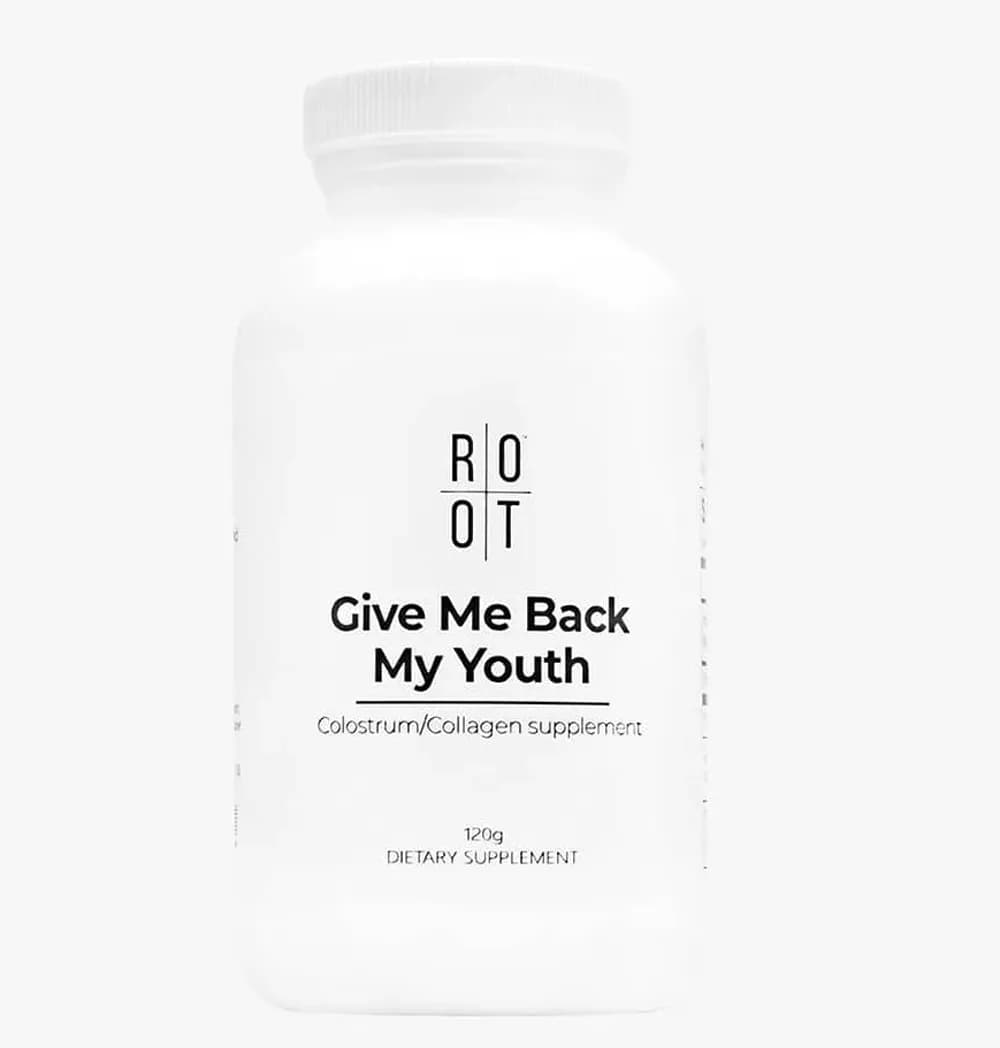
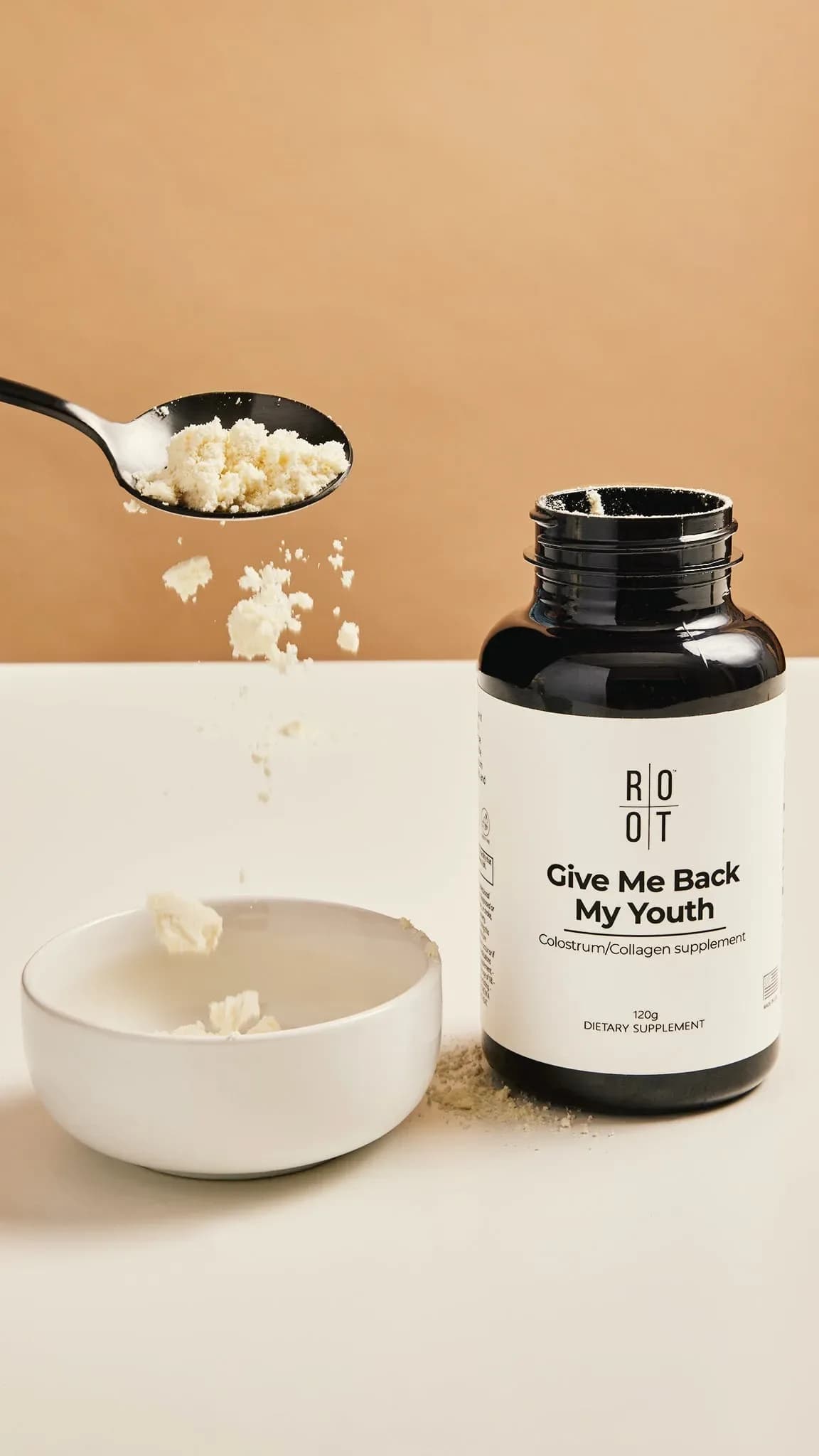
According to its label, Give Me Back My Youth (GMBMY) is a 120 g powder supplement that combines colostrum and bovine collagen. For serving, ingredient and allergen information, rely on the label on the product page. Because it contains a dairy ingredient, people with milk allergy or lactose sensitivity should be careful. If you are pregnant, nursing, have a chronic condition or take medication, talk to a doctor.
Common mistakes
- Using a supplement in place of enough protein and sleep.
- Expecting miracles quickly and quitting within weeks.
- Going by marketing claims rather than the amounts on the label.
- Brushing off joint pain with a supplement; pain that persists or worsens needs a doctor.
Conclusion
Colostrum and collagen are two supplements with sensible, separate rationales for athletes, but the evidence is limited and variable. Solidify your training, nutrition and sleep first, then try a product with a clear label and realistic expectations.
Sources
- Marchbank T et al. (2011), American Journal of Physiology - Gastrointestinal and Liver Physiology: bovine colostrum and exercise-induced gut permeability.
- Jones AW et al. (2016), BMC Sports Science, Medicine and Rehabilitation: bovine colostrum and upper respiratory symptoms during exercise, systematic review and meta-analysis.
- Zdzieblik D et al. (2015), British Journal of Nutrition 114(8):1237-1245: collagen peptides with resistance training.
- Clark KL et al. (2008), Current Medical Research and Opinion 24(5):1485-1496: collagen hydrolysate and joint discomfort in athletes.
- Shaw G et al. (2017), American Journal of Clinical Nutrition 105(1):136-143: vitamin C-enriched gelatin and collagen synthesis.
Frequently asked questions
Should athletes take colostrum and collagen?
It is not essential. There are promising but limited studies on gut permeability and respiratory symptoms for colostrum, and on joint comfort and connective tissue for collagen. Nutrition, protein, sleep and training come first.
Does collagen build muscle?
Collagen is an incomplete protein (it lacks tryptophan). One study found favorable changes in muscle mass and strength when combined with resistance training, especially in older men, but it does not replace complete protein sources.
Should collagen be taken before or after training?
Some studies aimed at connective tissue gave it about an hour before training with a source of vitamin C. There is no firm rule; regular use matters more than timing.
Is colostrum a problem for anti-doping?
Colostrum contains growth factors, so some bodies assess it separately. If you compete, checking the product against your organization's current rules is your responsibility.
What does GMBMY contain?
According to its label it is a 120 g powder supplement combining colostrum and bovine collagen. See the label on the product page for serving and allergen information; it contains a dairy ingredient.